

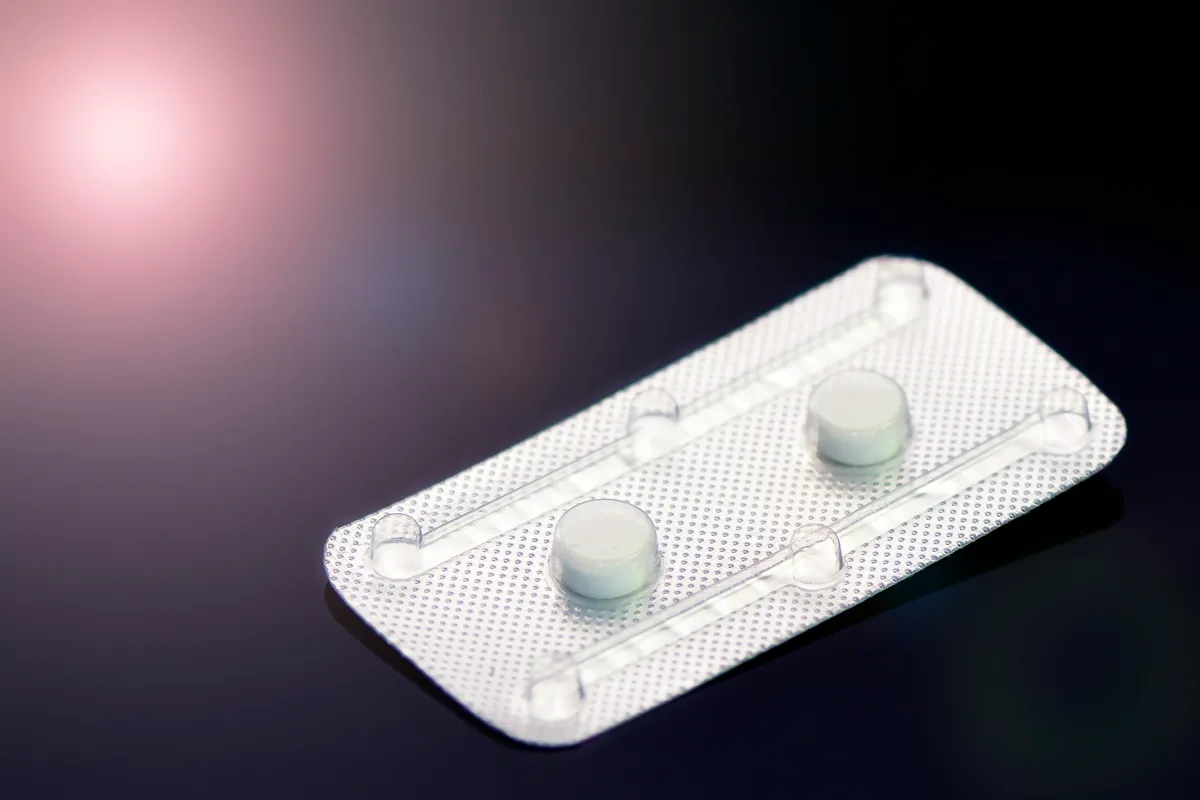
Walk into nearly any pharmacy in England now and you can get emergency contraception without an appointment, without explaining yourself, without paying. The NHS rolled out free access to the morning-after pill this week—a shift that sounds simple until you realize how much friction it removes from a moment when time matters.
For years, access depended on where you lived. In some areas, pharmacies charged up to £30. In others, you had to navigate a clinic system or explain your situation to your GP. Four in five people in England live within a 20-minute walk of a pharmacy. The NHS is betting that proximity plus zero cost plus no questions equals actual access.
"This expansion is one of the biggest changes to sexual health services since the 1960s," said Dr. Sue Mann, NHS national clinical director for women's health. The language matters—not because it's hyperbole, but because it reflects what's actually shifting. For decades, emergency contraception sat behind barriers that had nothing to do with safety or medicine. They were administrative, financial, geographic. Now they're gone.
We're a new kind of news feed.
Regular news is designed to drain you. We're a non-profit built to restore you. Every story we publish is scored for impact, progress, and hope.
Start Your News DetoxRemoving the Friction
The pharmacy expansion doesn't exist in isolation. It's part of a broader NHS strategy to move routine care out of stretched clinics and into communities. People can now also get medication advice and lifestyle support for newly prescribed antidepressants directly from their pharmacist. The pattern is clear: trust pharmacists more, reduce appointment bottlenecks, meet people where they already are.
Henry Gregg, chief executive of the National Pharmacy Association, called the rollout "long overdue." But he also flagged something real: pharmacies are closing in record numbers. They're under pressure. Free services only work if the places providing them don't collapse. "It's really important that pharmacies are sustainably funded," he said, which is code for: this win only sticks if the system behind it gets the resources it needs.
Stephen Kinnock, minister for care, framed it as removing "barriers of access to reproductive care that have let women down for too long." That language—"let women down"—acknowledges that this wasn't inevitable. It was a choice. For a long time, the choice was to make emergency contraception harder to get than it needed to be.
England is now among a small group of countries where emergency contraception is universally free through pharmacies. Advocates are watching to see if Scotland, Wales, and Northern Ireland follow. Whether the model spreads probably depends on whether the funding holds and whether the pharmacies themselves survive to deliver it.





