When money gets tight in biotech, it gets really tight. Over the past few years, early-stage companies have watched funding rounds stretch out, valuations shrink, and investor interest narrow to only the most proven teams. But one incubator at UC Berkeley just hit a milestone that suggests some founders are still finding backing — even now.
Bakar Labs, which has incubated more than 50 biotech companies since 2022, announced that its portfolio companies have collectively raised over $1 billion. The last piece fell into place late last year when Addition Therapeutics closed a $100 million Series A round. Hitting a billion during a market reset is the kind of number that makes people pay attention.
That's not just money on paper. These companies have created over 500 jobs across California and are working on the kind of science that takes years and serious capital to validate — early-stage drugs and diagnostics that need to move from lab discovery through clinical trials. In a constrained market, each funding round now comes with scrutiny. Investors want to see concrete milestones, solid data, and a realistic path to the clinic.
We're a new kind of news feed.
Regular news is designed to drain you. We're a non-profit built to restore you. Every story we publish is scored for impact, progress, and hope.
Start Your News DetoxWhy This Ecosystem Works
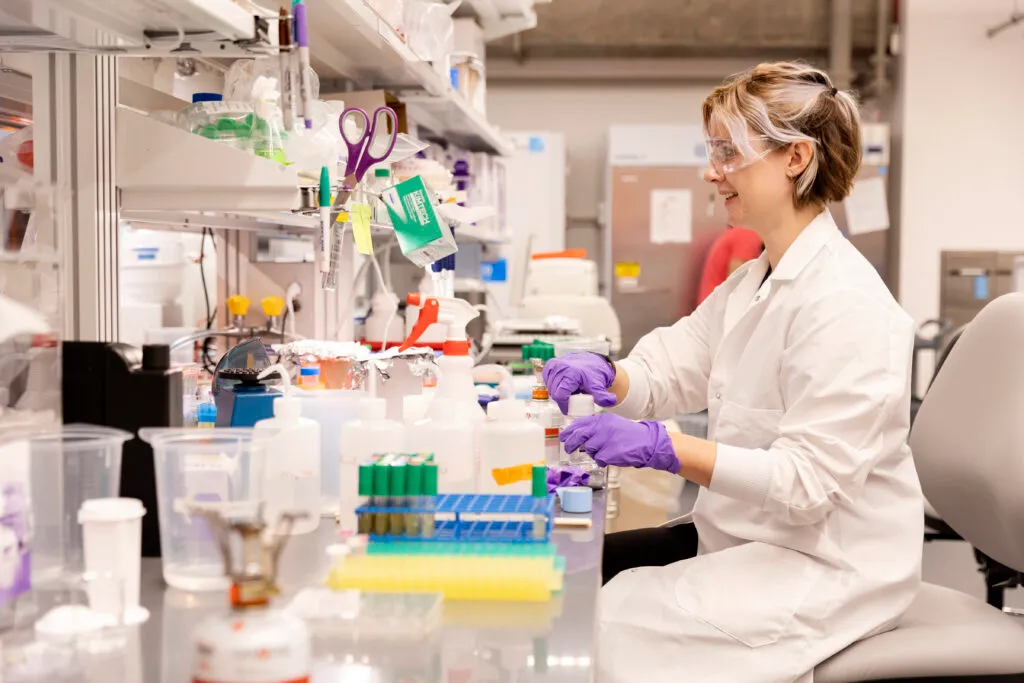
Part of what's happening here is structural. Building a biotech company from scratch is expensive before you even talk to investors. Lab space, equipment, specialized talent — it adds up fast. Bakar Labs lets founders share those costs and plug into UC Berkeley's broader innovation network. That means less capital burned on infrastructure and more runway for actual science.
But there's also an investor advantage. The lab sits within a dense ecosystem — Berkeley SkyDeck, the Life Sciences Entrepreneurship Center, CITRIS Foundry, campus-affiliated venture funds. Founders get connected to investors who actually understand that drug development takes a decade and regulatory approval is unpredictable. In a selective market, that kind of informed capital makes the difference between a company that survives the next downturn and one that doesn't.
The $1 billion total doesn't mean biotech's structural challenges have disappeared. Drug development is still capital-intensive. The sector still moves with broader economic cycles. What it does show is that companies built within this model have kept attracting investor conviction through a period defined by caution — which, in this environment, is its own kind of progress.
Bakar Labs is already planning to expand with new biotech sites and a dedicated incubator for energy and materials technologies. The demand from founders is still there. So is the capital, for teams that can show they know what they're doing.