

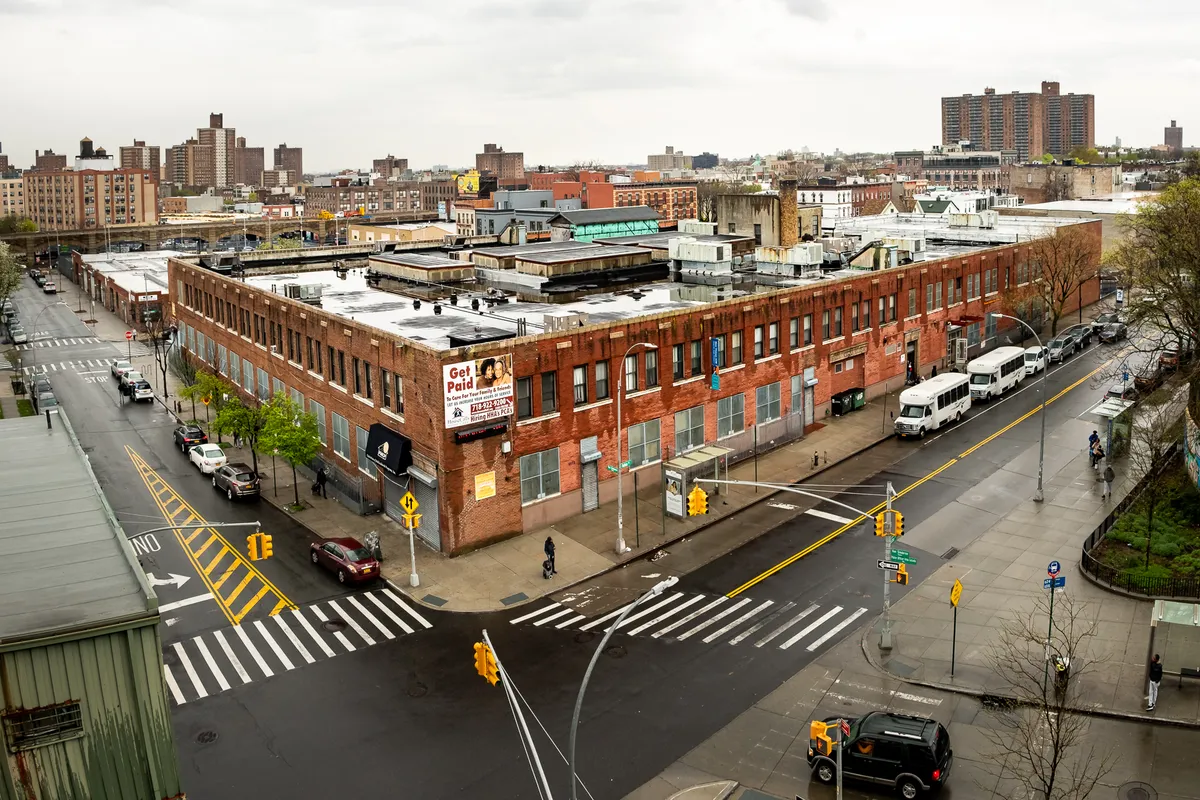
A major transit hub in Brooklyn is about to transform. The question is whether the people who've built their lives there will still be able to afford to live through it.
Broadway Junction sits where three neighborhoods meet—Bushwick, Ocean Hill-Brownsville, and East New York. For years, it's been overlooked. Now, nearly $1 billion in public and private investment is headed its way. The city is pouring $500 million into the station itself: fixing accessibility, building new plazas, improving streets. The MTA is adding $2.75 billion for the Interborough Express, a new light rail line running through the area. Private developers are building housing, office space, retail. On paper, it looks like exactly what the neighborhood needs.
But history matters here. Every time a neglected area gets this kind of attention, the same pattern repeats: property values rise, rents climb, longtime residents get pushed out. The people who weathered decades of disinvestment are priced out just as things improve. It's happened in neighborhoods across New York. It's happening now in East Brooklyn.
We're a new kind of news feed.
Regular news is designed to drain you. We're a non-profit built to restore you. Every story we publish is scored for impact, progress, and hope.
Start Your News DetoxWhat's actually at stake
The Broadway Junction area is predominantly Black, Latino, and South Asian—communities that have stayed through the lean years. Many own small homes or rent apartments they can manage. When property values spike, property taxes follow. Landlords see an opportunity to cash out. Developers circle. Tenants face rent increases they can't absorb or aggressive buyout tactics meant to clear the way for new tenants willing to pay more.
The city has tools to prevent this. They've used them before. Programs like Partners in Preservation and the Homeowner Helpdesk have provided counseling and tenant organizing support since the 2016 East New York rezoning. Senior and disabled renters get rent increase exemptions. Community land trusts—nonprofits that buy properties and hold them at affordable prices permanently—have proven they can anchor neighborhoods.
But these programs are underfunded and limited. They're not scaled to match the wave of capital heading to Broadway Junction.
What could actually work: the city could expand rent relief to all renters in the area who face increases, not just seniors and people with disabilities. It could offer property tax reductions to homeowners in small buildings so they're not forced to sell. It could dramatically increase funding for community land trusts to buy properties at scale before investors do. The city could even buy properties itself and transfer them to CLTs, ensuring permanent affordability.
None of this is anti-development. The neighborhood needs investment. It needs better transit, jobs, new housing. The question is whether that development serves the people already there or replaces them. The choice belongs to the city and state. They can either fund real protections now, or watch the same displacement play out again—just with better infrastructure.





