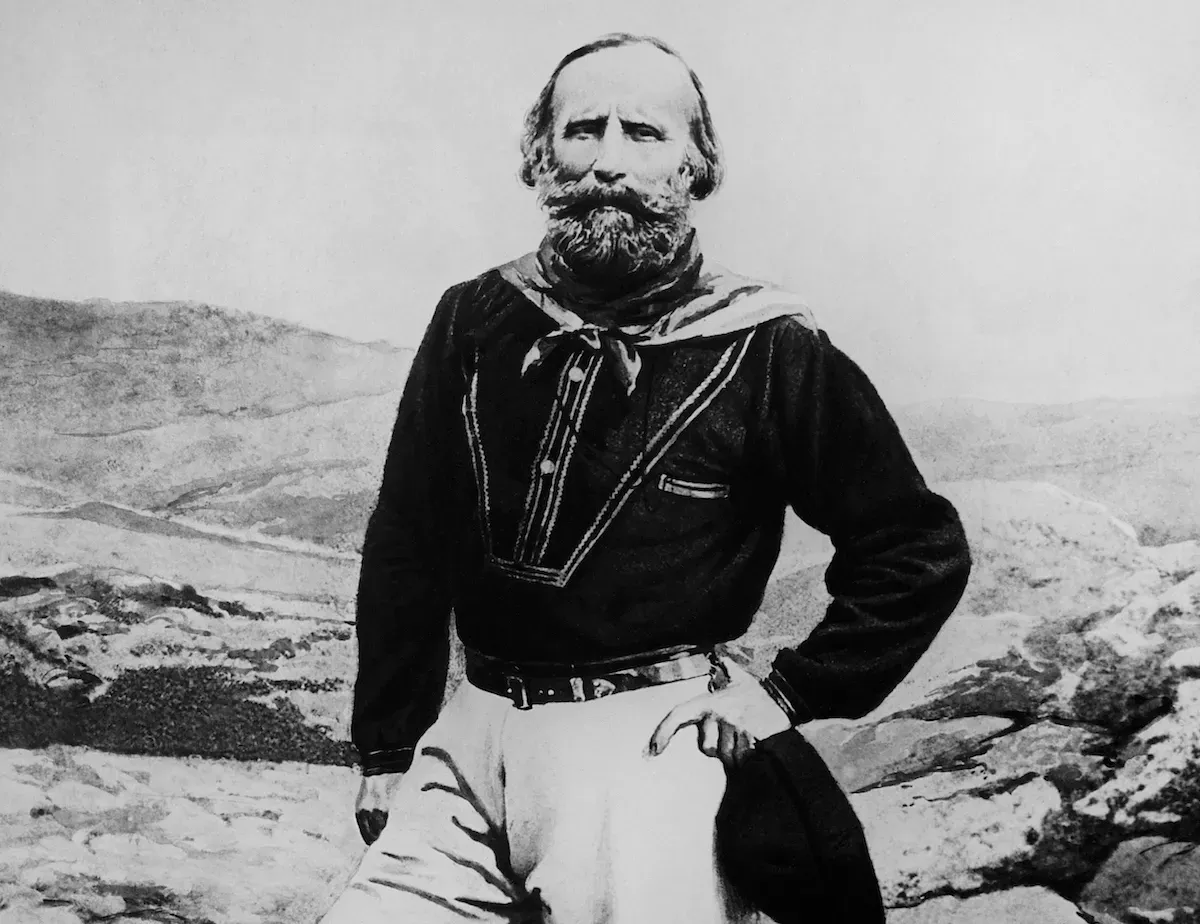
Two decades after vanishing from a Roman palace, a bronze shield once carried by Giuseppe Garibaldi is back on public display. The ornate piece of armor disappeared from the Palazzo Venezia in the early 2000s, only to resurface in 2019 in an unexpected place: a barber's home in Rome. Its recovery matters partly because of what it represents — a tangible connection to Italy's unification history — but also because someone decided it was worth finding.
"Our history needs to be kept alive for future generations," said Francesco Garibaldi, the general's great-great-grandson. That impulse — to preserve and pass forward — echoes across a very different context right now.
Art as Witness
Palestinian artists are speaking publicly about how they've survived two years of war, using creative expression as both a way to process what they've lived through and to ensure their experience gets documented. The New York Times captured these accounts, and what emerges is a portrait of people for whom making art hasn't been a luxury but a necessity — a way to maintain some sense of agency and meaning when so much feels out of control.
We're a new kind of news feed.
Regular news is designed to drain you. We're a non-profit built to restore you. Every story we publish is scored for impact, progress, and hope.
Start Your News DetoxIt's a reminder that art often functions as witness. When official records fall short or when mainstream coverage narrows, artists create the archive. They make the invisible visible. They refuse to let a moment disappear into abstraction.
Museums Learning, Then Growing
Meanwhile, in China, something quieter but significant is unfolding. The Economist reports on the country's second museum boom — and this time, it's different. The first wave of museum building, roughly a decade ago, left many facilities nearly empty, ambitious in scale but struggling to fill seats or justify their existence.
This second expansion is seeing a "giant increase in visitors and a big leap in exhibition quality, especially of ancient splendours." The difference isn't just more buildings. It's that Chinese institutions learned from what didn't work the first time. They're now designing spaces people actually want to visit, curating exhibitions that draw crowds, and treating museums less as monuments to ambition and more as living places where people engage with history.
Three separate stories, but they share something: the insistence that what we create and preserve matters. That history — whether it's a shield, a testimony, or a carefully curated gallery — isn't just artifact. It's conversation with the future.