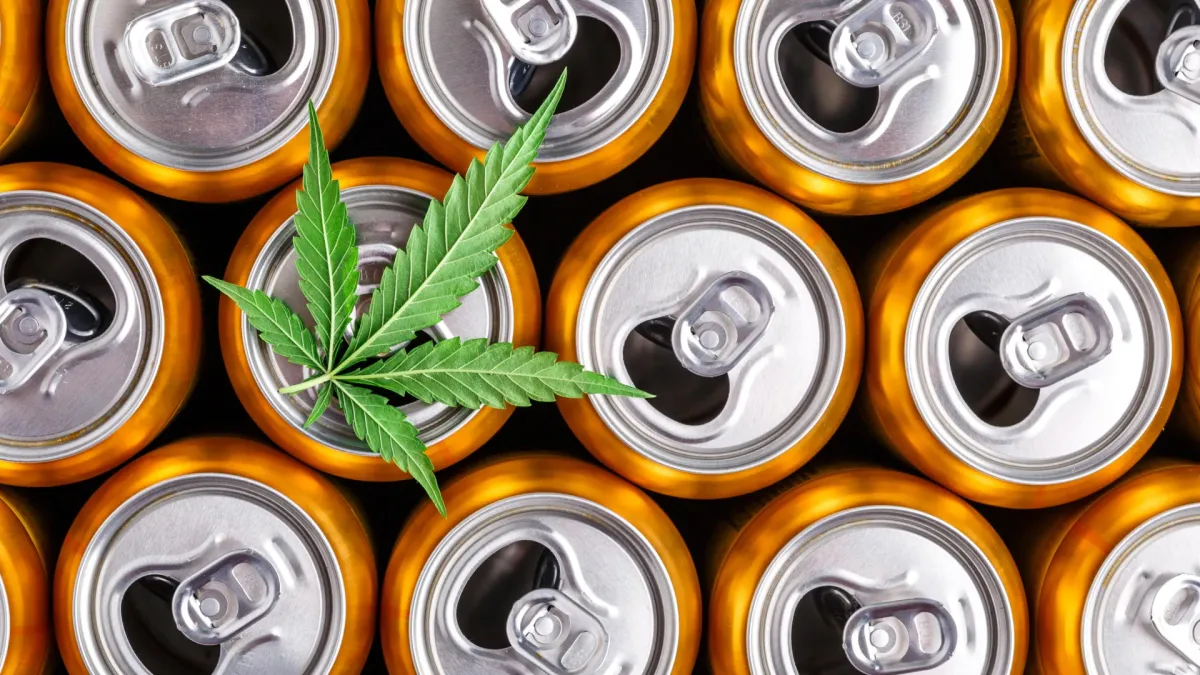
A new study from the University at Buffalo found something unexpected: people who switched to cannabis-infused beverages reported drinking roughly half as much alcohol as before. Nearly two-thirds of cannabis drink users in the survey said they either reduced or stopped drinking alcohol entirely after making the switch.
The research surveyed 438 adults who'd used cannabis in the past year. Of those, about 56% also drank alcohol, and roughly a third had tried cannabis beverages. The pattern was clear: people who drank cannabis beverages were more likely to substitute them for alcohol (58.6%) compared to those using other cannabis products like edibles or flower (47.2%).
The numbers tell the story. On average, participants who started using cannabis drinks went from consuming 7.02 alcoholic beverages per week down to 3.35. They also reported fewer binge drinking episodes. A small portion (3.3%) actually drank more alcohol, but the overwhelming majority moved in the opposite direction.
We're a new kind of news feed.
Regular news is designed to drain you. We're a non-profit built to restore you. Every story we publish is scored for impact, progress, and hope.
Start Your News DetoxWhy the Switch Happens
The researchers think the reason cannabis beverages work better than other cannabis products comes down to context and habit. "People at parties or bars will likely have a drink in their hand," explains Daniel Kruger, a co-author on the study. "In this case, it's a cannabis beverage rather than an alcoholic one." The similarity in how you consume it — holding a drink, the social setting, the ritual — seems to matter more than the substance itself.
Most people who used cannabis drinks consumed products with 10 mg of CBD or less (89.5%), though nearly half didn't know the exact CBD content of what they were buying. About 82% purchased from licensed dispensaries, suggesting this isn't a black-market phenomenon.
This research sits within a larger public health framework called harm reduction. The idea is straightforward: while abstinence is ideal, many adults continue using legal substances like alcohol or cannabis. Harm reduction strategies focus on minimizing risk rather than insisting on total avoidance. Cannabis has been studied as harm reduction for opioids, but this is among the first research examining it as a way to reduce alcohol use.
The timing matters too. Global sales of cannabis beverages are projected to surpass $4 billion by 2028, and many Americans are actively seeking ways to drink less — not just during "Dry January," but year-round. There's clearly demand for alternatives.
The researchers plan to continue tracking how cannabis beverages affect drinking behavior over time and to compare different consumption methods. What's already clear is that for some people, this substitution is real and measurable.