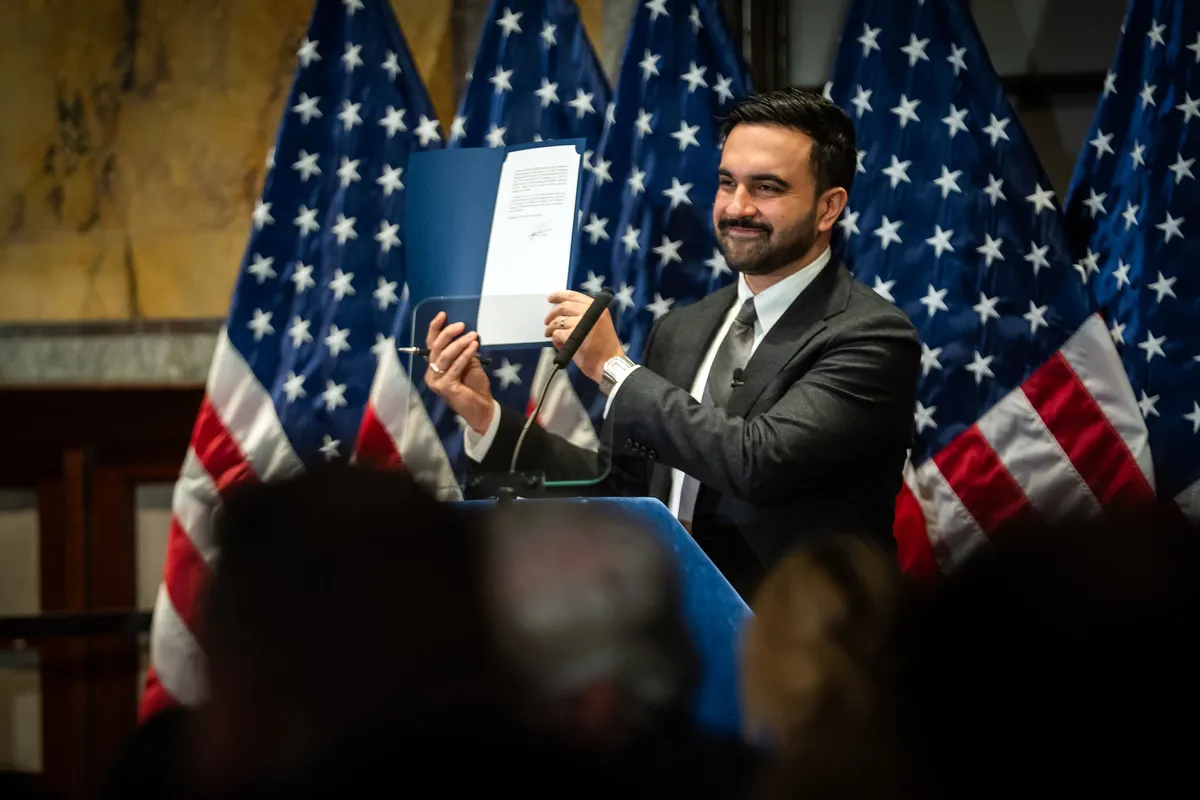
New York City just made it harder for federal immigration agents to operate within city limits. On February 6, 2026, Mayor Zohran Mamdani signed an executive order that builds on the city's existing sanctuary laws—rules that already restrict how police and city agencies can work with ICE (Immigration and Customs Enforcement).
The order does several concrete things. It creates an Interagency Response Committee, led by First Deputy Mayor Dean Fuleihan, tasked with preparing the city for immigration-related crises. The committee will gather data and develop response strategies so the city isn't caught flat-footed if federal enforcement escalates.
It also blocks ICE from using city property. Federal agents can no longer use municipal parking lots, garages, or other city-owned spaces for immigration enforcement. More significantly, the order reiterates that federal agents cannot enter schools, shelters, hospitals, or public spaces without a court order—a protection that matters because it keeps immigration enforcement out of places where vulnerable people seek safety and services.
We're a new kind of news feed.
Regular news is designed to drain you. We're a non-profit built to restore you. Every story we publish is scored for impact, progress, and hope.
Start Your News DetoxMaking sanctuary protections visible
The city is also auditing its own departments and agencies to make sure they're actually following sanctuary policies. That audit report comes out May 7, which means the city is putting its practices on the record. There's also a push for internal training and new privacy directors in city agencies to review how data is collected and shared—a safeguard against information accidentally reaching federal immigration authorities.
Immigrant advocacy groups have called this a meaningful step. It's not revolutionary—New York has had sanctuary protections for years—but it's the difference between having rules on paper and actually enforcing them. The order essentially says: we're taking this seriously enough to reorganize how city government operates around it.
What happens next depends partly on how city agencies implement these changes and whether the federal government tries to pressure the city into cooperation. The May audit report will be the first real test of whether these protections are working as intended.