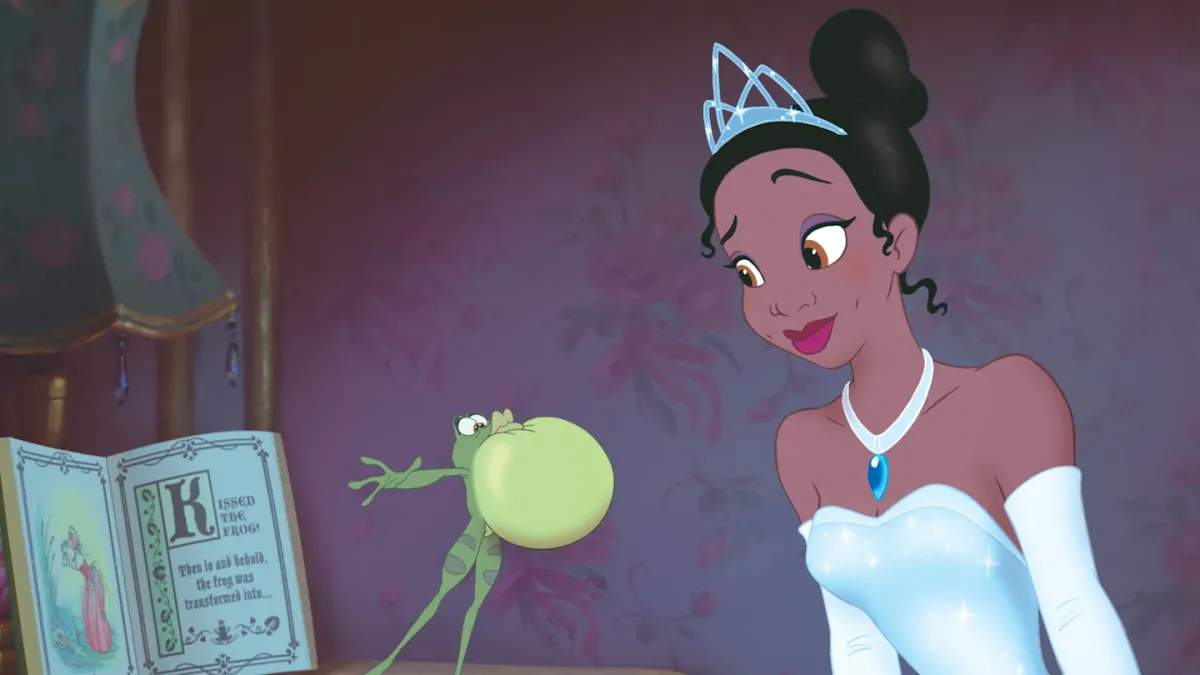
When The Princess and the Frog arrived in 2009, it did something Disney hadn't done before: it centered a Black princess in a fairy tale, set in a real American city, with hand-drawn animation that felt like a love letter to the studio's golden age. The film wasn't just a commercial choice — it was a statement about whose stories deserve the full weight of Disney's craft.
The film's creation reveals how much thought went into making Tiana feel authentic rather than tokenistic. Animators worked directly with voice actress Anika Noni Rose, incorporating her left-handedness and dimples into the character's design. When Rose first saw the final animation, she was struck by how much Tiana resembled her. But the character's foundation ran deeper. Early drafts had Tiana working as a chambermaid, until the filmmakers consulted with the Black community and realized she should embody someone more like Leah Chase — the legendary Creole chef and cultural figure who inspired the restaurant owner Tiana becomes.
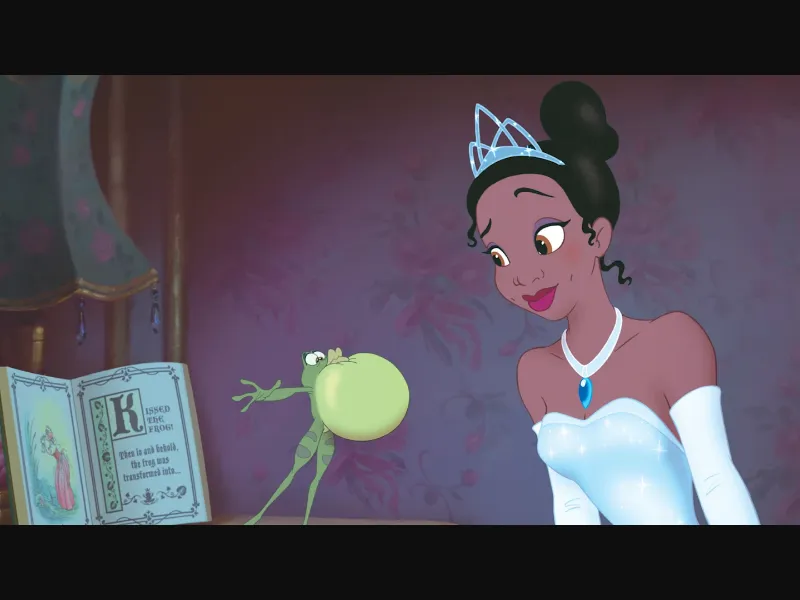
The film's music came from an unexpected place. Directors Ron Clements and John Musker had initially wanted Alan Menken, Disney's go-to composer, but he was already deep into Enchanted. They turned to Randy Newman instead — a choice that turned out to be perfect. Newman had grown up in New Orleans and spent decades mastering jazz composition, giving the film's score an authenticity that felt earned rather than imposed.
We're a new kind of news feed.
Regular news is designed to drain you. We're a non-profit built to restore you. Every story we publish is scored for impact, progress, and hope.
Start Your News DetoxWhat makes The Princess and the Frog visually distinctive is its deliberate homage to Disney's animation past. The animators used traditional hand-drawn techniques when the industry was already shifting toward CGI. The city scenes echo Lady and the Tramp, while the bayou sequences reference Bambi. Clements and Musker considered these earlier films "the peak of animation in the classic Disney style" — not as nostalgia, but as a technical and artistic standard worth meeting.
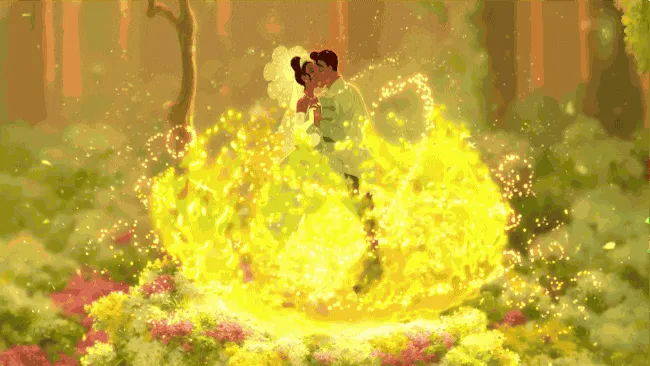
The film is layered with Easter eggs that reward close watching: Aladdin's magic carpet appears during "Down in New Orleans," the trolley carries the animation classroom reference A113, and Ariel's father King Triton shows up as a Mardi Gras float. These details matter because they situate The Princess and the Frog within Disney's larger universe while keeping the story grounded in New Orleans' specific culture.
The Princess and the Frog marked several firsts and a significant last. It's the first Disney princess film set in the modern era, the first to center a Black princess, and the first since Beauty and the Beast where the same actors voiced and sang for their characters. It's also the last theatrical Disney princess film to use hand-drawn animation — only 2011's Winnie the Pooh would follow before the studio moved entirely to CGI.
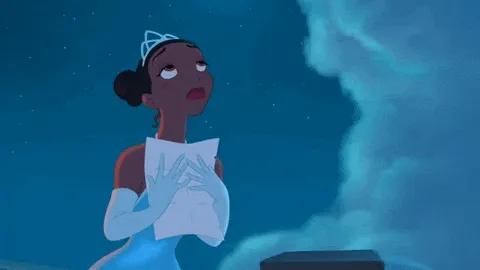
The film's legacy isn't just about representation, though that matters. It's about a studio choosing to invest its full technical and creative resources into a story centered on a Black woman with agency, ambition, and dreams rooted in something real — building a restaurant in New Orleans, not just waiting to be rescued. Fifteen years later, that choice still registers as significant.