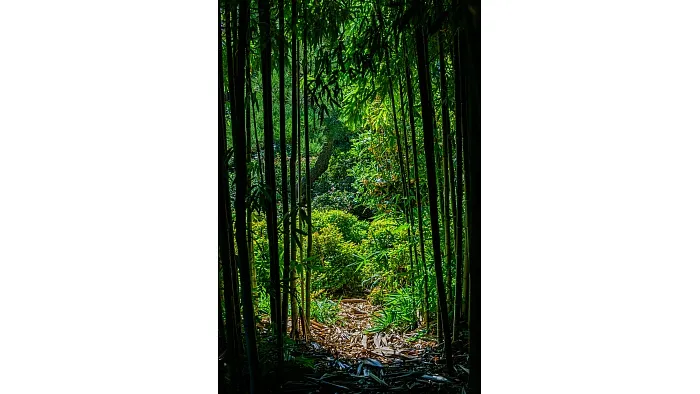
Kotaro Aoki set out on a pilgrimage through Japan's sacred lands with a simple shift in mindset: he stopped trying to navigate the path and let the path navigate him.
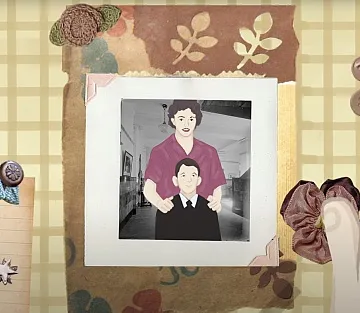
What began as a walk became something closer to listening. Aoki noticed how the ancient routes revealed patterns of coordination that no one had planned. There was creativity without competition, presence without agenda, decisions emerging from collective attention rather than individual leadership. "The path leads," he writes. At some point, the distinction between walker and walked-upon dissolves.

This isn't metaphor, or not only metaphor. When you walk as a pilgrim—without claiming ownership of the route, without imposing your timeline on the terrain—you enter a different relationship with the ground beneath you. The future and the source meet in the same step. Unity with the path creates possibilities that individual effort alone cannot generate.
We're a new kind of news feed.
Regular news is designed to drain you. We're a non-profit built to restore you. Every story we publish is scored for impact, progress, and hope.
Start Your News Detox"This is what pilgrimage actually is," Aoki reflects. "Not a journey toward something, but a return to a source that allows everything else to realign."

There's something quietly radical in this. We're trained to see ourselves as the agents, the planners, the ones who make things happen. The pilgrim's way suggests something different: that sometimes the most generative thing you can do is pay attention, show up with responsibility, and let the architecture of the place—whether it's a sacred trail or a community or a relationship—do some of the work.

It's the kind of wisdom that surfaces when you slow down enough to notice it.