Pete Adler spent 42 years in the military and civilian workforce before discovering what felt like his actual calling: building wooden ramps for people who couldn't afford them.
Adler had majored in architecture before enlisting in the Army. After decades managing equipment and supply chains, he was sitting at a Rotary Club meeting in his Tri-Cities area when a representative from project:HOMES laid out the problem plainly: seniors and disabled people needed ramps to stay mobile and independent, but most couldn't pay the $2,000 cost.
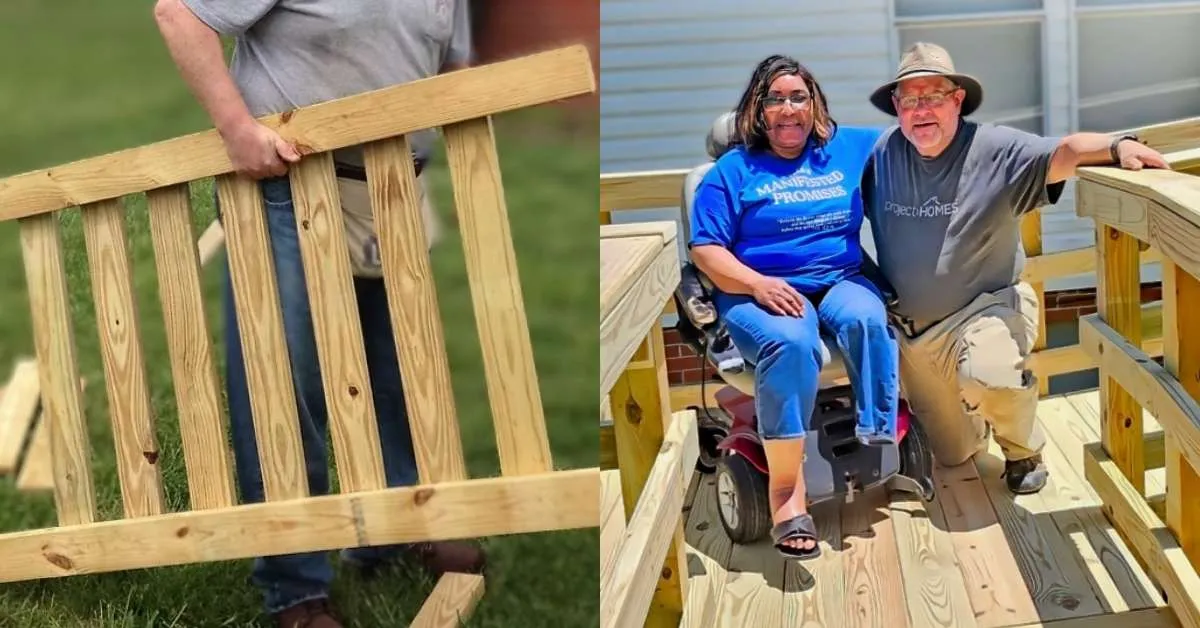
Something clicked. Adler approached a fellow church member, Karen Scott, with an idea: they could build these ramps themselves. What started as two people became a crew, then a movement. Today, when Adler pulls up to a house with his toolkit, about a dozen volunteers from Grace Lutheran Church arrive alongside him—some handling lumber, others working saws, everyone solving the specific puzzle of how to make that particular home accessible.
We're a new kind of news feed.
Regular news is designed to drain you. We're a non-profit built to restore you. Every story we publish is scored for impact, progress, and hope.
Start Your News Detox"I feel this is my calling," Adler said. The work has accelerated dramatically. He went from completing one ramp per weekend to finishing three or four each week across the region.
The numbers have grown quietly impressive. Adler and his volunteers have now built over 500 ramps. project:HOMES, which covers material costs for people who can't afford them, dedicated a full page of their 2024 impact report to what they call "Pete the Ramp Champ."
For Jaunita Barnes, 71, one of those 500 families, the ramp meant the difference between isolation and life. After a stroke and heart attack left her struggling with stairs and her walker, she was stuck inside for months. When Adler's team finished the ramp, something fundamental shifted. "Now I can go where I need to go," Barnes said. "Pete and the others were a true blessing."
That's the pattern repeating across the Tri-Cities now—one ramp at a time, one neighbor regaining mobility, one church crew discovering that their weekends mean something beyond themselves.