Chronic wounds are truly nasty business. They're the kind of injury that just… won't heal. For weeks. Months, even. And as people live longer and diabetes becomes more prevalent, these persistent sores are becoming an increasingly common, and sometimes deadly, problem. We're talking about 12 million people worldwide annually, with about 4.5 million in the U.S. alone. The really grim statistic? Around one in five of these patients ends up needing an amputation.
But now, researchers at UC Riverside have cooked up a new gel that could change all that. It's designed to deliver a steady supply of oxygen directly into the wound, helping it finally close up before things get limb-threatening.
The Problem with Stubborn Wounds
Turns out, one of the biggest reasons chronic wounds refuse to heal is a sneaky culprit: a lack of oxygen deep within the injured tissue. When oxygen levels plummet, wounds stay inflamed, bacteria move in for a party, and tissue breaks down instead of repairing itself. It’s like trying to run a marathon on a single breath.
We're a new kind of news feed.
Regular news is designed to drain you. We're a non-profit built to restore you. Every story we publish is scored for impact, progress, and hope.
Start Your News DetoxIman Noshadi, a bioengineering professor at UCR, led the research. He explains that normal healing is a four-stage dance, and oxygen is the crucial rhythm section for every step. Without it, you get what’s called hypoxia, and the whole process grinds to a halt.
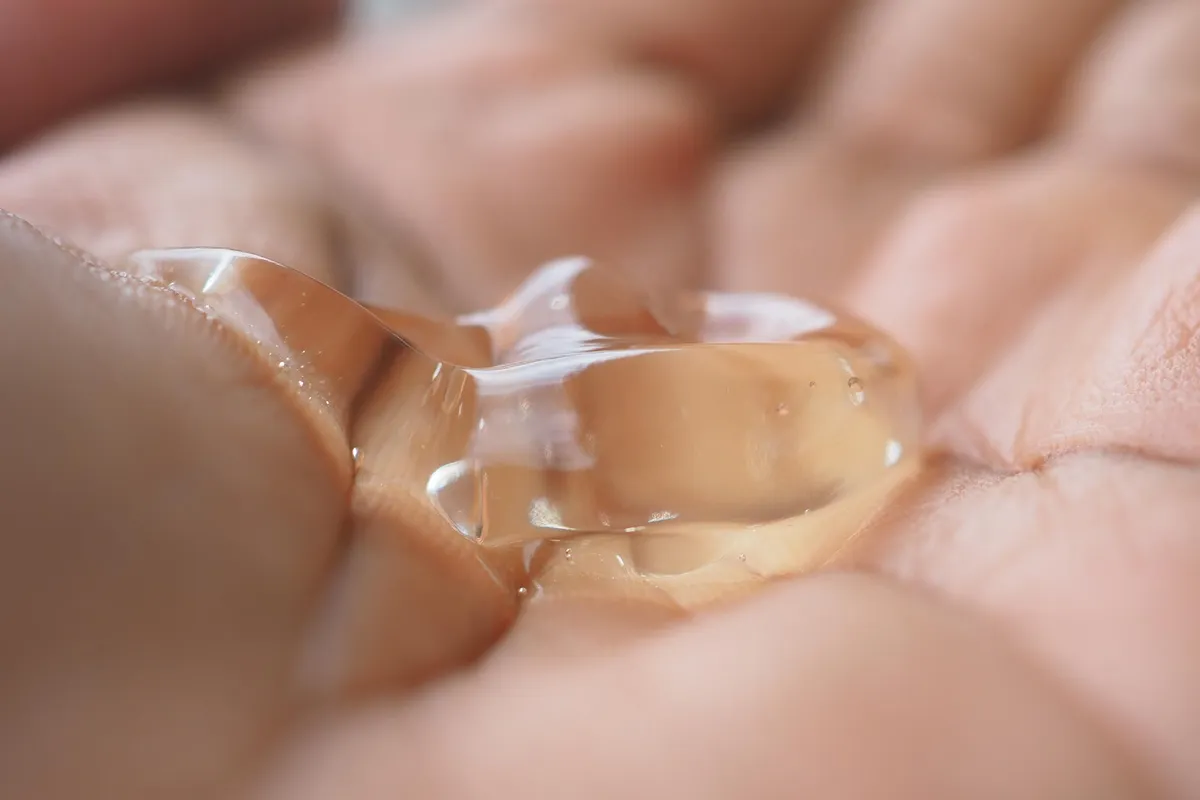
Enter the new gel: a soft, flexible, water-based concoction that's antibacterial, non-toxic, and totally body-safe. The real magic happens when you hook it up to a tiny battery, like the kind in a hearing aid. The gel then acts like a miniature oxygen factory, splitting water molecules to slowly release oxygen right where it’s needed most.
Unlike other treatments that just provide a superficial whiff of oxygen, this gel molds to the exact shape of the wound, seeping into all those tiny nooks and crannies where oxygen is usually lowest and infection risk is highest. And it keeps delivering oxygen for up to a month – a critical feature, given that growing new blood vessels takes weeks.
They tested this clever patch on diabetic and older mice, whose wounds mimic those in aging humans. Untreated wounds often failed to heal and could even be deadly. But with the oxygen-producing patch applied and changed weekly, wounds closed in about 23 days. And, crucially, the animals survived.
More Than Just Oxygen
But wait, there’s more! The gel isn't just an oxygen courier. It also helps tackle inflammation. One of its key ingredients, choline, helps rein in overactive immune responses. Chronic wounds are often plagued by unstable molecules called reactive oxygen species that damage cells and keep the inflammation party going. By providing steady oxygen and reducing these harmful molecules, the gel creates a much better environment for actual healing.
Prince David Okoro, a doctoral candidate in Noshadi’s lab, notes that while other bandages might absorb fluid or release antimicrobials, none truly address hypoxia – the fundamental problem. This new gel does.
This technology could even extend beyond wounds. Noshadi’s lab is looking into how this sustained oxygen delivery could help grow replacement tissues and organs, a huge hurdle in regenerative medicine.
Of course, a gel can’t solve the societal roots of chronic wounds, like rising diabetes rates and sedentary lifestyles. But it offers a very real chance to significantly reduce amputations, improve quality of life, and give the body a much-needed boost to do what it’s meant to do: heal itself. Which, if you think about it, is a pretty breath-taking idea.