Imagine a world where a condition affecting 15% of humanity — roughly 1.2 billion people — was routinely dismissed as a psychological problem. That was the reality for migraine sufferers for far too long. We're talking about a neurological event that can deliver headaches so brutal they come with nausea, visual distortions, and a sensitivity to light and sound that makes a quiet room feel like a rock concert. Globally, it's the third leading cause of years lost to disability, just behind stroke and neonatal brain injuries. Let that satisfying number sink in.
Thank goodness for people like Dr. Michael A. Moskowitz, a Harvard Medical School professor of neurology. He spent his career pulling migraine out of the realm of “imagined headaches” and into the spotlight it deserved. And in the process, he completely rewrote the medical textbooks.

The Brain's Betrayal
Moskowitz's fascination with the brain's less-than-charming habits started young. At 14, he was a hospital messenger, witnessing firsthand how the brain could, as he put it, "betray the body." Fast forward to the early 1970s, and the medical community was largely shrugging at migraine. Brain scans? Normal. Diagnosis? Probably just stress, dear.
We're a new kind of news feed.
Regular news is designed to drain you. We're a non-profit built to restore you. Every story we publish is scored for impact, progress, and hope.
Start Your News DetoxMoskowitz knew better. He started by looking at what everyone else was missing. The brain itself doesn't feel pain, but its three-layered protective covering, the meninges, certainly does. And nobody had bothered to map the nerves around the circle of Willis — a crucial network of arteries that feeds the brain. Seemed like a decent place to start poking around.
Working with MIT chemical engineer Robert Langer (who, incidentally, is a legend in his own right), Moskowitz used a fancy new polymer-based tech. He discovered that nerves around the circle of Willis funnel right into the trigeminal nerve, which also handles sensation for your forehead. You know, where headaches like to set up shop.

Then came the real breakthrough: his lab found these nerves don't just transmit signals; they release neuropeptides. These little chemical messengers kick off a chain reaction, causing inflammation in the meninges and generally making things miserable. This was huge. For a hundred years, the prevailing wisdom was that migraines were all about blood vessels widening. Moskowitz's work blew that dogma out of the water.
He even showed that classic migraine drugs like ergots and triptans weren't working by constricting blood vessels, as everyone thought. Nope. They were actually stopping these harmful neuropeptides from being released. Which, if you think about it, is both impressive and slightly terrifying that we used them for so long without knowing how they worked. This discovery paved the way for a whole new generation of drugs, including those that block CGRP, a major neuropeptide in this pain pathway, which are still in use today.
Triggers and Beyond
So, what causes these peptides to go rogue? Moskowitz's lab pinpointed cortical spreading depression — a slow-moving electrical and chemical wave across the brain. As this wave moves, it can trigger migraine symptoms, like the classic visual aura that dances across your vision as the wave hits your visual cortex.
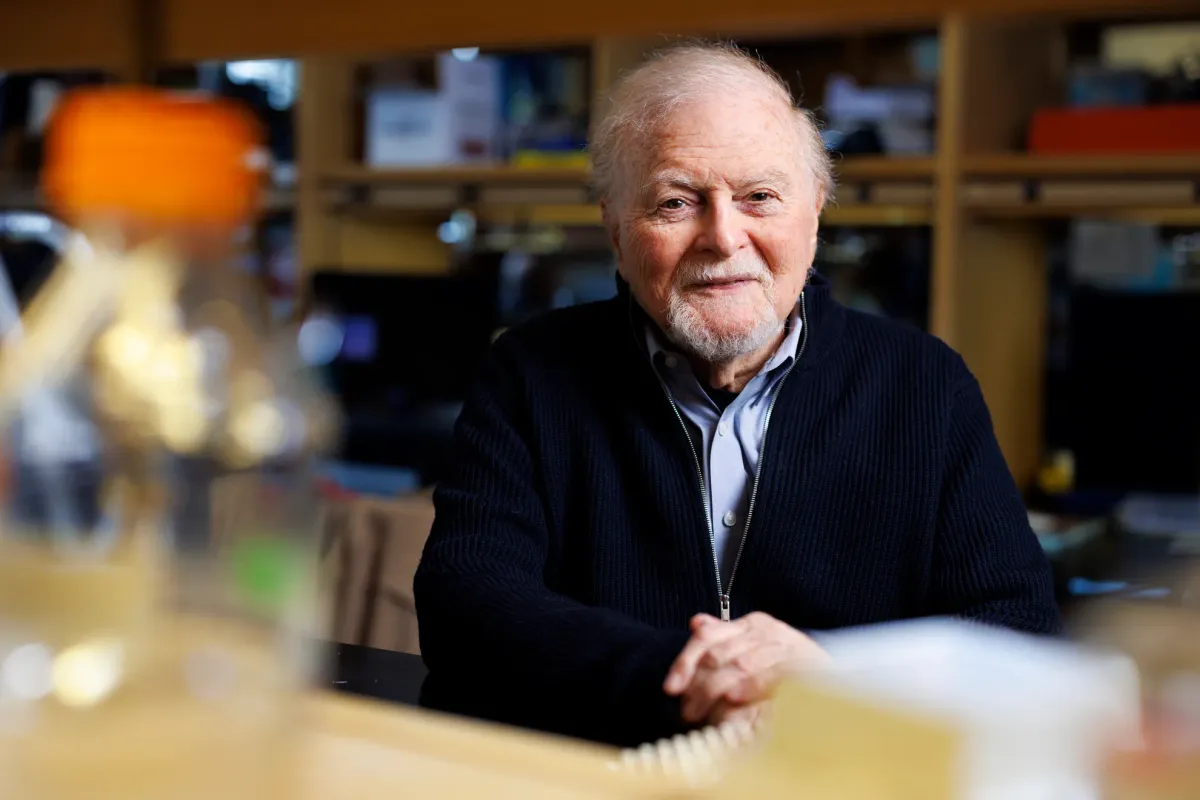
His research isn't stopping there. Moskowitz, along with collaborators, is now exploring how skull bone marrow and its inflammatory cells contribute to meningeal health, with implications for stroke, Alzheimer’s, and multiple sclerosis. It turns out, your skull is doing more than just holding your brain in. And 98% of this groundbreaking work? Funded by the NIH. Because apparently, that's where we are now — thanking government grants for not having our heads explode.
Moskowitz’s work didn't just give us new drugs; it gave millions of people validation and hope. It’s a pretty good reminder that sometimes, the biggest breakthroughs come from simply asking better questions.