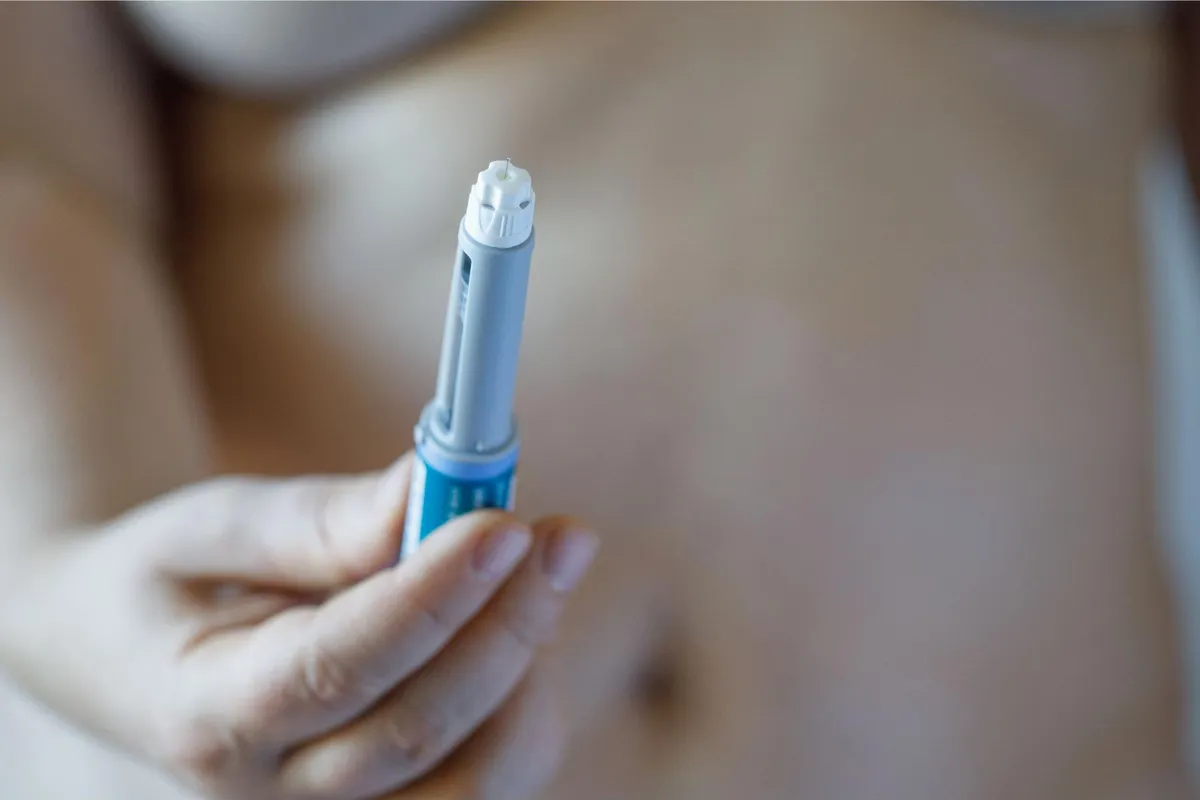
GLP-1 medications, like semaglutide, might do more than just help with blood sugar and weight. A large study suggests they could also improve mental health.
Researchers looked at data from over 100,000 people over a decade. They found that those using GLP-1 drugs had fewer hospital visits and missed less work due to mental health issues. This raises new questions about how these medications affect the brain.
Unexpected Mental Health Benefits
The study was a big analysis using national records. It was done by researchers from the University of Eastern Finland, Karolinska Institutet in Stockholm, and Griffith University in Australia.
We're a new kind of news feed.
Regular news is designed to drain you. We're a non-profit built to restore you. Every story we publish is scored for impact, progress, and hope.
Start Your News DetoxIt's known that diabetes and obesity can increase the risk of mental health problems. Also, people with mental health disorders are more likely to develop conditions like obesity and diabetes. Scientists have been trying to understand these connections and see if medications can help both physical and mental health.
The study followed almost 100,000 people in Sweden from 2009 to 2022. More than 20,000 of these individuals used GLP-1 medications.
Reduced Risks for Depression, Anxiety, and Substance Use
The findings showed that using GLP-1 medications, especially semaglutide, was linked to fewer hospital stays and sick leave for psychiatric reasons. When people were taking semaglutide, these risks were 42% lower compared to times they weren't on GLP-1 treatment. The risk of depression dropped by 44%, and anxiety disorders decreased by 38%.
Semaglutide use was also connected to a lower risk of substance use disorders. Hospital care and sick leave for substance use were 47% lower during treatment periods. Additionally, GLP-1 receptor agonists were linked to a reduced risk of suicidal behavior.
Professor Mark Taylor from Griffith University, one of the study's authors, said the results weren't completely surprising. He noted that an earlier study in Sweden found GLP-1 medications reduced the risk of alcohol use disorder. Since alcohol problems often affect mood and anxiety, they expected a positive effect on these as well.
However, the researchers were surprised by how strong the connection was.
Research Director Markku Lähteenvuo from the University of Eastern Finland explained that because this was a registry study, they can't say exactly why or how these medications affect mood. But the link was very strong. He suggested that besides factors like less alcohol use, better body image from weight loss, or relief from better diabetes control, there might also be direct brain mechanisms involved. This could include changes in the brain's reward system.
Earlier research on GLP-1 medications and their effect on anxiety and depression had mixed results. However, most of those studies were much smaller.
Deep Dive & References
Association between GLP-1 receptor agonist use and worsening mental illness in people with depression and anxiety in Sweden: a national cohort study - The Lancet Psychiatry, April 2026