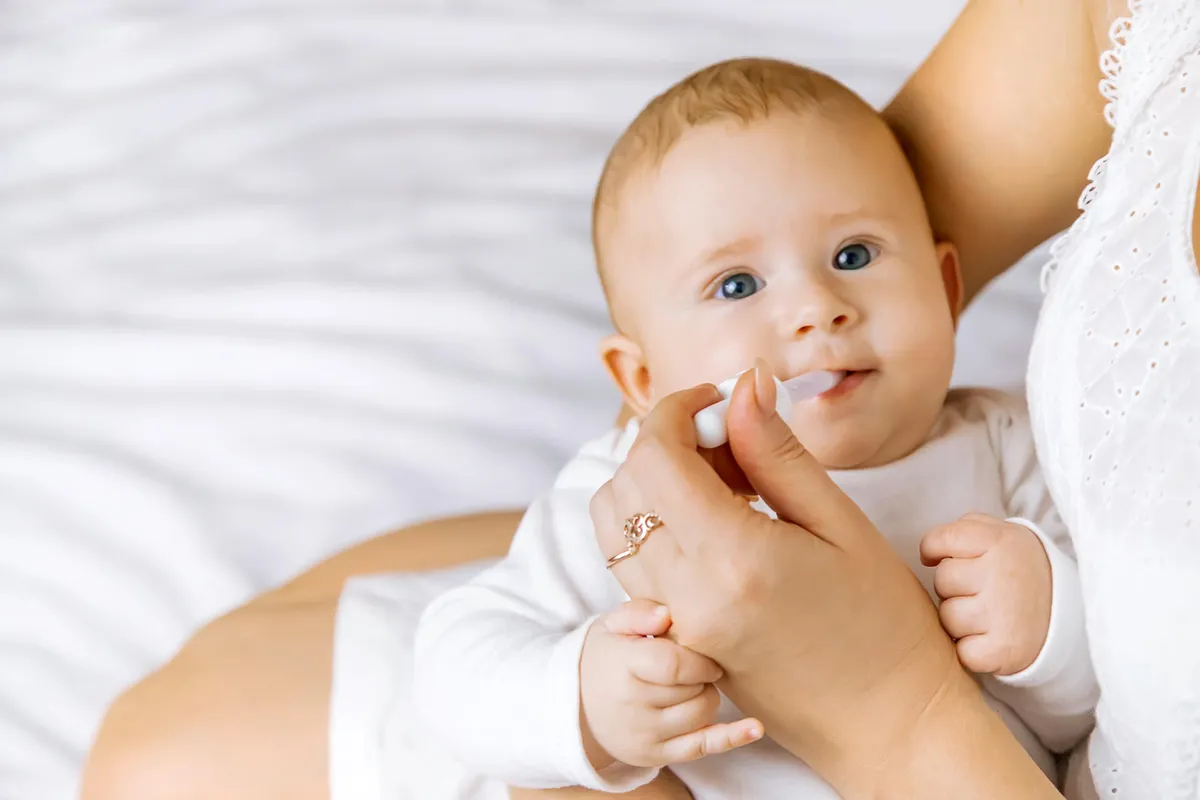
Good news, exhausted parents of tiny humans: those trusty bottles of infant paracetamol (aka acetaminophen) and ibuprofen? They're not, it turns out, secretly plotting to give your baby eczema or bronchiolitis.
For years, a whisper campaign in the parenting world suggested these common meds might be linked to asthma, eczema, and other immune issues down the road. Turns out, those worries can now officially take a backseat. A new, rather robust study just declared them “incredibly safe.” Which, if you've ever spent a sleepless night with a feverish baby, is exactly what you want to hear.
The Study That Set the Record Straight
Researchers in New Zealand put nearly 4,000 babies to the test. Not literally, of course. They simply followed them from birth, randomly assigning parents to use either paracetamol or ibuprofen for their little one's aches and fevers during their first year. Then, they kept tabs on symptoms of eczema, asthma, and bronchiolitis, cross-referencing with prescription and hospital records.
We're a new kind of news feed.
Regular news is designed to drain you. We're a non-profit built to restore you. Every story we publish is scored for impact, progress, and hope.
Start Your News DetoxThe findings, published in The Lancet Child & Adolescent Health, are pretty definitive for the first year. About 16% of the paracetamol group developed eczema, compared to 15% in the ibuprofen group. Bronchiolitis showed up in about 5% of both. These differences? Statistically insignificant. In plain English: they don't matter.
No serious side effects were tied to the meds, either. This wasn't just any study; it was the first randomized controlled trial — the gold standard of research — to specifically tackle this question. So, yes, you can trust it.
What's Next for These Tiny Test Subjects?
This is just the first act of a much larger saga called the 'PIPPA Tamariki study.' These kids will continue to be tracked until they're six years old, with more results expected at ages three and six. The goal is to see if any later-diagnosed conditions, like asthma, can be linked back to infant paracetamol use. Because, as the researchers wisely point out, a lot of three-year-olds who wheeze don't actually have asthma by the time they hit school.
They're also peeking into developmental conditions like autism and ADHD, which typically surface as children get older. So, while you can stop fretting about eczema, more answers are still on the horizon. For now, go forth and medicate those tiny aches with peace of mind.