

Scotland has released a draft climate action plan that maps out how the country will reach net-zero emissions by 2045. The strategy spans transportation, heating, agriculture, and land use—essentially every way Scotland produces greenhouse gases. It's comprehensive enough to feel serious, specific enough to feel real.
Climate Action Secretary Gillian Martin framed this plainly: Scotland is already living with climate impacts. Flooding, heatwaves, wildfires. These aren't future problems. The plan exists because waiting isn't an option.
Moving Away from Fossil Fuels
The most concrete commitments are in transportation and heating. Scotland will stop selling new petrol and diesel cars by 2030—a hard deadline that forces the car industry to adapt now, not in some vague future. For homes and buildings, the plan pushes a shift away from oil and gas boilers toward low-carbon heating systems, with non-domestic buildings required to connect to expanded district heating networks by 2045.
We're a new kind of news feed.
Regular news is designed to drain you. We're a non-profit built to restore you. Every story we publish is scored for impact, progress, and hope.
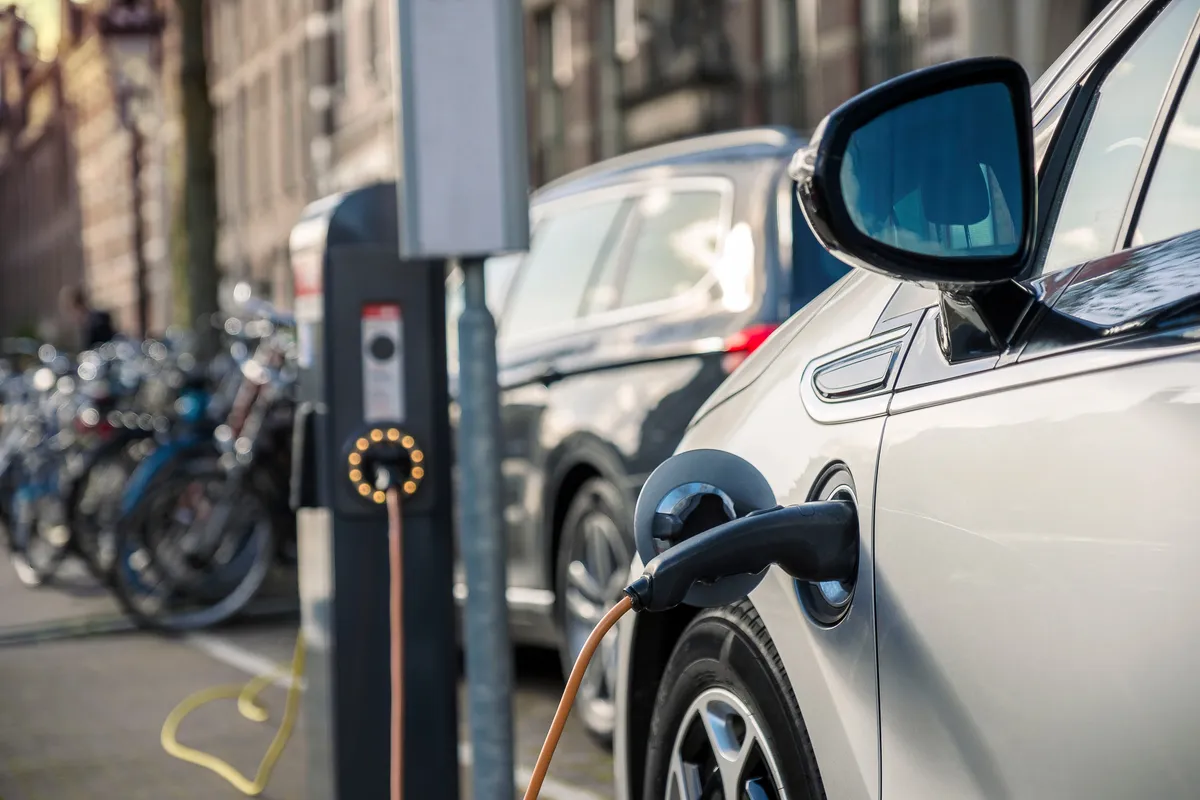
Start Your News DetoxElectric vehicles get financial incentives and expanded charging infrastructure. It's the carrot-and-stick approach: make the alternative cheaper and easier, while making the old way impossible to buy new.
Heating matters more than most people realize. It's how you survive winter. Making that transition without leaving people in cold homes is the actual challenge, and the plan acknowledges it—though critics say the details on cost and support remain fuzzy.
Restoring Land to Balance Emissions
Agriculture accounts for a third of Scotland's emissions, but the government has committed to keeping livestock levels stable. Instead of cutting farming, the plan compensates through landscape restoration. The target: restore about 400,000 hectares of degraded peatland by 2032—roughly one-fifth of Scotland's peatland area. Peatland acts as a carbon sink, so bringing it back is both an emissions strategy and a land restoration one.
Woodland planting will accelerate to 18,000 hectares annually by 2029-30. That's a visible, physical commitment. You can walk through a forest that wouldn't exist without this plan.
The Money Question
Implementing all of this costs an estimated £4.8 billion between 2026 and 2040. That's substantial. But the government projects benefits totaling over £42 billion—through job creation in renewable energy and retrofitting, lower energy bills from efficient homes, and avoided costs from climate damage. Whether those projections hold depends entirely on execution.
Environmental groups have been cautious. They argue the plan doesn't go far enough on public transit, doesn't adequately protect workers in fossil fuel industries during the transition, and leaves questions about future oil and gas extraction unanswered. These aren't small critiques. A just transition—one where communities that depend on fossil fuels don't get abandoned—is as important as the emissions targets themselves.
Scotland's challenge now is moving from plan to implementation. Targets on paper mean nothing without funding, political will, and communities that believe the transition won't leave them behind. The next two decades will show whether this roadmap actually works.





