Zehrish Khanzadi was drinking tea with her housemate past midnight when three bullets came through the door. Bindiya Rana, head of the Gender Alliance Interactive, an organisation advocating for transgender rights, narrowly escaped all three shots. By morning, they'd filed a police complaint. For Khanzadi, an activist who works to protect others, the attack in her own Karachi home felt like a betrayal of the very safety she fights for.
This January shooting was not an isolated incident. In September, a trans woman named Nadira was stabbed with an eight-inch knife at Karachi's Sea View beach after rejecting a man's advances. She required 35 stitches and multiple blood transfusions to survive. Days later, three more trans women were shot at close range near a cluster of restaurants on Karachi's outskirts after resisting robbery.
The Gender Alliance Interactive has documented 55 killings across Sindh province between 2022 and September 2025, with 17 of those in Karachi alone. The violence isn't random — it reflects a broader crackdown. In Khyber Pakhtunkhwa province, district elders have ordered trans women to leave, accusing them of corrupting youth. In September, around 200 people, including four transgender individuals, were arrested at a dance event in Swabi.
We're a new kind of news feed.
Regular news is designed to drain you. We're a non-profit built to restore you. Every story we publish is scored for impact, progress, and hope.
Start Your News DetoxA community fighting back
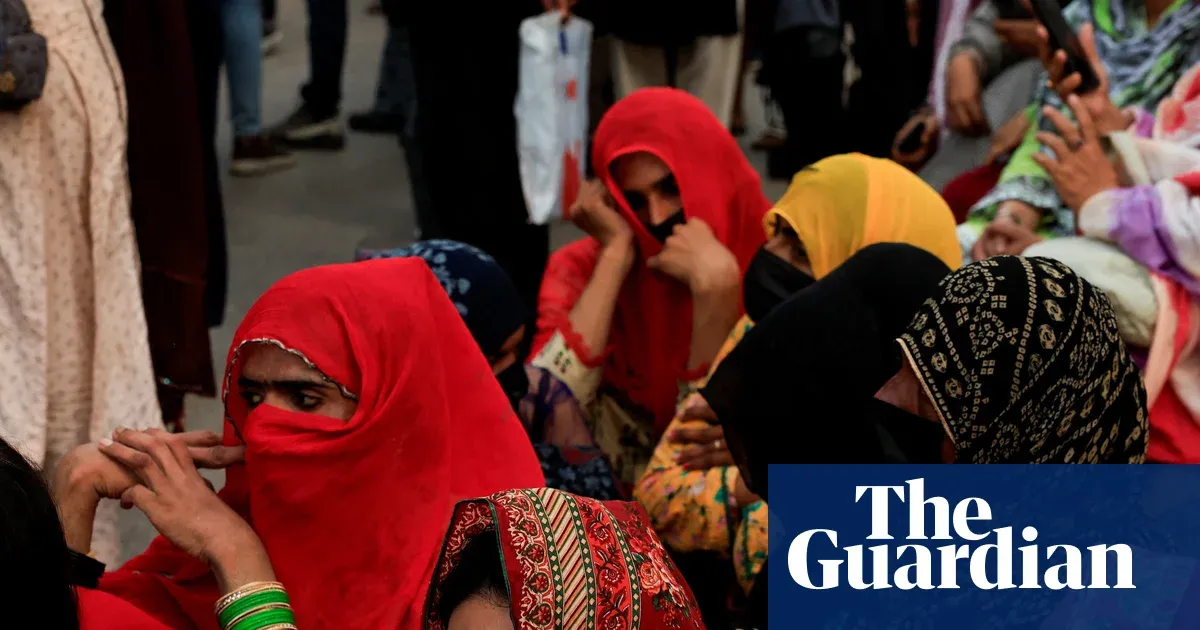
Many trans women now fear leaving their homes. For those whose only income comes from begging or sex work, this enforced isolation means economic devastation. Yet the community is resisting. Twenty-six petitioners have filed a case in Peshawar High Court against the provincial police chief for harassment and humiliation. "No one can expel us from our homes or country," says Farzana Riaz of the Transgender Community Alliance in Peshawar.
Dr Mehrub Awan, a trans woman and central secretary for transgender affairs at the Awami National Party in Khyber Pakhtunkhwa, identifies two forces at play. Local tensions exist — seasonal trans individuals who come for work sometimes clash with host communities. But Awan warns of something larger: a "global gender hegemonic wave" where conservatism is rising and right-wing gender propaganda, translated into local languages, is fuelling anti-trans vigilantism.
City councillor Shahzadi Rai from Karachi links the timing to broader geopolitics. While no data directly connects US policy shifts to Pakistan's violence, Rai argues that global right-wing movements embolden local figures — fashion designers, social media personalities, podcast hosts — to spread anti-trans rhetoric online with newfound validation. "Pakistani society often mirrors American discourse," she says. "It's not that we weren't hated before, but since Trump came to power, these elements have found validation."
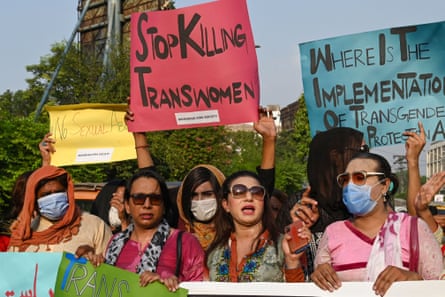
Pakistan actually has legal protections on paper. The 2018 Transgender Persons (Protection of Rights) Act guarantees self-identity, inheritance rights, and protection from discrimination in health, education and employment. Yet these gains are being undermined. In 2023, the federal shariat court ruled that some sections of the 2018 act — specifically definitions of gender identity and inheritance provisions — are incompatible with Islam. A new proposed bill would scrap self-identified gender entirely, replacing it with a medical board system to officially register people as male or female. The bill lacks backing from most political parties and its future remains uncertain.
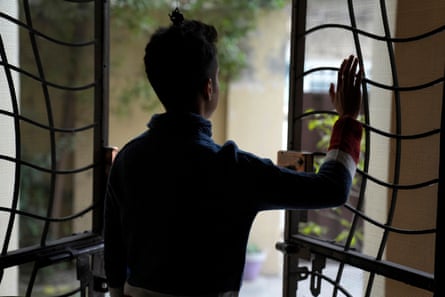
Pakistan's 50,000 transgender citizens face a narrowing space — caught between violence on the streets, legal erosion in the courts, and a growing online climate of hostility. The fight for safety and dignity continues, but the ground beneath it is shifting.