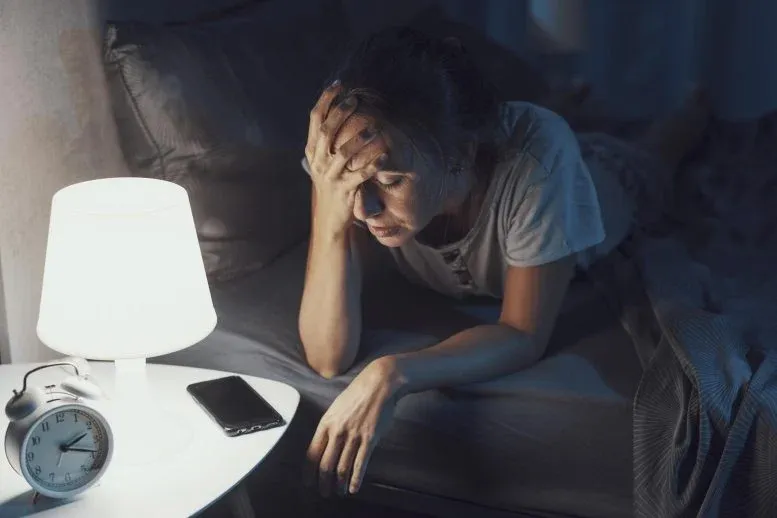
A new study from Oregon Health & Science University found something that surprised even the sleep researchers: how much you sleep appears to shape how long you live more than diet, exercise, or social connection—second only to smoking.
The finding comes from analyzing county-level life expectancy data across the U.S. and comparing it with CDC survey responses collected between 2019 and 2025. When researchers looked at which lifestyle factors most strongly predicted longevity, sleep stood out. "I didn't expect it to be so strongly correlated to life expectancy," said Andrew McHill, the study's senior author and a sleep researcher at OHSU. "We've always thought sleep is important, but this research really drives that point home."
Why This Matters More Than You Might Think
The researchers defined sufficient sleep as at least seven hours a night—the standard recommended by the American Academy of Sleep Medicine. What made this study notable wasn't just the finding itself, but the consistency: the correlation between sleep and life expectancy showed up year after year, across nearly every U.S. state.
We're a new kind of news feed.
Regular news is designed to drain you. We're a non-profit built to restore you. Every story we publish is scored for impact, progress, and hope.
Start Your News DetoxMcHill points to the mechanics. Sleep doesn't just make you feel rested. It directly affects your cardiovascular system, immune function, and how your brain works. Chronic sleep deprivation strains all three. The study didn't dig into exactly why inadequate sleep shortens life—that's still being worked out—but the connection itself is now hard to ignore.
What's striking is how we treat sleep compared to other health habits. "We think of sleep as something we can set aside and maybe put off until later or on the weekend," McHill said. "Getting a good night's sleep will improve how you feel but also how long you live." Most people would never skip exercise or a healthy meal for a week, but cutting sleep by an hour or two most nights feels routine.
The research was carried out largely by graduate students in OHSU's Sleep, Chronobiology, and Health Laboratory. While previous studies have shown that inadequate sleep raises mortality risk, this is the first to reveal year-to-year correlations between sleep and life expectancy for every U.S. state—making the pattern impossible to dismiss as a one-time finding or regional quirk.
The implication is simple but radical: if you're juggling sleep against work, exercise, or a side project, the research suggests sleep should win more often than it does.