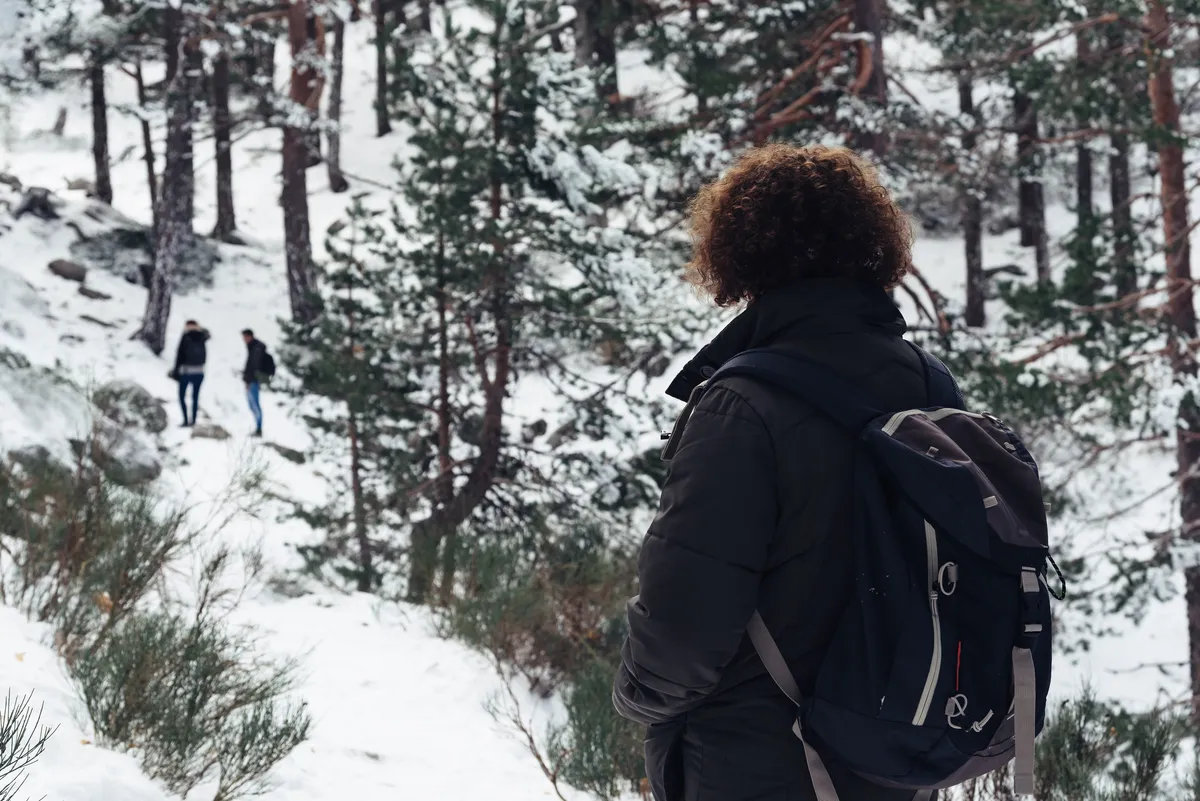
Winter transforms familiar trails into something quieter, more intimate. Snow hangs heavy on branches. The air tastes sharp. Footprints are the only sound. But this beauty comes with real stakes: daylight vanishes by 4 p.m., ice hides under fresh snow, and weather shifts without warning.
The answer isn't to wait for spring. It's to go in with your eyes open.
The Non-Negotiables
Dave Evans, head of climbing at Plas Y Brenin outdoor center in North Wales, has a blunt starting point: your phone is not a compass. In winter, when batteries die in the cold and signal disappears in valleys, a waterproof map and a physical compass become your actual lifeline. Learning to use them isn't optional—it's the baseline.
Realistic goals come next. Winter hiking is slower. Your backpack is heavier. Your body burns more calories just staying warm. Even experienced hikers should scale back what they'd attempt in summer. Evans puts it plainly: "If you're not sure that what you're doing is sensible, do something else that you think is more sensible instead." This isn't caution—it's clarity.
We're a new kind of news feed.
Regular news is designed to drain you. We're a non-profit built to restore you. Every story we publish is scored for impact, progress, and hope.
Start Your News DetoxWeather monitoring starts days before you leave, not the morning of. Wind speed, precipitation, freezing levels—these details separate a good day from a dangerous one. And a clear sunrise doesn't promise a clear afternoon. Build flexibility into your plan.
The Practical Layer
Tell someone where you're going. Leave a note on your car dashboard with your route and expected return time. Save local rescue numbers on your phone. Know what information you'd need to give if things go wrong: your exact location, your route, how many people are with you.
Dress in layers, but not cotton—it holds moisture and fails when you need it most. Synthetic or merino wool base layer, insulating mid-layers, waterproof shell. Boots need serious traction. Gloves, hat, gaiters—these aren't luxuries in winter, they're survival equipment.
Your backpack should carry a first-aid kit, a powerful headlamp with spare batteries (winter days end fast), spare socks and gloves, a bivvy bag for emergencies, something warm to drink. A power bank too—cold drains phone batteries in minutes.
Choose hiking partners who are prepared and level-headed. Winter reveals character quickly. The right group turns a difficult day into something memorable.
Why This Matters
Winter hiking isn't about conquering a summit or logging miles. It's about moving slowly through a landscape that demands your full attention. The crunch of ice under your boots. The weight of silence. The small satisfaction of finding your way when the world looks unfamiliar. That's the real reward—not the destination, but the deliberate, grounded experience of being outside when most people aren't.
Respect the elements, trust your instincts, and the winter trail opens up something most hikers never see.