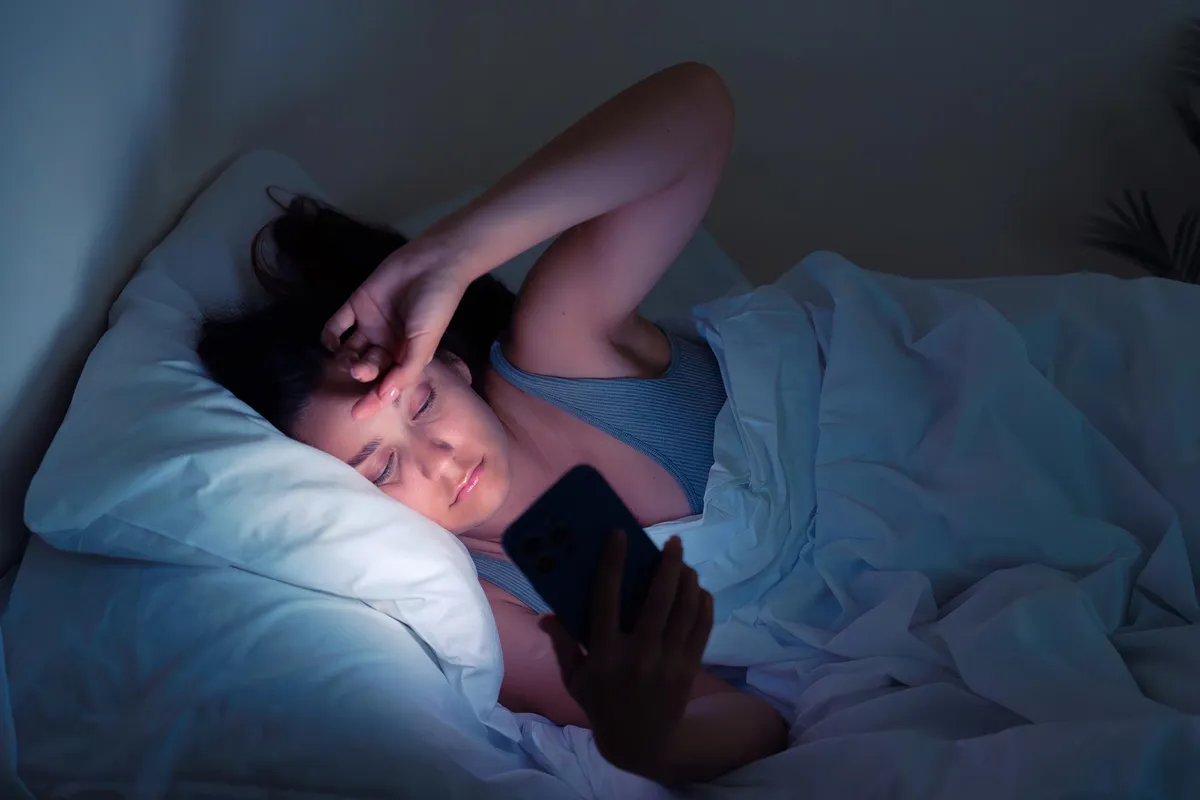
A study of over 300,000 adults reveals something that might feel unfair if you're naturally wired to stay up late: evening people show worse cardiovascular health than morning types. But the real story isn't about your chronotype being destiny — it's about the habits that often come with it.
Researchers at Brigham and Women's Hospital analyzed data from the UK Biobank, tracking adults with an average age of 57 and measuring their heart health using the American Heart Association's Life's Essential 8 framework. That scoring system looks at the things we know matter: diet quality, physical activity, sleep, smoking status, and key markers like blood pressure and cholesterol.
The numbers were striking. Evening people — those who typically go to bed around 2 a.m. and are most active later in the day — had a 79% higher likelihood of scoring poorly on overall cardiovascular health compared to the intermediate group. Over a 14-year follow-up, they also showed a 16% greater risk of heart attack or stroke. The effect was particularly pronounced in women.
We're a new kind of news feed.
Regular news is designed to drain you. We're a non-profit built to restore you. Every story we publish is scored for impact, progress, and hope.
Start Your News DetoxWhy timing matters, and why it's fixable
Here's where the research gets hopeful. The researchers found that much of this added risk wasn't about being an evening person per se — it was about the lifestyle patterns that often cluster together for night owls. People who stay up late tend to have lower diet quality, smoke more, and get less consistent sleep. These aren't personality traits. They're habits.
Sina Kianersi, the study's lead author, points to something called circadian misalignment: your internal body clock running on a different schedule than the world around you. When you're naturally wired to be active at night but living in a society built for morning people, you end up working against yourself. You might grab worse food because restaurants are closed. You might sleep less because you have to wake for a 9 a.m. meeting. You might turn to nicotine to manage the friction.
But here's the crucial part: these are all changeable. Evening people aren't inherently less healthy. They're facing a specific set of challenges — and those challenges have solutions.
Kristen Knutson, a cardiologist and chair of the American Heart Association's 2025 statement on circadian health, emphasizes that "evening types have options to improve their cardiovascular health." That might mean finding a job with later hours, prioritizing sleep consistency even if it's at unconventional times, or being extra intentional about diet and movement because the default environment works against you.
There's even a practical angle for healthcare providers: some medications and therapies work better at certain times of day, and that timing varies depending on whether you're a morning, intermediate, or evening person. Tailoring treatment to your actual chronotype, rather than assuming everyone operates on the same schedule, could help people stick with health interventions and see better results.
The research does have limits worth noting. Most UK Biobank participants were white and generally healthier than the broader population, so these findings may not apply equally across all groups. Chronotype was also measured only once, based on self-reported preference rather than objective tracking, so the picture is incomplete.
Still, the takeaway is clear: if you're a night owl, your cardiovascular health isn't locked in. The habits that often come with staying up late are exactly the ones you can change.