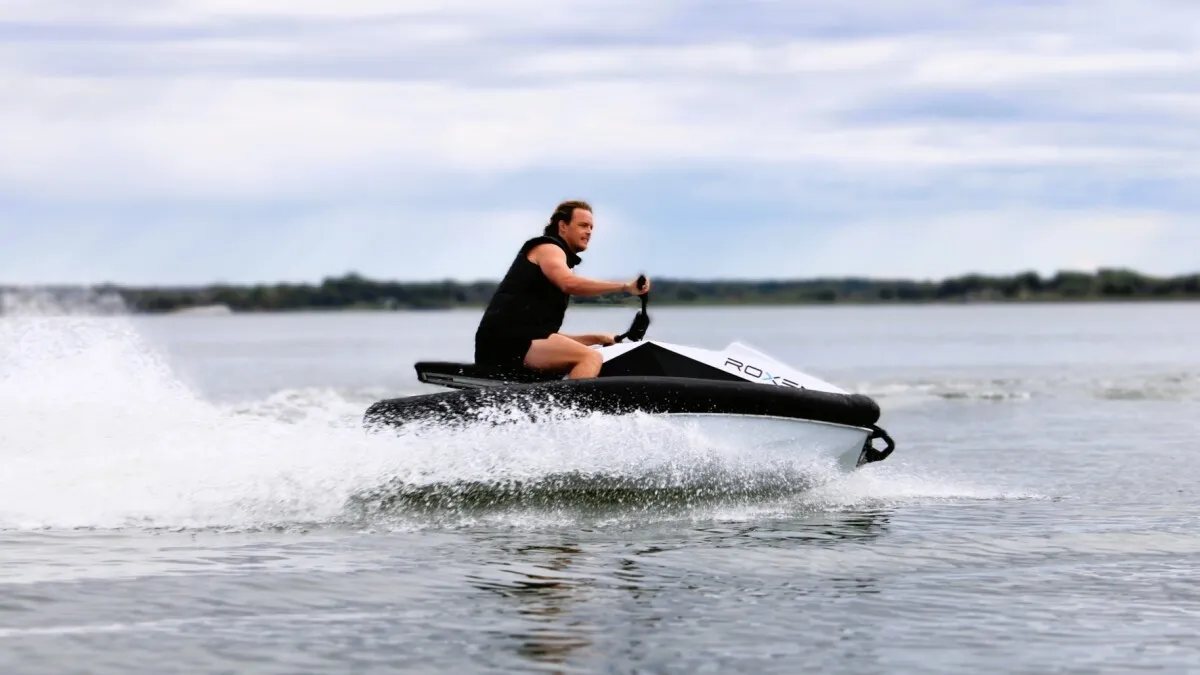
Roxen Innovations, a Swedish company, has announced its new electric personal watercraft (PWC). The Roxen is designed to be quiet, light, and good for the environment, all while keeping up performance.
After years of work, Roxen Innovations plans to start making the PWC in April 2026. They will first produce 200 units to ensure quality. Forty units have already been pre-sold.
Lower Costs and Lighter Weight
Traditional PWCs come with ongoing costs like fuel and maintenance. Electric options have fewer moving parts. This means no fuel expenses, oil changes, spark plugs, or exhaust system upkeep.
We're a new kind of news feed.
Regular news is designed to drain you. We're a non-profit built to restore you. Every story we publish is scored for impact, progress, and hope.
Start Your News Detox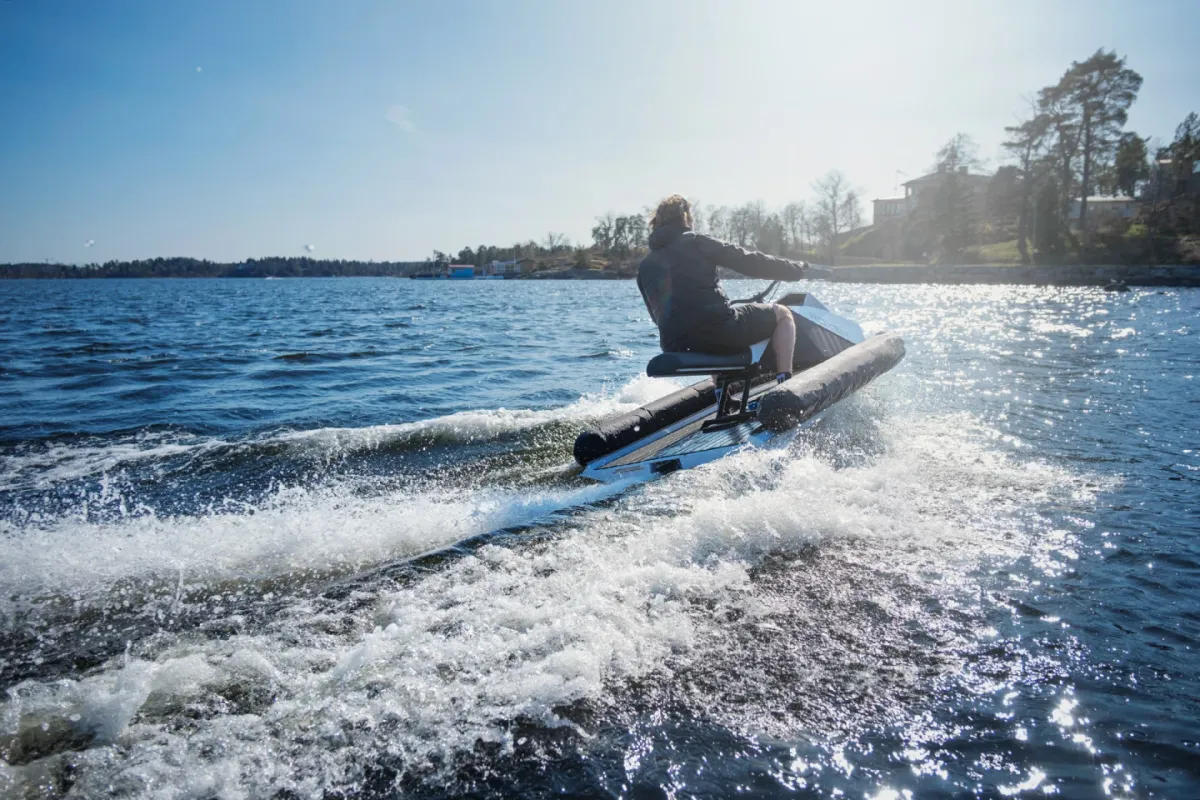
Roxen Innovations looked at fuel and electricity prices in Europe. They found that a gas-powered watercraft uses about 15 liters of fuel per hour, costing about €23 (US$27). The electric Roxen, however, costs about €1.8 ($2.10) per hour for electricity. This is about one-fifteenth of the cost. This difference can add up for regular riders.
Reducing weight was another key goal. Traditional PWCs can weigh hundreds of kilograms. The Roxen weighs 57 kg (126 lb) without its battery and about 93 kg (205 lb) with it. This lighter weight makes it easier to handle on land and more agile on the water.
Power and Features
The Roxen uses a swappable 5.25-kWh battery pack, weighing about 33 kg (73 lb). It takes two to three hours to charge with a standard 230V outlet. The craft can run for 60 to 90 minutes, or travel up to 20 nautical miles (about 30 km or 19 miles). An extra battery can be bought separately for longer rides.
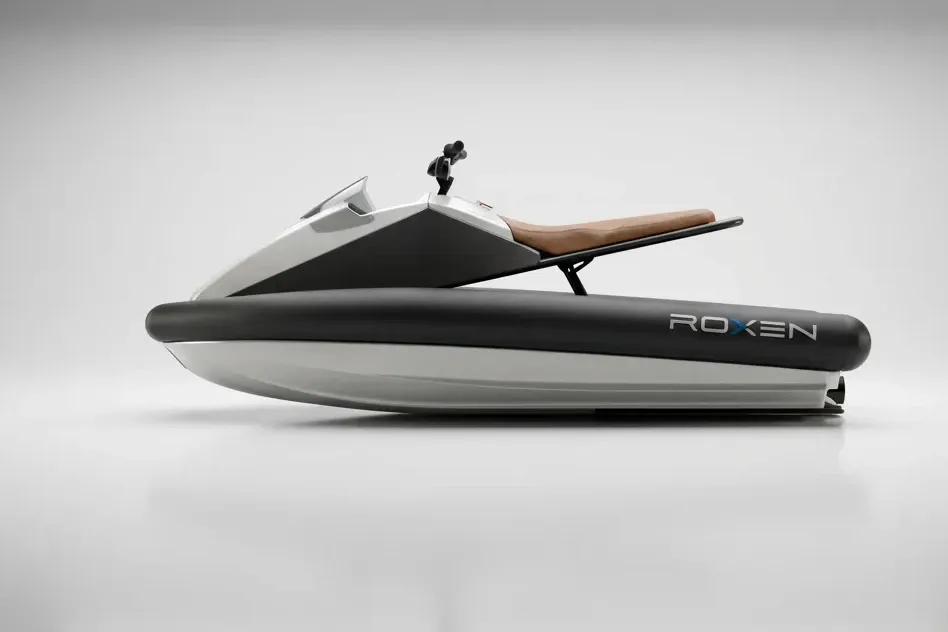
The battery is placed low in the hull for better balance and stability. The craft also has an inflatable "bumper" for added safety. Its hull is made of ABS, a strong, light, and easy-to-repair material.
The Roxen is compact, measuring 2.49 x 1.25 x 1 meters (8.2 x 4.1 x 3.3 ft) in riding mode. In transport mode, it's 2.49 x 1.15 x 0.65 meters (8.2 x 3.8 x 2.1 ft). Its small size and light weight mean it can be transported on a car roof, avoiding the need for a trailer.
A 22-kW electric motor powers the craft using jet propulsion. This pushes water out to move the PWC forward, without an external propeller. It can reach a top speed of about 30 knots (55 km/h or 34 mph). Cruising speeds are between 15 and 20 knots. The makers promise quick acceleration and smooth handling.
The Roxen includes 4G and LTE connectivity for emergency signals. It also has GPS with geofencing and over-the-air software updates. A mobile app lets users check battery status, change settings, and run remote checks. The company notes that the final version might change slightly.

Maintenance for the Roxen is simpler than for gas PWCs. The electric motor removes the need for oil changes and fuel system service. This cuts maintenance tasks by almost half. The vehicle uses marine-grade materials for both saltwater and freshwater. Users should follow battery care tips, rinse the craft after saltwater use, and do regular motor checkups.
The Roxen is expected to cost €17,900 (about US$21,200). This is similar to premium gas-powered PWC models. It comes with a two-year warranty and needs a check-up after the first year.
ROXEN 2024 Demo WebDeep Dive & References: Roxen