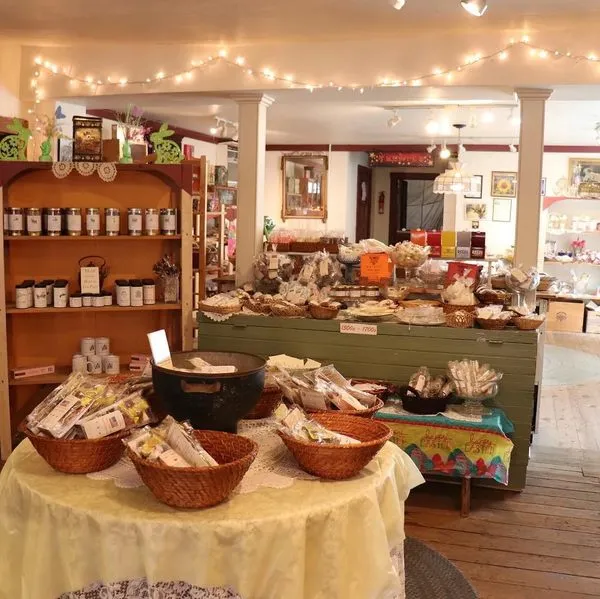
You know those places where you can feel the history? Harpers Ferry, West Virginia, is one of them. And tucked away on Hog's Alley, there's a candy shop that takes that idea literally. You don't just see history here; you can pop it in your mouth.
True Treats isn't your average sugar rush. It's a full-on edible timeline, a place where a candy scholar named Susan Benjamin has curated the past, one sweet bite at a time. She calls it the only research-based historic candy shop in the country, which, if you think about it, is both impressive and slightly terrifying for anyone on a diet.
The shop itself is in a building from 1843, steeped in Civil War-era vibes. A few steps away, a plaque marks the spot where Frederick Roeder, an immigrant baker, met a rather tragic end as Harpers Ferry's first civilian casualty of the war. He was checking out Union troops on July 4, 1861, when a ricocheting bullet found him. Just imagine the historical oomph of that location.
We're a new kind of news feed.
Regular news is designed to drain you. We're a non-profit built to restore you. Every story we publish is scored for impact, progress, and hope.
Start Your News DetoxBenjamin, who once worked in communications for the White House (because of course she did), describes True Treats as "a museum where you can eat the displays." And she means eat them. This isn't just a retro candy store for nostalgic millennials. This goes way, way back.
Sweet Eras, Edible Stories
Want to try pastelli? It's a sesame and honey brittle, first described by Homer thousands of years ago. Or maybe a World War I ration bar that kept soldiers going? They're all here. The shop is organized chronologically, with each candy's backstory printed right on its label. So you can grab your ancient treat, then sit and absorb its historical significance. Because apparently, that's where we are now.
Before Europeans even thought about showing up, Native Americans were crafting maple sugar candies. Mesoamericans were working with cacao nibs long before chocolate became a hot drink (and a political statement against British tea) during the American Revolution. And did you know candy played a role in the fight against slavery? Abolitionists boycotted cane sugar, pushing alternatives like honey and beet sugar — which, by the way, looks like small orange-pink crystals and is now a major ingredient in most modern sweets.
The 1900s brought us wrapped candies and brand names. Cough drops like Pine Brothers blurred the line between medicine and treat. And then there were the chocolate bars. Goldenberg's Peanut Chews were WWI rations, providing quick energy, and later marketed as an inexpensive meal during the Depression. Mr. Goodbar, created in 1925, was another such "tasty lunch."
Of course, there's also a section for modern "retro candy" — rock candy, malted milk balls, the stuff that reminds you of your grandparents. It's a visceral, delicious journey through time, proving that sometimes, the best way to understand history is to, well, chew on it.