In 1955, a group of women in central Idaho decided their community needed a place where ideas could flow freely. They opened a one-room resale shop called the Gold Mine Thrift Store, funneling every dollar into a single mission: build a library that belonged to everyone.
Two years of fundraising later, The Community Library opened in downtown Ketchum. The response was immediate and overwhelming. So many people showed up that the founders had to find a bigger space. Then bigger again. Today, nearly seven decades later, the library occupies almost 28,000 square feet across multiple buildings, holds over 5,000 active library cards, and draws visitors from around the world—no local residency required.
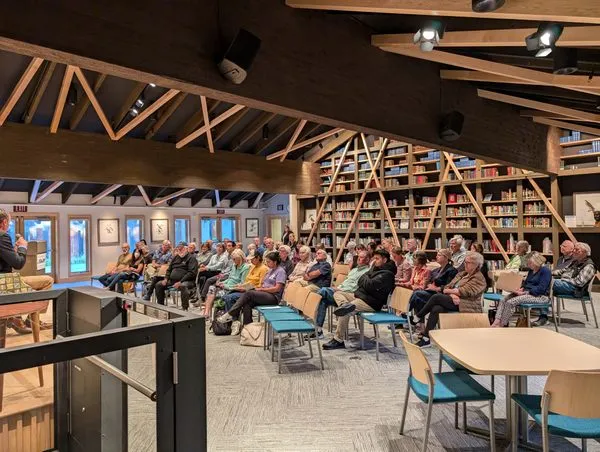
What started as a radical idea (a library for "the people," run by the people) has become a quiet model of how a small town can think big about access. The 2019 renovation added a dedicated Children's Library and a Regional History Department. The programming spans writing workshops, language classes, documentary screenings, and musical performances. On winter afternoons, you can find people curled up by the fireplace with a book they discovered in the stacks.
We're a new kind of news feed.
Regular news is designed to drain you. We're a non-profit built to restore you. Every story we publish is scored for impact, progress, and hope.
Start Your News DetoxBeyond the Building
The library doesn't stop at the front door. A bookmobile—originally launched to prevent summer learning loss—now runs year-round, showing up at community events and preschools with free books and library cards in tow. The library also hosts the Sun Valley Early Literacy Summit, a multi-day gathering where Idaho teachers explore reading as a science. Weekly blog posts offer book recommendations for young readers. Storytimes and crafting sessions happen regularly.
The library has also become custodian of Ernest Hemingway's final Idaho home along the Big Wood River. Each July, the Hemingway Distinguished Lecture draws readers and scholars to mark the month of the author's birth and death. The Wood River Museum of History & Culture, housed within the library complex, rounds out a space that functions less as a building and more as a community institution.
What's remarkable isn't that this library exists—it's that it started with 17 women, a thrift shop, and a conviction that their town deserved better. Seventy years later, that conviction is still driving what happens inside these walls.