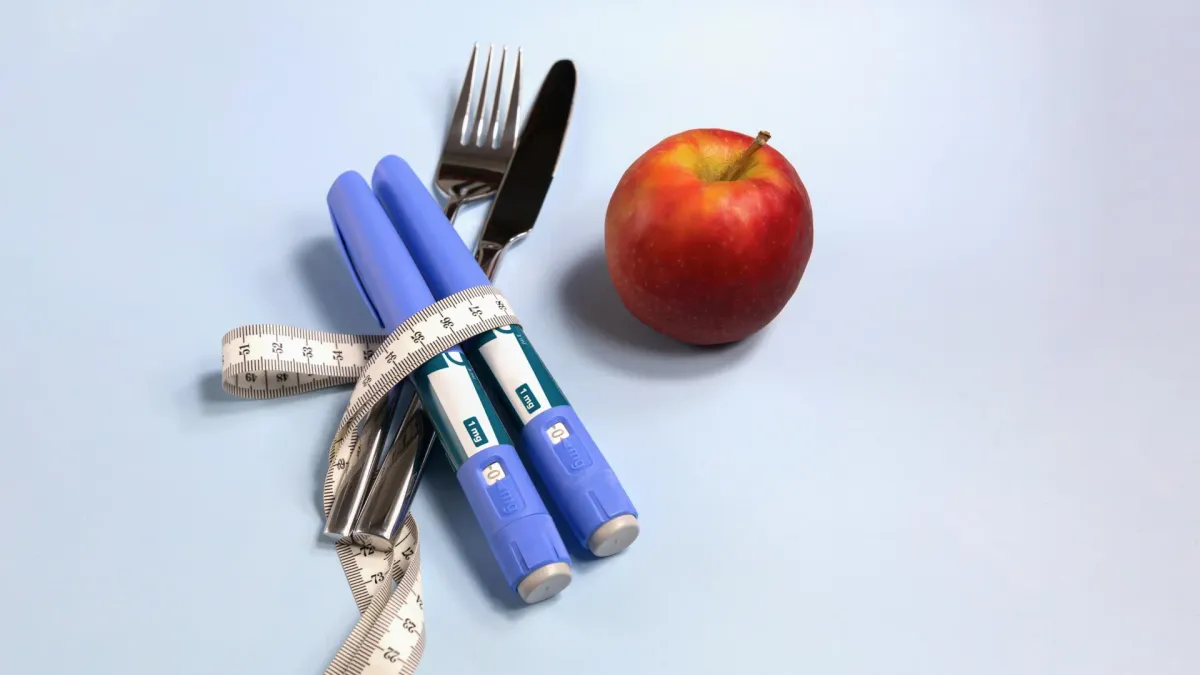
Semaglutide and tirzepatide—drugs sold as Ozempic, Wegovy, and Mounjaro—have become remarkably effective at reducing appetite and helping people lose weight. Calorie intake can drop by 16-39%, which is why millions have turned to them. But researchers are raising a quiet concern: we're not paying enough attention to what people are actually eating while taking them.
The drugs work by mimicking GLP-1, a hormone your body releases after eating. They make you feel fuller faster and dampen cravings. The result is real weight loss. But here's the overlooked part: up to 40% of that weight loss can come from lean body mass—muscle you probably want to keep.
The Gap Between Guidance and Reality
Official guidance from the UK's National Institute for Health and Care Excellence recommends these medications as part of a broader program: reduced calories, yes, but also physical activity and nutritional support. That sounds reasonable. In practice, though, most people access these drugs privately, where that nutritional support often doesn't exist.
We're a new kind of news feed.
Regular news is designed to drain you. We're a non-profit built to restore you. Every story we publish is scored for impact, progress, and hope.
Start Your News DetoxDr. Adrian Brown from UCL put it plainly: "Without appropriate nutritional guidance and support from healthcare professionals, there is a real risk that reduced food intake could compromise dietary quality, meaning people may not get enough protein, fiber, vitamins, and minerals essential for maintaining overall health."
The research team found only 12 studies examining diet quality and nutrient intake alongside these medications. Those studies varied wildly in how they delivered advice and measured outcomes, leaving major questions unanswered. We don't yet know what most people taking these drugs are actually eating, or whether they're getting the micronutrients their bodies need.
What Works in Similar Situations
There's a playbook available. Gastric bypass and gastric band surgery create similar appetite suppression and reduced food intake. People who've had those procedures benefit from structured nutrition guidance: prioritizing protein-dense foods, eating smaller meals more frequently, and being deliberate about micronutrient intake. That same approach could work here—if it's offered.
The researchers aren't arguing against these medications. They're arguing for something simpler: that the people taking them should have access to the same nutrition support that's considered standard after weight loss surgery. That means knowing which foods will sustain muscle, which will provide essential vitamins and minerals, and how to eat in a way that supports long-term health, not just short-term weight loss.
Future research will need to include the voices of people actually using these drugs—what information helps them, what barriers they face, what support they'd find useful. Until then, the gap between what these medications can do and what they're being supported to do remains one of the biggest blind spots in modern weight management.