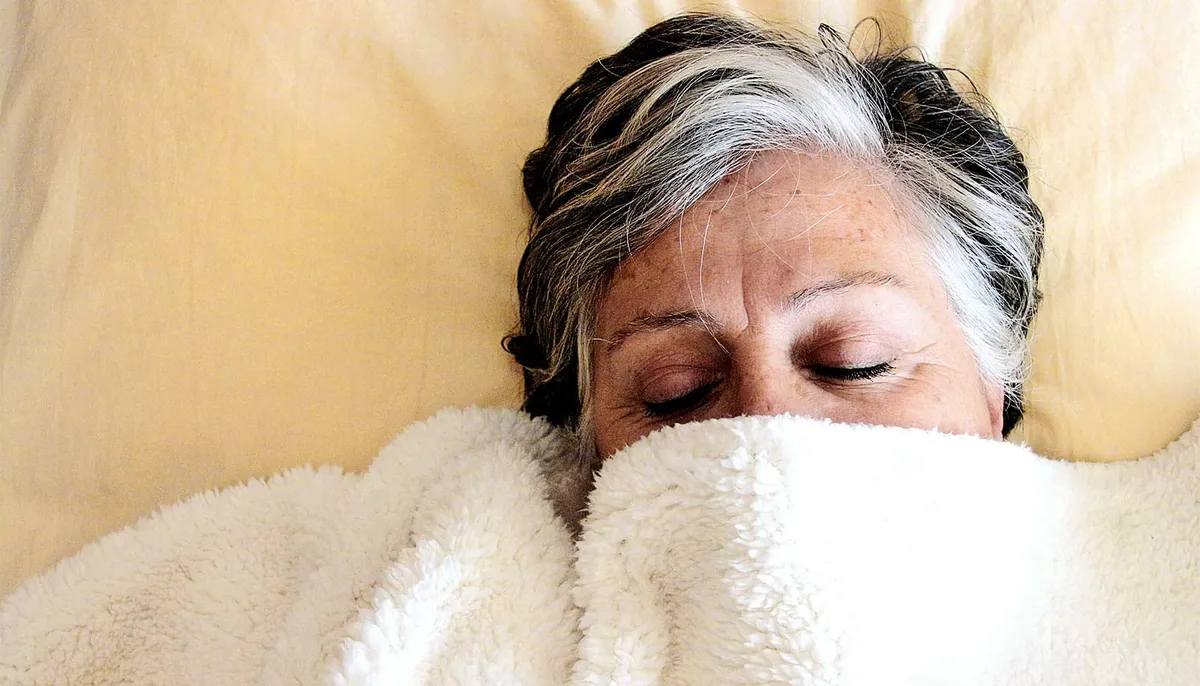
For anyone who's ever grumbled about a bad night's sleep, imagine adding mild cognitive impairment (MCI) to the mix. It's a double whammy: MCI often means restless nights, and restless nights can, in turn, increase the risk of dementia. A real Catch-22.
Turns out, the answer to better Zzz's might just be to pick up the pace, literally. A new study from Texas A&M University has finally settled the age-old debate about which type of exercise is best for older adults with MCI. The verdict? Both light and vigorous activity help, but if you want the real benefits, you need to go hard.
Previous research on this topic was a bit of a muddled mess, with some studies suggesting a leisurely stroll and others pushing for a full-on swim. The problem? Most relied on self-reported surveys, which, let's be honest, aren't exactly rock-solid data sources, especially for folks with cognitive impairment.
We're a new kind of news feed.
Regular news is designed to drain you. We're a non-profit built to restore you. Every story we publish is scored for impact, progress, and hope.
Start Your News DetoxThe Ring That Knew Everything
Enter Jungjoo "Jay" Lee and Junhyoung "Paul" Kim, who decided to get serious about sleep tracking. They strapped Oura Rings onto seven older adults with MCI in a long-term care facility. For two weeks, these rings became the ultimate, non-judgmental sleep and activity monitors, tracking movement, heart rate, and skin temperature.
What they found was pretty clear: high-intensity exercise was the undisputed champion. For every extra second of vigorous activity, sleep disruptions dropped by almost a fifth of a second. Let that satisfying number sink in. Light activity did offer some help, but it was more of a polite nod than a hearty handshake. Moderate exercise, surprisingly, didn't really move the needle.
Now, the study was small, and it didn't differentiate between, say, a vigorous dance party versus a vigorous weightlifting session. But its implications are pretty massive. With the number of older adults with MCI expected to hit over 21 million by 2060, finding simple, effective ways to improve their quality of life is, well, vital.
Kim suggests tailored exercise programs could be the ticket. So, whether it's a brisk walking club or some serious laps in the pool, it seems like the best way to get a good night's sleep might just be to earn it with a sweat. Which, if you think about it, is both impressive and slightly exhausting.