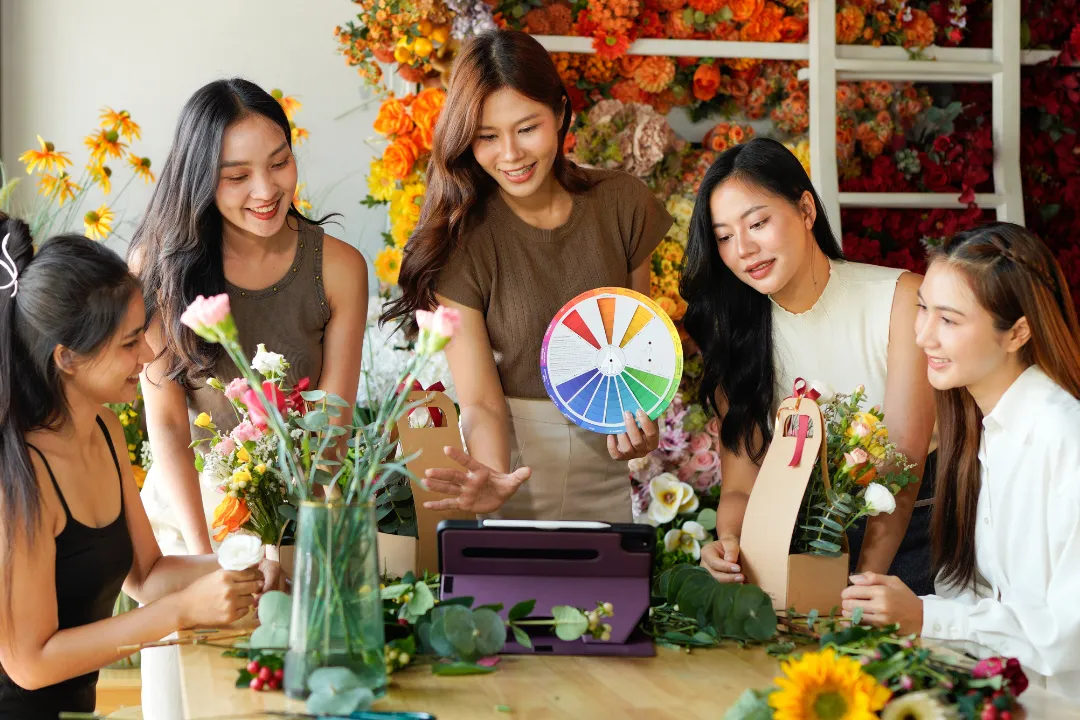
Imagine a Saturday morning arranging flowers with friends, no pressure to fill silences. Or solving a puzzle together, absorbed in the task. Maybe a nature walk where conversation happens naturally—or doesn't at all.
These are the moments of "soft socializing," and they're spreading fast. It's a quiet rebellion against the old rules of hanging out: the forced small talk, the performance anxiety, the unspoken demand to be "on." Instead, people are gathering around activities rather than around the obligation to talk.
Eventbrite surveyed over 4,000 adults across the U.S. and U.K. and found something striking: 58% of younger adults say socializing is "somewhat important, but don't want it to be the focus." Nearly half want control over when and how they interact. 41% want the option to just observe, no small talk required. Previous generations might have called this antisocial. What's actually happening is a redefinition of what connection looks like.
We're a new kind of news feed.
Regular news is designed to drain you. We're a non-profit built to restore you. Every story we publish is scored for impact, progress, and hope.
Start Your News DetoxThe shift is real
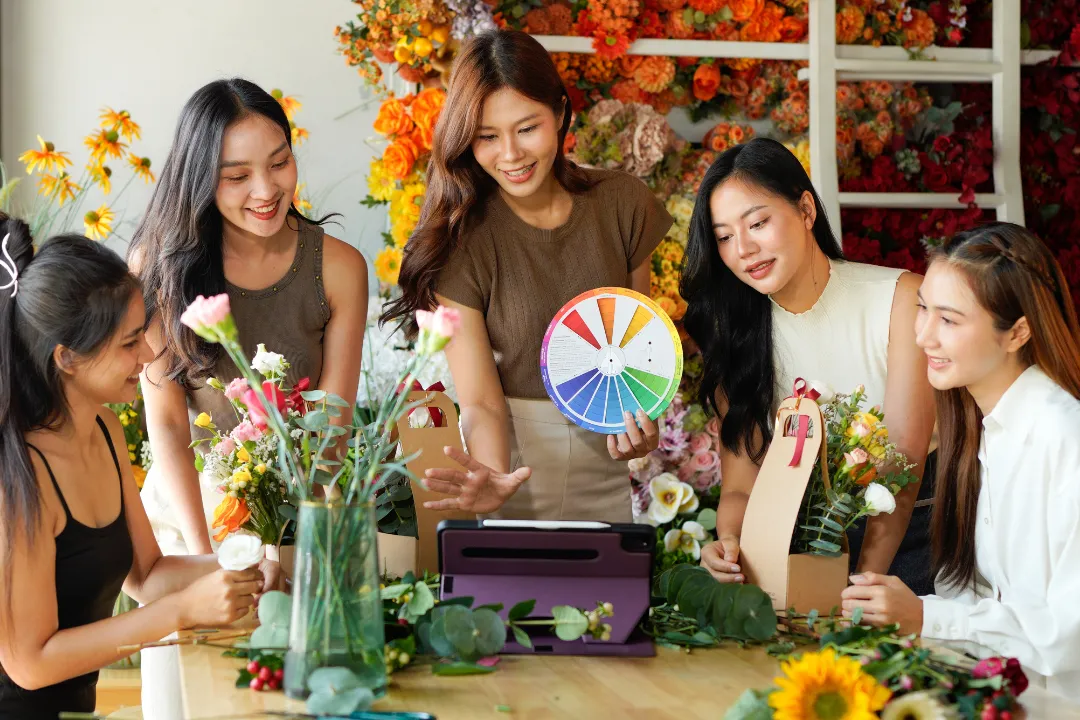
The numbers tell the story. Over the last two years, low-pressure events have exploded. Flower-arranging classes jumped 282%. Puzzle competitions grew 151%. Music bingo up 149%. Silent book clubs and silent discos—yes, those exist—climbed 14%. Coffee tastings, tea ceremonies, guided hikes: all climbing.
What's driving this? Partly psychology. A 2024 study in Motivation and Emotion found that silence rooted in genuine connection—not social obligation—actually deepens closeness more than forced conversation. Shared activities also trigger oxytocin release, the hormone tied to trust and bonding. When you're making something together, walking together, or creating together, your brain is literally wiring you closer.
For Gen Z especially, this matters. About 65% reported a mental health challenge in the past two years, often involving social anxiety. When the activity takes center stage, the pressure evaporates.
The loneliness paradox

This trend arrives against a backdrop of genuine crisis. The U.S. Surgeon General declared loneliness a national epidemic. Half of American adults reported feeling lonely in a recent survey. Among 18–34-year-olds, 30% say they feel lonely daily or several times a week.
Dr. Vivek Murthy's 2023 advisory laid out the stakes: social isolation carries health risks comparable to smoking 15 cigarettes a day. It increases heart disease risk by 29%, stroke risk by 32%, and dementia risk by 50% among older adults.
But here's the twist: despite these numbers, 79% of adults aged 18–35 say they want to attend more live events. "The most social generation in history is redefining what it means to be truly present," Eventbrite CEO Julia Hartz observed. People aren't withdrawing. They're rejecting the old formula and building something that actually works for them.
How to actually do this
The formula is simple. Lead with activity—puzzle nights, craft classes, cooking sessions, board games, guided hikes. Anything that gives people something to do besides perform for each other. Choose a naturally relaxed venue: a neighborhood café, a park, a bookshop. Keep groups small (three to five people). Arrange seating side by side instead of face to face. Have materials ready so people can start immediately, avoiding that awkward waiting period. Keep background music low. End with an optional social moment—snacks, a photo—for those who want to linger.
Make interaction optional. Offer conversation starters, but don't mandate them. Let people arrive at their own pace.
The real shift
One 31-year-old told Business Insider, "We have to retrain ourselves to be social again." Soft socializing is that retraining. It lowers stakes, removes performance pressure, and lets genuine connection develop at its own pace. No forced icebreakers. No pretending to be more outgoing than you are.
The Surgeon General urges us to treat social connection like any major public health issue. Soft socializing isn't the complete solution to loneliness—but it's a vital first step. It's a shift from "you must interact" to "let's make something together." And it's working.