Your car probably knows your secrets. The way you tap the ceiling at a yellow light. The breath you hold past a graveyard. The fuzzy dice swaying from your mirror like a tiny guardian.
These aren't rational habits. But they're everywhere—a quiet language between drivers and the road, a way of saying: I want to get home safely, and I'm willing to believe in anything that helps.
The rituals we carry
Some superstitions feel almost universal. Holding your breath through a tunnel is one of them. The origins are murky—maybe it started as a way to preserve air for sick children, or maybe it just felt like the right thing to do in the darkness. Now it's mostly about avoiding bad luck, even though holding your breath while driving is, objectively, a terrible idea. But people do it anyway, especially through the longest tunnels in the country, where the darkness stretches long enough to make you believe in things you normally wouldn't.
We're a new kind of news feed.
Regular news is designed to drain you. We're a non-profit built to restore you. Every story we publish is scored for impact, progress, and hope.
Start Your News DetoxThen there's the yellow light ritual. As you approach an intersection, hand brushing the ceiling of your car—a small prayer, a thank you, a plea. Some drivers touch their sun visor instead, or kiss their fingers and tap the dashboard. It's the same impulse: Get me through this safely. The yellow light doesn't care. But doing the ritual anyway feels like it matters.
Railroad tracks trigger their own superstitions. Lifting your feet as you cross them—supposedly to ensure you'll meet your true love or get married. It's harmless enough, except when drivers actually take their foot off the pedal to do it, which is exactly the kind of distraction that defeats the purpose of wanting to stay safe.
The stranger ones
Bird poop as good luck sounds absurd until you learn that the belief might have started in Russia, possibly because getting pooped on is rare enough to feel significant. Now drivers wash it off while carrying the supposed luck with them. The irony is that your car getting pooped on probably isn't rare at all—so maybe the superstition has already lost its power.
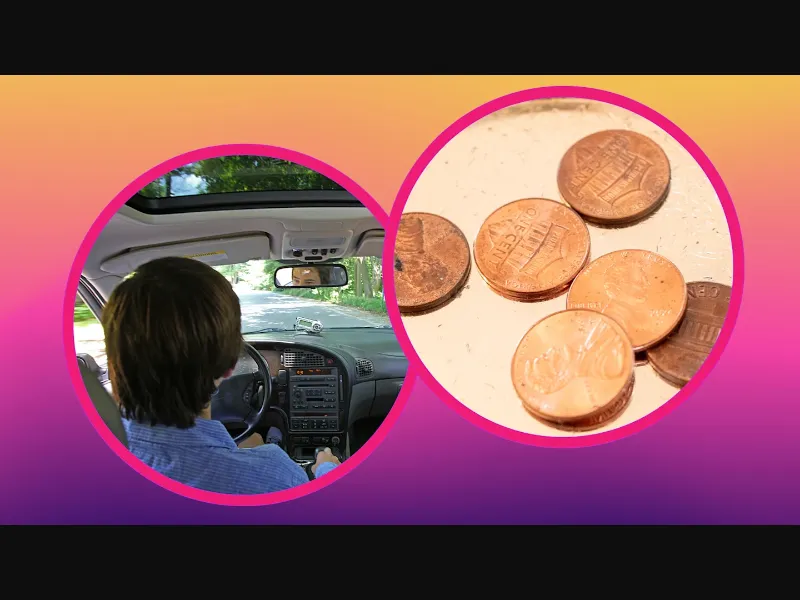
Green cars are another story entirely. Race car drivers have historically refused to drive them, supposedly because of two drivers who died in green cars back in the 1910s and 1920s. The superstition stuck. Some ordinary drivers believe green attracts accidents, even though the color of your car has nothing to do with your odds of getting home.
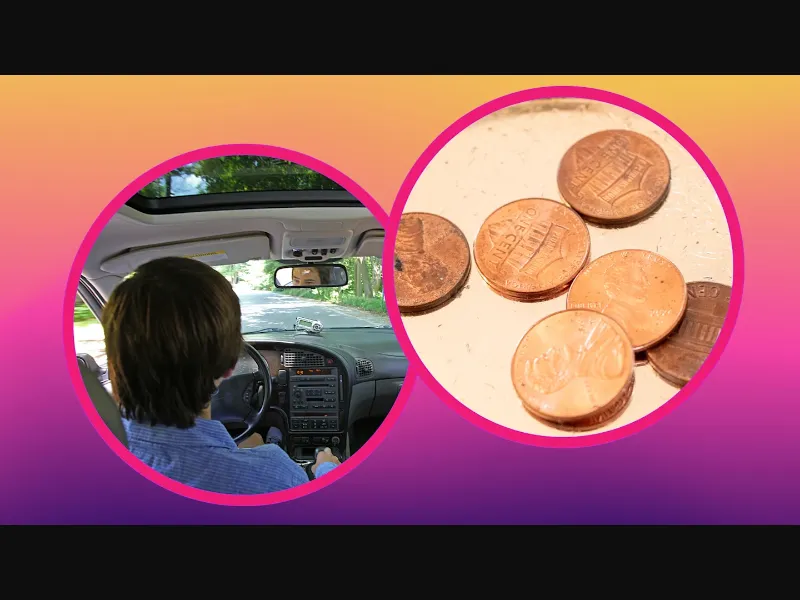
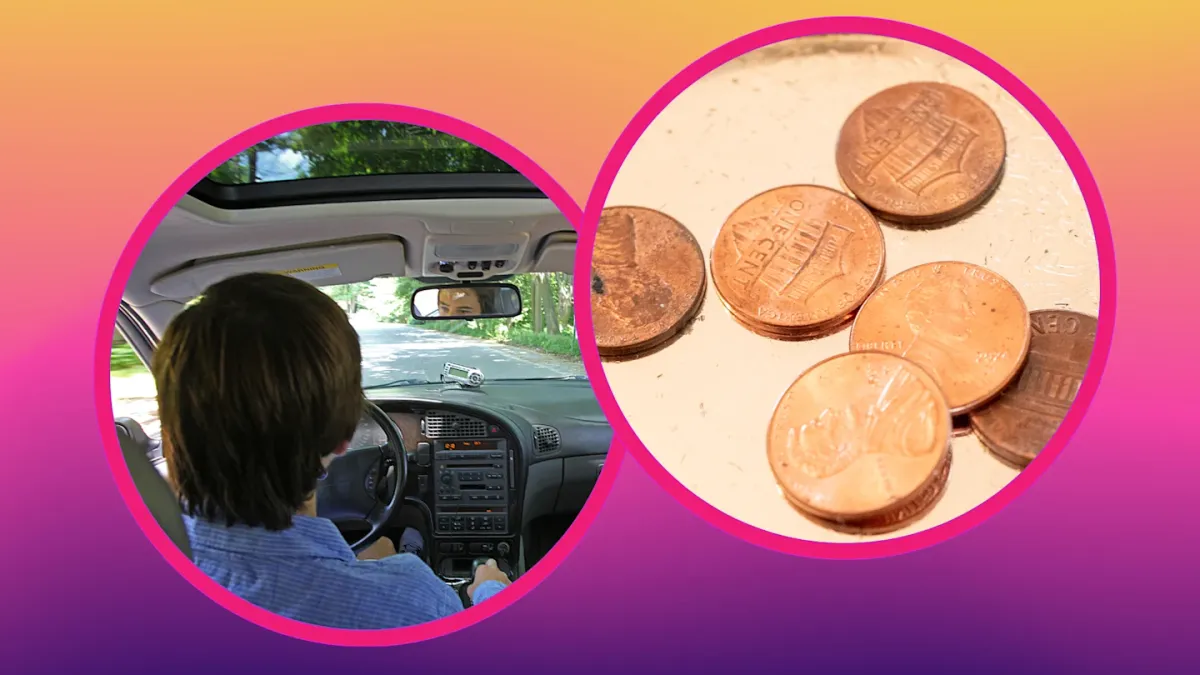
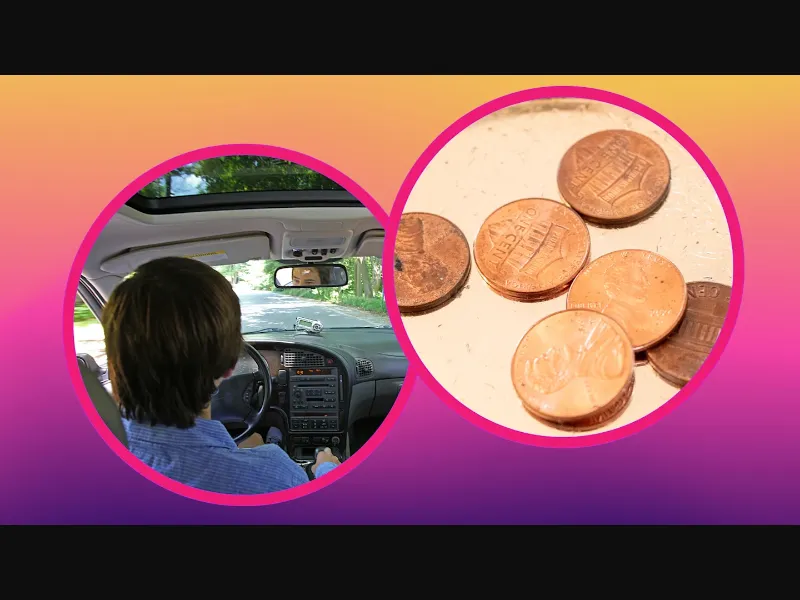
Then there's "car coining"—putting loose change under your seat when you get a new car. It's a small ritual of protection, a way of saying this car is mine, and I want it to be lucky. The spare change might even help on a toll road someday.
Why we do this
None of these habits actually work. Holding your breath doesn't change the air quality. Touching the ceiling doesn't make yellow lights more forgiving. But there's something deeply human about the impulse to do them anyway. Driving is one of the few times we're completely alone with our thoughts and our fears. The road is unpredictable. Other drivers are unpredictable. So we create small rituals—fuzzy dice hanging from the mirror, a St. Christopher medal on the dashboard, the weight of a penny under the seat—to feel like we have some control.
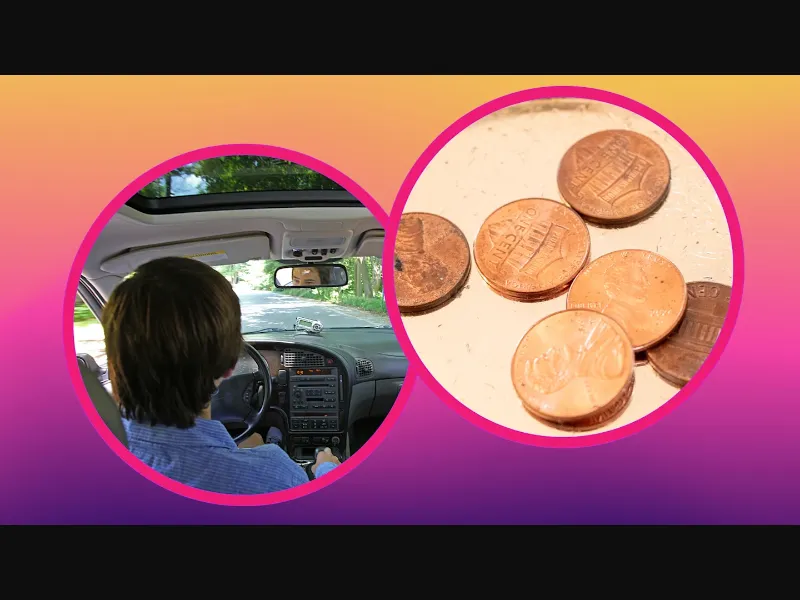
These superstitions are a conversation with uncertainty. They're us saying: I know I can't control everything, but I can do this one small thing. And maybe that's enough. Maybe the real luck isn't in the ritual itself, but in the fact that you're paying attention—to the road, to your surroundings, to the possibility that you might need to be careful.
Your car knows your secrets. And it probably appreciates them more than it should.