In the dry mountains of northern Fars province, a small Iranian city called Safashahr is watching its water disappear. The drought that's gripped the region for years has left public spaces brittle and barren, especially in the villages nearby. Two years ago, someone at the local table tennis association had a thought: what if athletes did more than just compete?
What started as a question became a movement. The head of the Khorrambid County table tennis association decided to weave environmental action into the sport itself — organizing volunteer days where players and their families would work on conservation projects together. The logic was simple: athletes already understand discipline and collective effort. Why not channel that into the land.
From the court to the ground
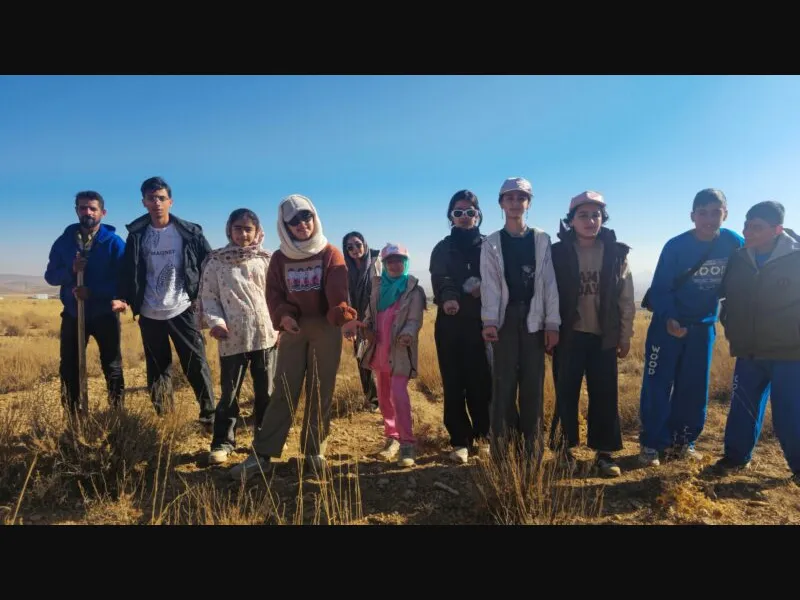
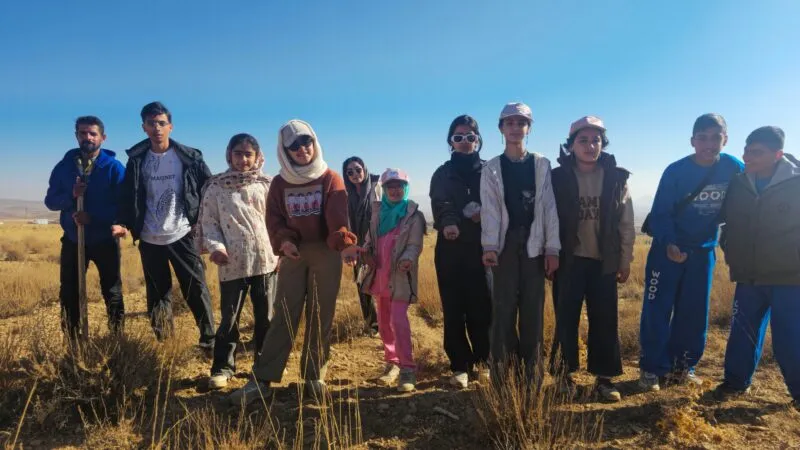
Last month, over 200 people gathered in the Nobekuh area near the village of Dehbid. Young table tennis players came with their families. Local Department of Natural Resources staff came with seedlings. Together, they planted 400 drought-resistant trees—mostly wild almond and arjan species, plants bred by centuries of survival in this landscape.
We're a new kind of news feed.
Regular news is designed to drain you. We're a non-profit built to restore you. Every story we publish is scored for impact, progress, and hope.
Start Your News DetoxOne local parent watched the scene unfold and saw something shift. "The same kids who compete at the table tennis table are now competing to plant more trees," they said. "It has changed how they look at our land." The children who'd spent hours perfecting their serves were now kneeling in dry soil, hands dirty, planting something that would take years to grow.
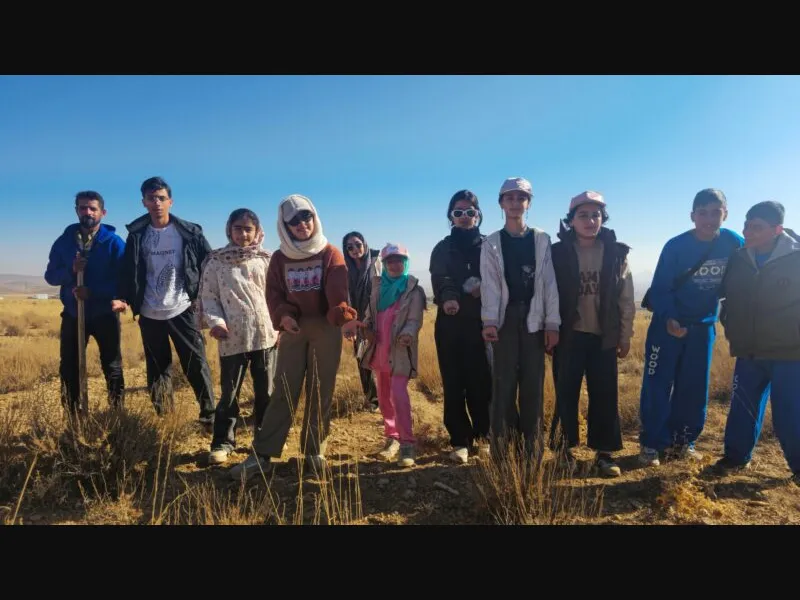
What struck participants most was the feeling of reciprocity. These families live in a landscape under siege from climate change. They've watched wells run dry and watched hillsides turn to dust. But on this day, they were giving something back—not to an abstract cause, but to the specific hills and forests around their homes. The young players began to see those hills differently. Not as backdrop. As responsibility.
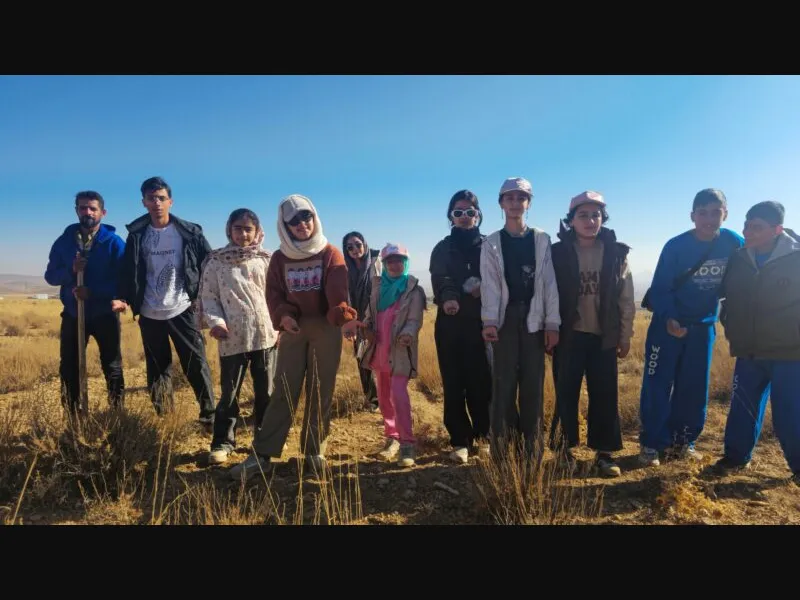
When the event ended, people didn't leave. They stayed asking questions. When's the next planting day. Could they build this into something bigger—a community forest over the next few years. The table tennis association is now formalizing these efforts with the local Department of Environment, turning a volunteer day into sustained action.
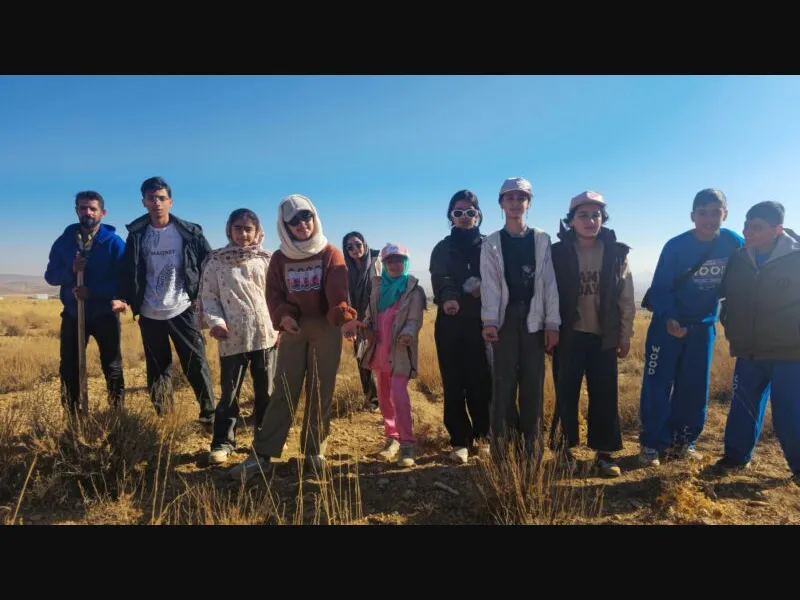
It's a small story from a small city. But it shows how crisis can be a teacher. In Safashahr, a drought that's destroying the landscape has also shown a community what it can do together—and that sometimes the most resilient response comes from the most unexpected places.