The UK government has just announced its largest arts investment in decades: £1.5 billion to fundamentally reshape where culture happens in Britain. The catch is honest and direct — almost every major national institution sits in London, and that needs to change.
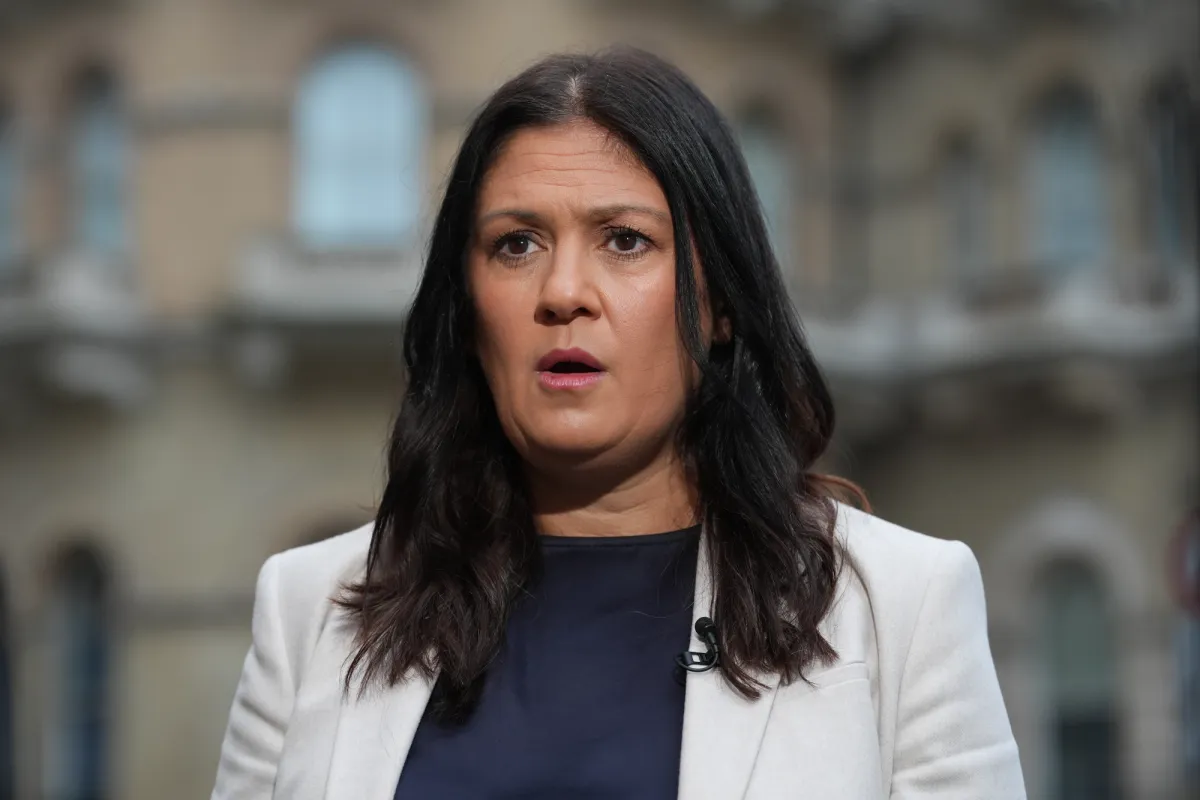
Culture Secretary Lisa Nandy didn't soften the message: "We are building the doors, but now you need to throw them wide open to the whole community." The money breaks down into specific bets on where arts access has been thinnest. £600 million goes directly to national institutions, with an expectation they'll stop treating regional touring as an afterthought. Another £425 million funds the Creative Foundations Fund, backing over 300 capital projects at arts venues across the country — the kind of infrastructure that's been quietly crumbling outside major cities.
Local and regional museums get £160 million. Heritage sites get £230 million. Libraries — often the only free cultural space in struggling towns — receive £27.5 million. There's also £80 million for national portfolio organizations over this parliamentary term, the smaller companies and collectives that actually shape cultural life on the ground.
We're a new kind of news feed.
Regular news is designed to drain you. We're a non-profit built to restore you. Every story we publish is scored for impact, progress, and hope.
Start Your News DetoxThe Royal Shakespeare Company has become the template here. Their work touring productions to places that rarely see professional theatre showed what's possible when a major institution genuinely commits to reach beyond its London base. Nandy held them up as the model others should follow, not the exception.
The tension nobody's ignoring
But here's where the optimism meets reality: unions are pointing out something the funding doesn't fully address. Mike Clancy, general secretary of Prospect, was blunt about it — the money is flowing toward buildings and projects, but the sector has a "crisis in pay and retention" that bricks and mortar won't solve. Arts workers have been leaving the field for years because the wages don't match the cost of living, especially outside London where salaries are lower but housing isn't proportionally cheaper. You can build a beautiful new theatre in Manchester, but if you can't afford to pay the people who run it, you've only solved half the problem.
Nandy acknowledged the criticism about trust in Arts Council England itself, which has faced accusations of political interference. This funding package comes alongside a broader reckoning with how the council operates — the government is signaling it wants to rebuild credibility there too.
The framing is deliberately historical. Nandy compared this moment to post-World War Two cultural rebuilding, when Britain invested in arts as part of national recovery. Whether this actually reaches that scale depends on what happens next — not just whether the money flows, but whether institutions genuinely shift their thinking about what "national" means when you're based 200 miles from the audience you're supposed to serve.