Healthy daily habits might do more than just keep your body well. They could also help your mind stay flexible when stress hits.
New research from Binghamton University suggests that simple routines can build "psychological flexibility." This quality helps people respond better to stress.
The Power of Psychological Flexibility
Psychological flexibility is about adjusting your thoughts, feelings, and actions as situations change. It helps you stay balanced and constructive. Instead of feeling trapped by stress, flexible people can pause, understand their feelings, and respond in a healthier way.
We're a new kind of news feed.
Regular news is designed to drain you. We're a non-profit built to restore you. Every story we publish is scored for impact, progress, and hope.
Start Your News DetoxLina Begdache, a professor of health and wellness studies and lead author of the study, explained this idea. "You might know someone who stays cool under pressure," she said. "The kind of person who misses a flight and, instead of panicking, calmly adapts to the situation."
Begdache noted that these people are often called resilient. But they also have psychological flexibility. They can change how they think about a situation and use their brain to handle the stress.
What the Research Shows
Begdache and her team surveyed about 400 college students. They asked about diet, sleep, exercise, and other lifestyle factors. The results showed that consistent healthy habits, like regular exercise and eating breakfast, are linked to greater psychological flexibility. This, in turn, helps with resilience and coping with stress.
The study found that:
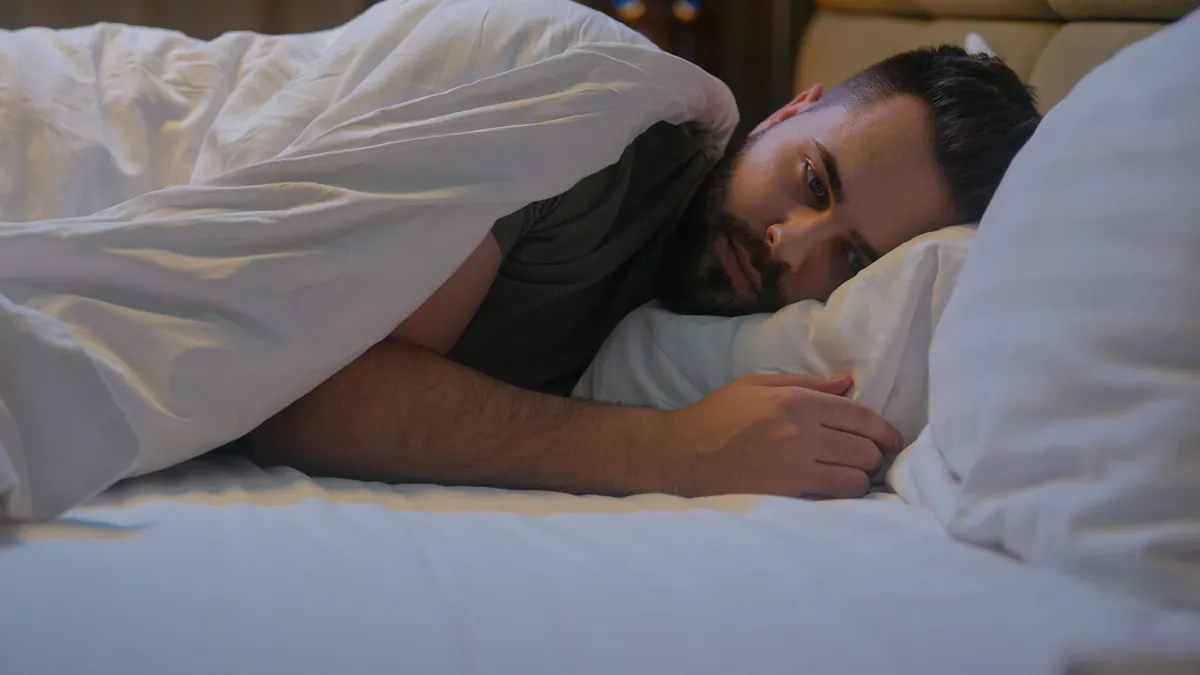
- Sleeping less than six hours often leads to lower resilience and less psychological flexibility.
- Eating breakfast five or more times a week is connected to greater resilience through psychological flexibility.
- Exercising for 20 minutes or more is linked to psychological flexibility and resilience.
- Taking fish oil several times a week can help with psychological flexibility.
On the other hand, low psychological flexibility is tied to unhealthy habits. These include eating fast food and not getting enough sleep.
Begdache explained that psychological flexibility helps people "step back." It allows them to use their brain to better understand and process emotions. She believes people can boost this flexibility by improving their diet and lifestyle.
The Connection Between Habits and Resilience
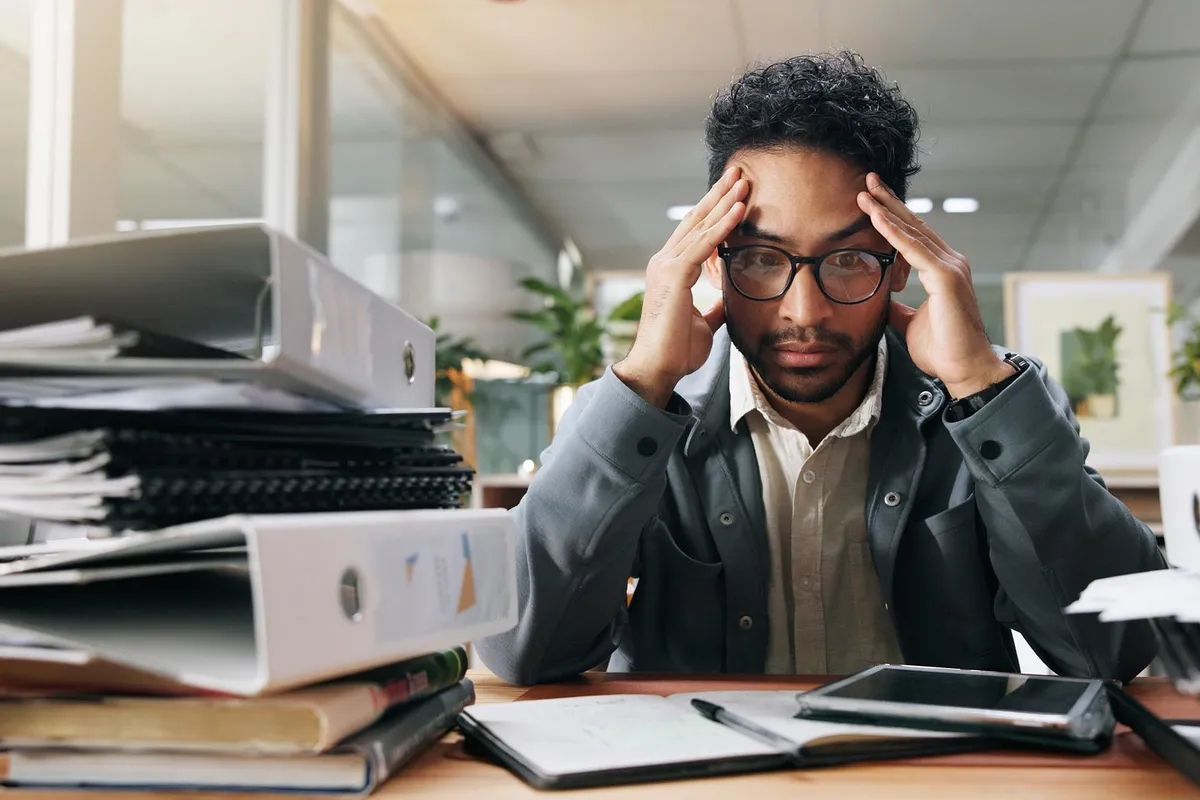
"When we’re under stress, we feel like we fuse with the stress. We live the stress," Begdache said. "But psychological flexibility is like stepping back and thinking, ‘I feel this because of that. What can I do?’" Identifying emotions can help find solutions.
Begdache's earlier work showed that good diets improve resilience, while poor diets reduce it. This new study adds a key insight: psychological flexibility is how diet and lifestyle influence resilience.
"The new finding here is that diet and lifestyle don’t just make you resilient by themselves," she said. "They help you build the psychological flexibility, which, in turn, makes you a resilient person."
Deep Dive & References
Dietary and lifestyle factors and resilience: the role of psychological flexibility as a mediator - Journal of American College Health, 2025