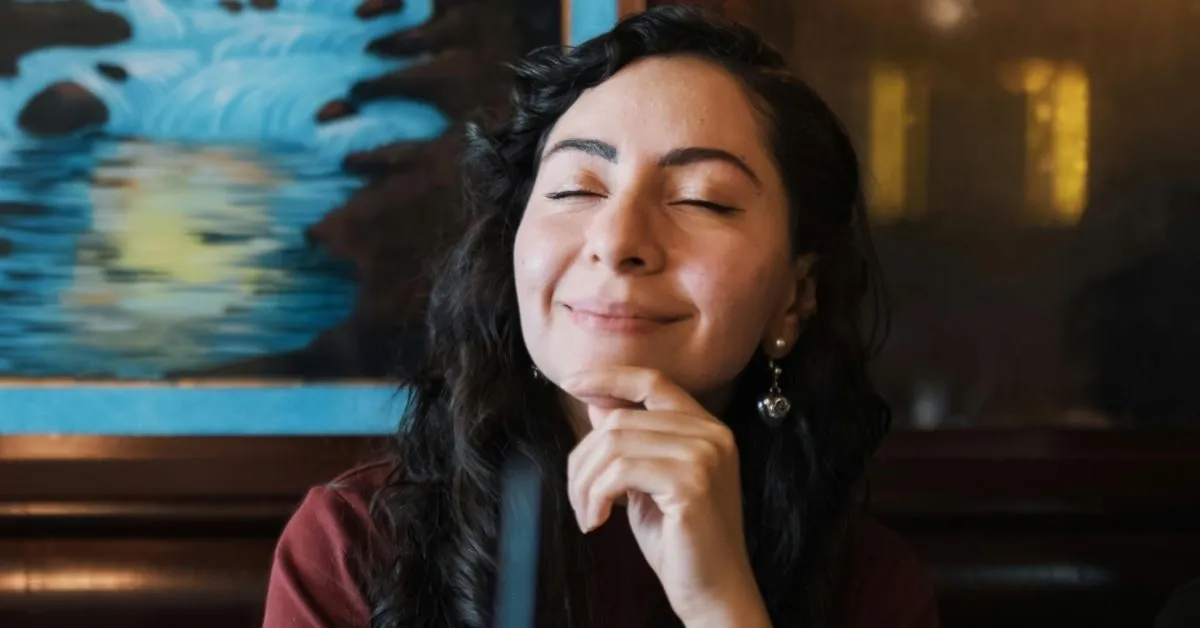

Understanding people can be tough. Sometimes someone snaps at you because they are upset, but other times it's because they believe in you and want you to do better. One situation might make you angry, while the other might make you feel humble or embarrassed. Or maybe they are just "hangry" and need a snack.
This is true for people we know well. But what about strangers, people with different political views, or those from very different backgrounds?
Philosophers suggest we need to be "charitable" to understand people and ideas from different backgrounds.
We're a new kind of news feed.
Regular news is designed to drain you. We're a non-profit built to restore you. Every story we publish is scored for impact, progress, and hope.
Start Your News DetoxCharity here doesn't mean giving money. It means seeing others in a good light, or seeing the best in them. This involves seeing people as "protagonists" — characters who are doing their best in their situation. Being charitable doesn't mean you have to agree with them. It means trying to find value in their point of view.
Of course, people and ideas don't have endless merit. We can make mistakes by not seeing the good in someone's view, or by seeing good that isn't really there.
The idea of charity suggests it's worse to miss the good in someone. This is because it stops us from getting along and learning from each other. By seeing the best in someone and their ideas, we can learn and work together. Protagonists are people we can learn from and cooperate with.
Taking People Seriously
It's easy to see the best in people we agree with. It's much harder with those who have different political views. Online political discussions often involve people accusing others of having bad motives. We see them as antagonists, not protagonists.

When we assume the worst about someone's ideas, we let ourselves off easy. We dismiss them instead of taking them seriously.
So, if charity means seeing the best in others, why are we often tempted to see the worst?
A deeper look at charity shows that seeing the best and worst in others are two sides of the same coin.
How We Interpret Others
Interpreting someone isn't just about their motives. Sometimes it's about telling what's important from what's just noise. If someone snaps at you, you could get angry or embarrassed. But sometimes, giving them a snack and moving on is the right choice. Our moods are affected by hunger, hormones, alcohol, and lack of sleep. Overthinking a snap after someone missed breakfast might be focusing on noise instead of the real issue.
Overlooking a small issue when someone is hangry can be the best way to see the good in them. If you see their snap as just a result of missing a meal, you don't see it as coming from them directly. Instead, you see it as a result of their situation. You judge them by how they handle their predicament, not by the fact they are hangry. This interpretation sees them in a more positive light by reducing their "agency."
Agency means how much credit someone gets for what they do. You have more agency for things you do on purpose. You have less if it was an accident, or if you snapped because you were hangry. However, you have more agency if you knew you get hangry and still skipped lunch.
Perfect people wouldn't be affected by hormones or hunger. They would always make rational choices. But humans are not perfect. So, understanding each other sometimes means seeing the good in someone, even if it means reducing their agency. This means balancing agency against the good.
However, you can't find the best in someone by just ignoring more and more bad things until only good is left. Your interpretation must match what they actually do and say.
Sometimes, the balance between agency and good shifts. We might see someone as having more agency but less good. If giving someone a snack calms them down, you might keep doing it. But one day, you might realize you're carrying snacks just for them. Then, a different idea might come to mind: maybe they're not just a moody friend, but someone using you for candy.
This creates "tipping points" for how we interpret others. When we cross this point, we might switch from seeing someone as an imperfect protagonist to an antagonist.
Charity Without a Cost
This suggests that sometimes it's right to see the worst in others. Sometimes people really are difficult, and understanding them means understanding their actions, not just their good qualities. Protagonists and antagonists are two sides of the same coin; the same process can lead us to either view.
Unfortunately, there's no simple test to know if you're seeing the best in others enough. There's no test we can all agree on, especially across political differences. Being charitable means looking hard for the good in someone. But what we consider "good" is often what we disagree about. So, we will likely disagree on who is being charitable enough.
Still, as a personal goal, a little more charity can make a big difference. We can be generous not just with money, but in how we interpret others. Unlike giving money, we don't lose anything when we try harder to see the best in someone else.
Deep Dive & References
- Seeing Other People as Protagonists - Aristotelian Society Supplementary Volume, 2022
- It's Worse to Make the First Kind of Error - Oxford University Press, 2020
- Balance Agency Against the Good - Journal of Experimental Social Psychology, 2021
- Tipping Points for Charitable Interpretation - Philosophers' Imprint, 2023