For anyone trying to shed a few pounds, the "cheat meal" often feels like a necessary evil. A glorious, calorie-dense reward for weeks of salad, followed by a crushing wave of guilt. But what if that guilt is actually the real problem, not the extra slice of pizza?
New research from Duke University suggests we've been fundamentally misunderstanding these planned indulgences, and that our mindset matters a whole lot more than the actual calories.
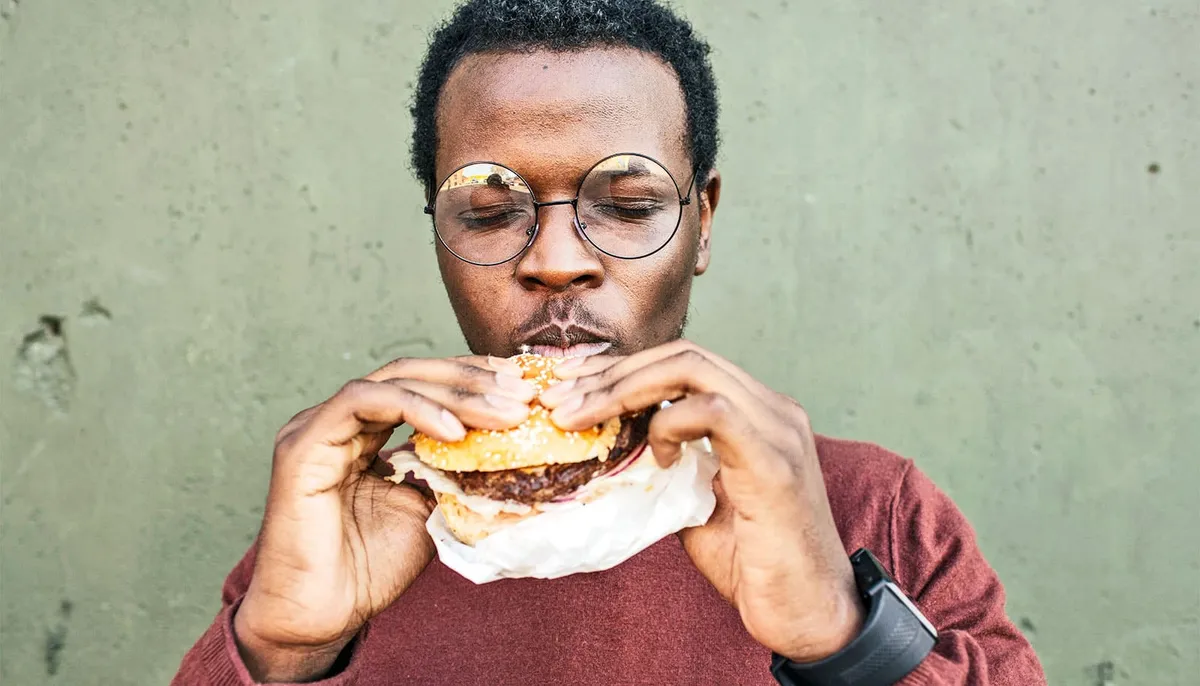
Eric Trexler, a fellow at Duke, points out that physically, one big dinner barely registers long-term. Your body isn't going to suddenly pack on ten pounds because you had a burger. Mentally, though? Labeling it "cheating" can trigger a spiral of shame, making you feel like you've blown your entire diet and might as well just keep going.
We're a new kind of news feed.
Regular news is designed to drain you. We're a non-profit built to restore you. Every story we publish is scored for impact, progress, and hope.
Start Your News DetoxThat's when one spontaneous "cheat meal" morphs into a "cheat weekend," which then casually strolls into a "cheat week." And suddenly, your diet isn't just derailed; it's somewhere in the next county, enjoying a second breakfast.
The Power of a Plan
The key, Trexler says, is intention. When that higher-calorie meal is a planned part of your eating strategy, it actually boosts motivation. It's a little voice telling you, "See? You can do this. You don't need to be perfect 100% of the time. Just good enough, most of the time."
There's a big difference, he notes, between enjoying a special holiday meal with family and staging a "food event" for the 'Gram. You know the ones: fitness influencers showcasing mountains of pancakes like it's a competitive sport. Researchers warn these social media spectacles can normalize binge-like behavior and completely warp our perception of normal eating.
And no, that cheat meal isn't magically boosting your metabolism enough to cancel itself out. "It's small compared to the large influx of calories," Trexler clarifies. So, don't use that as an excuse for the triple-decker nacho supreme.
The real danger isn't the meal itself, but what happens after. Turning one indulgence into a multi-day free-for-all, or, conversely, overcorrecting with extreme restriction and punishing workouts. Both patterns, he warns, echo the binge-restrict cycle seen in disordered eating. The ideal? Enjoy the meal, then just… return to normal eating.
Surprisingly, the science on "cheat meals" is thin, with Trexler's review finding only eight relevant papers. Which means we're all just out here winging it, apparently.
So, the takeaway: cheat meals aren't inherently good or bad. It's all about how intentional they are, how you think about them, and what you do next. Maybe ditch the "cheat" label entirely and call it what it is: planned flexibility. Because, as Trexler puts it, eating isn't just about fuel. It's social, it's cultural. And realizing you can enjoy one piece of cake instead of two? Now that's what we call progress.