
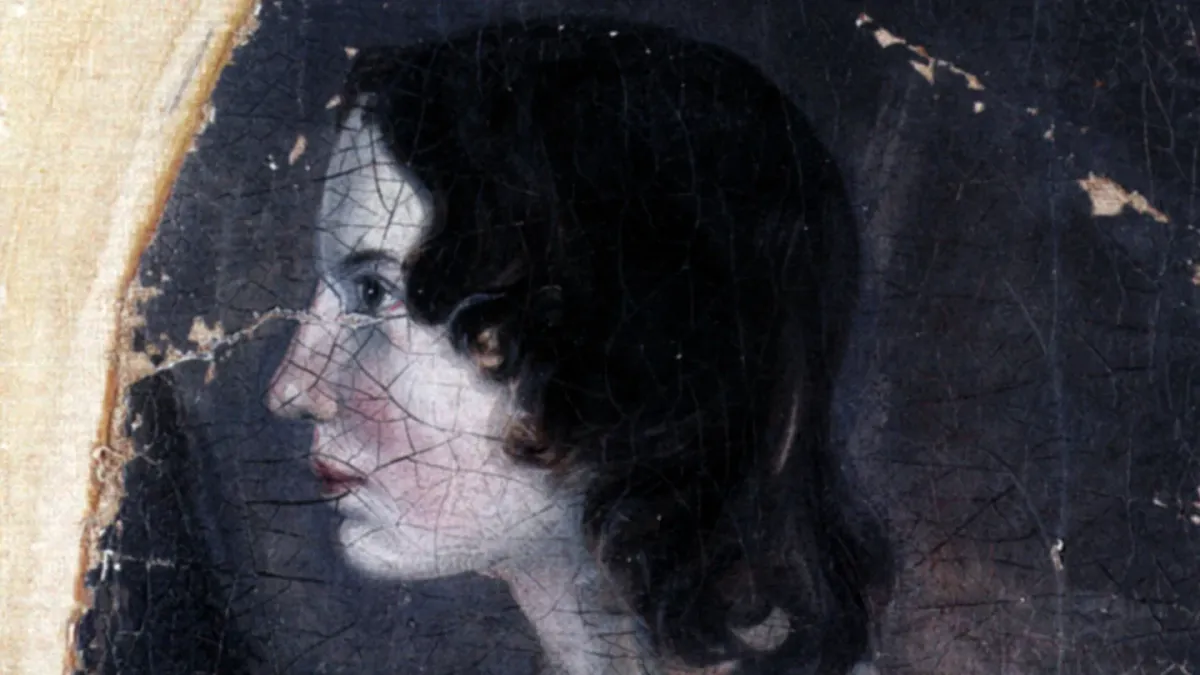
Emily Brontë never left much of herself behind. She died at 30, three months after her brother Branwell, both from tuberculosis. She left almost no letters about her inner life, no diary confessions, no love letters. Yet somehow she wrote Wuthering Heights—a novel so raw, so psychologically precise about human obsession and destruction, that readers have spent nearly 200 years trying to reverse-engineer where it came from.
The answer, it turns out, is written into the landscape around her.
Born in 1818 in Haworth, Yorkshire, Emily grew up in a rectory on the edge of the Pennine moors. Her childhood was shaped by loss—her mother died when she was three, her two older sisters when she was seven—but it was also shaped by freedom. The Brontë children were allowed to roam those windswept moors for hours, unsupervised and wild. That landscape seeped into everything Emily would later write. The moors in Wuthering Heights aren't just scenery. They're a character themselves: isolating, indifferent, beautiful in a way that doesn't comfort you.
The houses that became the novel
But Emily didn't invent from pure imagination. She borrowed from what she saw. Ponden Hall, a real house in West Yorkshire, appears to have inspired Thrushcross Grange—the Lintons' home in the novel. More strikingly, the guest bedroom at Ponden Hall mirrors the ghostly, claustrophobic bedroom scenes in Wuthering Heights, the ones that lodge themselves in your chest when you read them.
We're a new kind of news feed.
Regular news is designed to drain you. We're a non-profit built to restore you. Every story we publish is scored for impact, progress, and hope.
Start Your News DetoxHigh Sunderland Hall, now demolished, likely shaped the brooding Wuthering Heights estate itself. It was a Gothic mansion with strange inscriptions carved into its walls—the kind of place that whispered secrets to anyone paying attention.
What Emily didn't borrow from, or at least what she never revealed, was her own romantic life. Readers have speculated endlessly about whether she loved someone, whether Heathcliff and Cathy's destructive passion came from experience. The honest answer is: we don't know. Emily left almost nothing behind—no journals, no confessions, no evidence of romance. She was a teacher for brief periods, lived quietly in her father's house, and kept her interior life locked away.
This privacy, this refusal to explain herself, might be the most important thing about her. Wuthering Heights works precisely because it doesn't feel like a confession. It feels like something observed—the way obsession actually works, how love can turn into cruelty, how two people can destroy each other while remaining bound together. Emily saw these things in the world around her, in the relationships she witnessed, in the novels she read, in the stories her siblings told.
She transformed them into something that still, nearly two centuries later, makes readers feel less alone in their darkest thoughts.