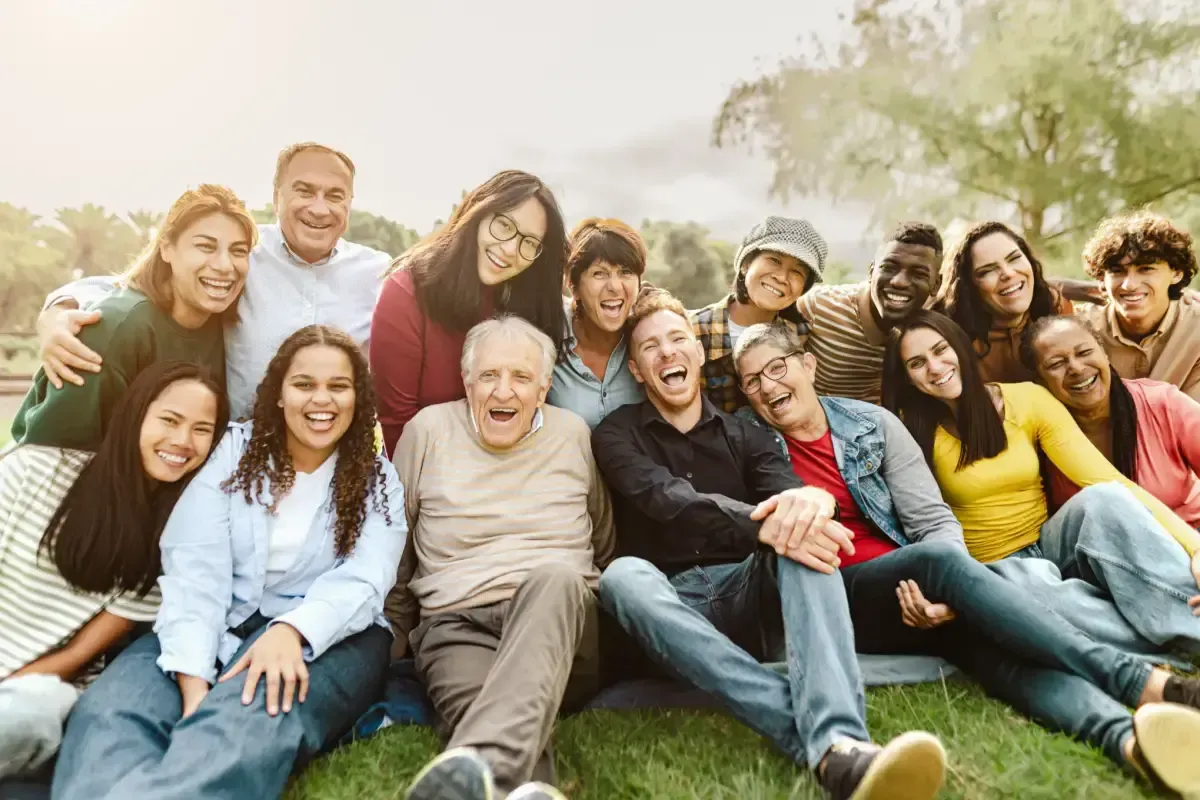
A few years back, Ren Yu had the kind of life that looked perfect on paper: productive, healthy, living in New York. The catch? He felt utterly disconnected. So, what's a person to do when the modern world feels a bit too... modern? Start a philosophy group, naturally.
No curriculum, no entry exam, just people gathering to chew on one idea at a time. Turns out, that's exactly what a lot of other New Yorkers were craving. What started in apartments quickly spiraled (in the best way) into the New York Philosophy Society, drawing hundreds nightly. Strangers rotated through small discussion circles at bars and restaurants, diving deep, then meeting someone new. Because apparently, that's where we are now: designing social events to replicate the kind of organic connection that used to just… happen.
These aren't networking events. People aren't showing up to perform. They're showing up to genuinely think together, to ask big questions about truth and purpose, and to be taken seriously by someone they just met. Ren's personal quest to feel known became a lifeline for countless others who felt exactly the same.
We're a new kind of news feed.
Regular news is designed to drain you. We're a non-profit built to restore you. Every story we publish is scored for impact, progress, and hope.
Start Your News Detox
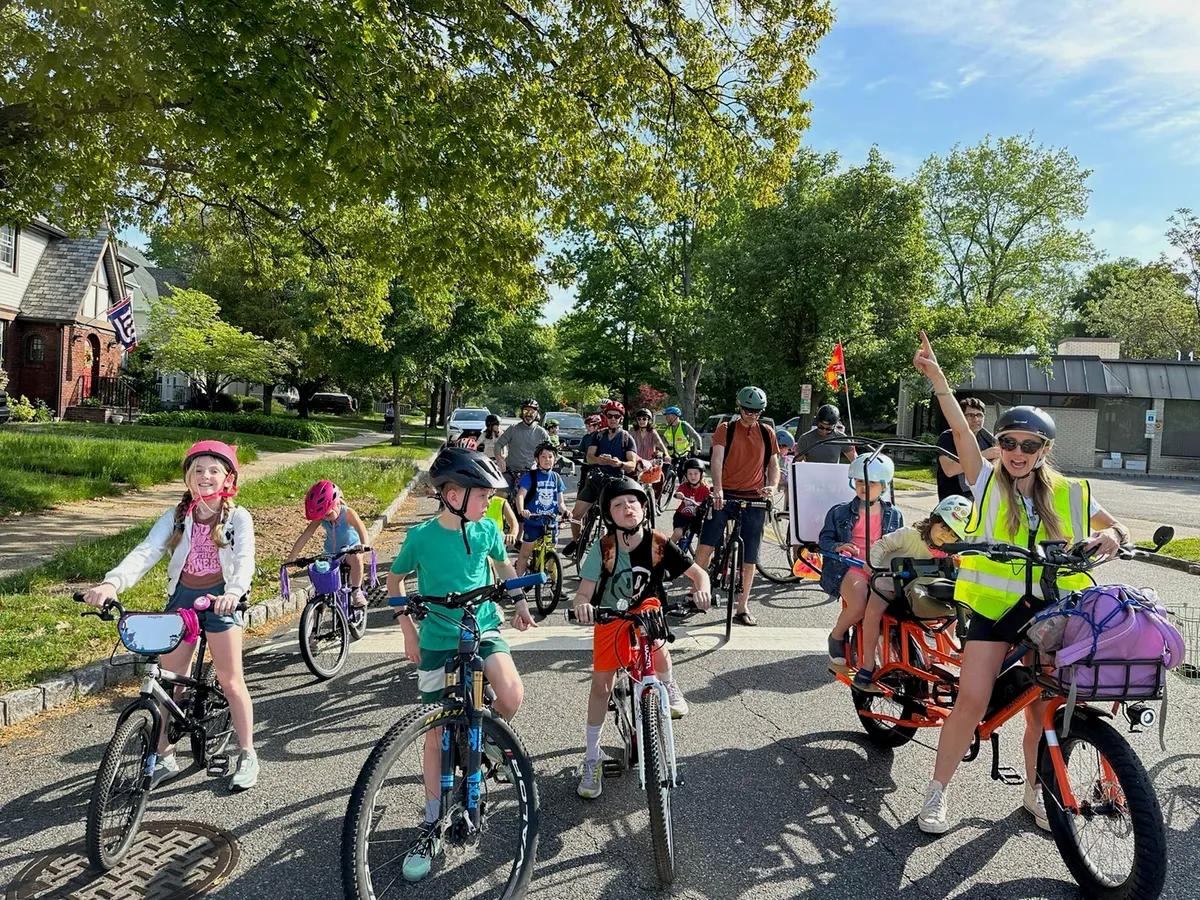
He's not alone in this accidental community-building. All over the country, people are creating these low-stakes gatherings: a yoga group that ballooned from 20 to hundreds in a park, a fitness group where friendships are forged over post-workout brunch, even community dinners where strangers swap stories that go way beyond the weather.
The Unsexy Secret to Connection: Just Do Something
Connection used to be baked into our daily lives. School, work, family — relationships just happened. But now? We move more, work remotely, and those organic opportunities have dwindled. So, connection has become an intentional act. And the answer, it seems, is "communities of play."
These aren't about competitive sports or board games (unless you want them to be). They're simply groups built around a shared activity. This is one of the "Six Points of Connection" from the U.S. Chamber of Connection, which sounds a lot more official than a bunch of strangers arguing about ethics over a beer. But it’s effective.
Researchers looked at over 2,000 adults in the U.S. and found that people regularly involved in activity-based communities are 28% more likely to report strong social support and 33% more likely to be satisfied with their lives. They trust people more, have more diverse friendships, and generally feel more in control. Let that satisfying number sink in.
So why aren't more people doing it? Only about 30% regularly join. It's not a lack of desire; it's the psychological hurdles: the awkwardness of showing up alone, the fear of not fitting in. Cost and time are factors, sure, but the biggest barriers are all in our heads.
This is where the genius of "activity-based communities" shines. They lower the pressure. You don't need to be ready to bare your soul; you just need to be ready to do something. Whether it's fitness, food, or, as one builder put it, "little weird things," the activity gets you in the door. The connection? That's the bonus round.
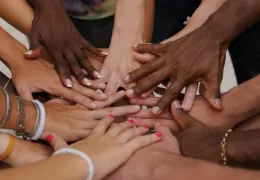
Experts like Stuart Brown have long pointed out that play is how humans build trust. It creates an openness, a shared attention that makes us more receptive to each other. When you move, create, or learn together, you start to synchronize. Emotionally, behaviorally — it's like a low-key, non-creepy mind meld.
One community builder nailed it: the activity is the invitation, not the main event. You show up for the yoga, you stay for the people.
The Unexpected Payoff for Everyone
These groups aren't just good for the participants; they're subtly rewiring how we relate to each other. Most builders report their groups bring together people of wildly different ages, races, backgrounds, and political views. This kind of "bridging social capital" — connecting different people — is becoming a rare commodity in modern life. It builds trust and resilience in society, which, if you think about it, is both impressive and slightly terrifying that a philosophy group can do that.
Many of these community builders didn't set out to be leaders. They just wanted to solve a personal problem: loneliness, a lack of belonging. By creating a space for others, they found a deeper purpose themselves. Imagine getting a handwritten note from someone saying your little group changed their life, pulled them out of isolation. That's the kind of stuff that rearranges your priorities.
It takes effort, sure. Many builders pour in unpaid time and energy, often feeling the tension between being a participant and being responsible for the whole thing. "I think at times I wish people knew what I’m putting into it," one admitted. Because making connection look effortless is actually a lot of work.
But the takeaway isn't that everyone needs to start a movement. It's that connection is more accessible than it seems. Start small. Make it repeatable. A weekly walk, a regular dinner, a shared interest group. The goal isn't instant best friends; it's creating a setting where familiarity can grow. Psychologists confirm: seeing the same people repeatedly, even casually, primes us for connection.
While big tech solutions chase the problem of disconnection, a quieter, more human path is emerging. People like Ren aren't waiting for a grand societal fix; they're just creating small, consistent spaces for others to gather. And platforms like Heylo, supporting over 20,000 such communities, show that this isn't just a quirky trend — it's a quiet revolution. If you want more connection, the first step might just be to build it yourself, and then invite everyone else.