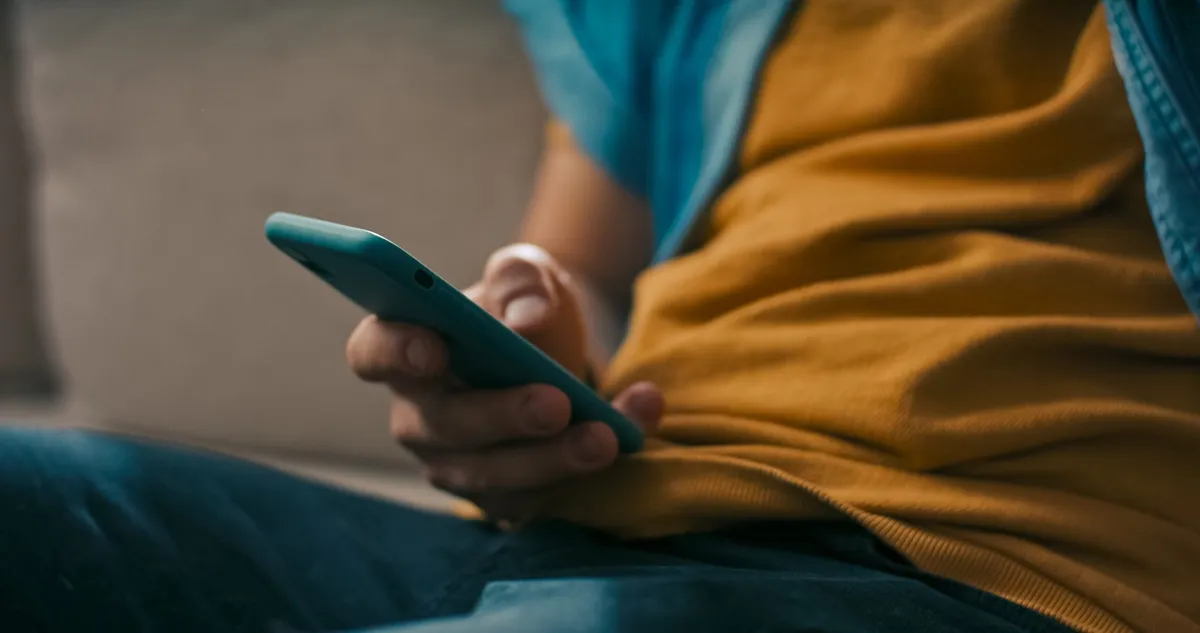
In December 2025, Gamit Vipul, 20, was scrolling through Instagram reels. He found a short video about a government pension for people with disabilities. Vipul, who has a motor disability, realized he was eligible. He just didn't know how to apply.
"I contacted the maker of the reel, Ripinbhai, and he helped me apply for it," Vipul said. "Within two months, I started receiving Rs 1000 [about $10]." He uses the money to buy books to prepare for a job exam with Indian Railways.
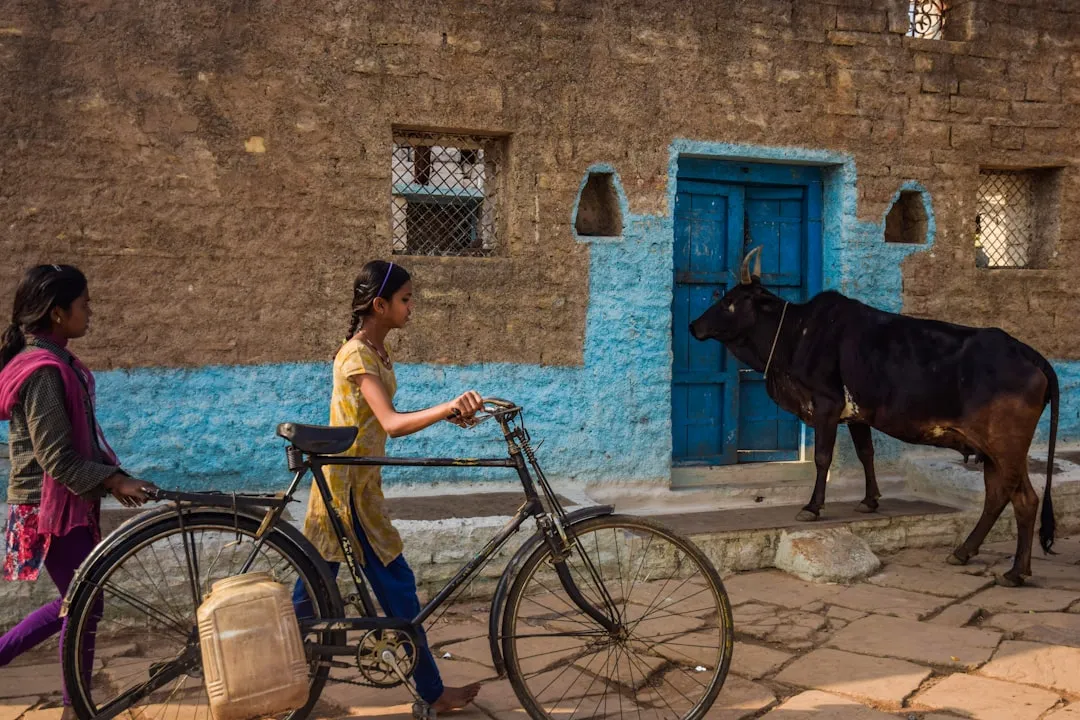
Gamit Mayank, 40, a flour mill operator, had a similar experience. "Our village is near a deep jungle, and so remote that sometimes I feel like I’m living on an island!" he said. "The reel made me realize I was eligible for pension, but without Ripinbhai’s help I’d never have been able to apply for it."
We're a new kind of news feed.
Regular news is designed to drain you. We're a non-profit built to restore you. Every story we publish is scored for impact, progress, and hope.
Start Your News DetoxBridging the Welfare Gap
Many people in India don't get the welfare they are entitled to. India's system aims to help vulnerable people with housing, pensions, education, and livelihood programs. However, getting these benefits can be hard. A 2023 audit found that only 32% of funds for construction workers' welfare in Gujarat were used. Across the country, much of the welfare money remains unused.
"Lack of information, lack of awareness, is definitely a huge reason for this," said Saswata Biswas, dean of the Institute of Rural Management in Anand. He noted that villagers often know about schemes but not if they qualify or how to apply.
Gamit Ripin, 33, saw this problem firsthand when he became the village head of Chikalda in 2022. Many in his village didn't know about government welfare schemes. Those who did were confused by the official language.
Traditionally, people in rural India relied on local officials, word-of-mouth, or commercial operators to understand schemes. But these methods weren't effective in Tapi, far from the state capital. Ripin started holding meetings, but not everyone could attend. He realized he needed a new approach.
Reels for Real Change
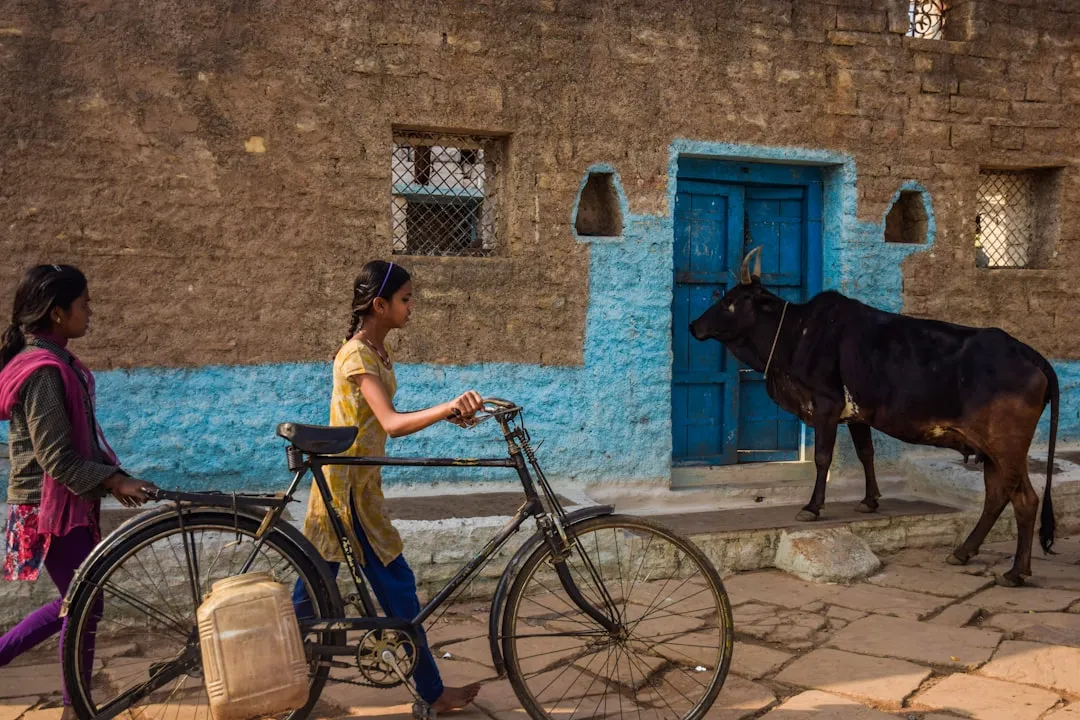
Ripin decided to reach people on social media. In July 2025, he filmed a one-minute video explaining a pension scheme for senior citizens. He posted it on Instagram. "Videos are accessible even to those who aren’t educated," he said. "Everyone was constantly watching reels anyway."
 Courtesy of Gamit Ripin
His idea worked. Biswas, an expert in public communication, found that rural audiences are often influenced by trusted community members. Online influencers are becoming more common.
India has the largest Instagram audience globally, with 480.55 million users as of October 2025. Ripin knew many elderly people don't use social media. But he hoped someone in their household would see the reel and tell them.
The impact was immediate. His videos got over 1.15 million views. Nearly 90% of viewers found them through Instagram's algorithm, not by following his account. "I estimate that over 1,000 people have been able to access government schemes after viewing my reels," he said. Many people have thanked him in person or online.
Ripin has now made over 50 reels. He reads long government documents and condenses complex rules into one-minute videos in simple Gujarati. People ask questions in the comments, and he responds. He clarifies doubts and even helps people apply offline, like he did for Vipul and Mayank.
 Courtesy of Gamit Mayank
These digital interactions are like traditional village community meetings. Ripin knows offline help is important, but social media lets him reach far more people.
The Future of Local Leadership
Ripin's method of combining digital outreach with on-ground support shows a new trend in Indian politics. In 2014, India's general elections were called the first "social media elections" because politicians used platforms to send direct messages to voters. Prime Minister Narendra Modi's use of social media is a model for continuous political communication. However, his campaigns are often one-way, focusing on awareness rather than conversations. Other initiatives, like Odisha's Ama Shasana, use WhatsApp to get feedback on public services.
In Chikalda, Ripin's reels have helped 17 people living below the poverty line get housing subsidies. Sixty widows received pensions, and many students got scholarships since July 2025. The state's chief minister recently sent Ripin a letter of appreciation.
"Now some government departments have started calling me directly to update me about new schemes and ask me to help publicize them," Ripin said. This work takes a lot of his personal time. He spends about two hours making a reel and sometimes makes five in a week. He also spends hours every evening responding to comments and questions.
Researchers like Manisha Pathak-Shelat at Ahmedabad's Mudra Institute of Communications are studying Ripin's work. She notes that he builds credibility by speaking directly to the camera and showing how to access schemes. However, she wonders about the long-term future of his project, especially since his term as village head is ending. Ripin says he will continue making videos, but the project's sustainability might need institutional support or a paid team.
Seven miles from Chikalda, Mayank scrolls on his phone while grinding wheat. Thanks to Ripin's reels, he got his disability pension and a motorized wheelchair. "I used to sometimes feel guilty about spending too much time watching reels," he said. "Not anymore."