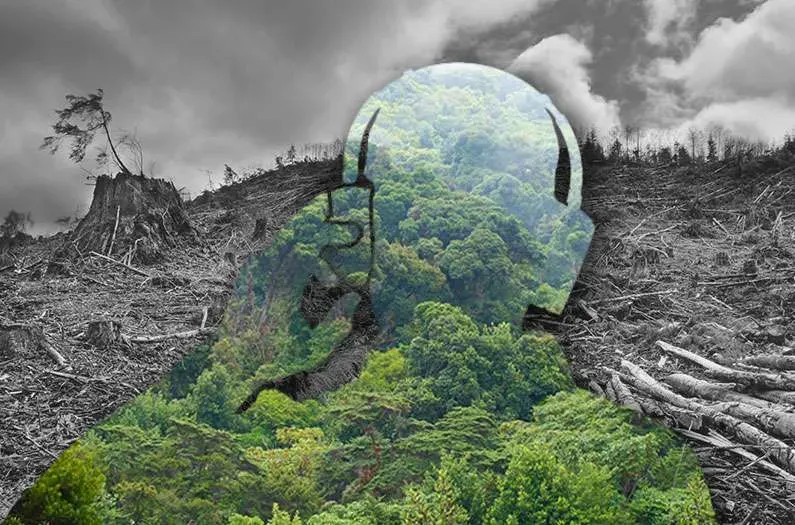
The Aravalli range stretches nearly 670 kilometres across northwestern India, from Gujarat to the edge of New Delhi. Older than the Himalayas, these mountains do something quietly essential: they block the Thar Desert from creeping eastward, refill groundwater aquifers that millions depend on, and keep temperatures from spiking as heatwaves intensify across the region.
But in November 2025, India's Supreme Court accepted a proposal that could unravel this protection. The new definition declares that only hills rising at least 100 metres above their immediate surroundings count as "Aravalli hills" worthy of legal protection. Everything else — the geological and ecological continuity that makes the range work as a system — falls outside the legal boundary.
What the Court's Decision Changes
The ruling came from India's Ministry of Environment, Forest and Climate Change. While the court did pause new mining leases temporarily, the elevation threshold means vast sections of the range now have weaker legal standing against mining, real estate development, and illegal encroachment. Environmental experts argue this misses the point entirely: the Aravallis function as an interconnected whole, not as isolated peaks.
We're a new kind of news feed.
Regular news is designed to drain you. We're a non-profit built to restore you. Every story we publish is scored for impact, progress, and hope.
Start Your News DetoxThe timing is brutal. Delhi and the surrounding National Capital Region are choking under severe air pollution and facing water scarcity. The Aravallis aren't a luxury — they're infrastructure.
Citizens Step In Where Law Falters
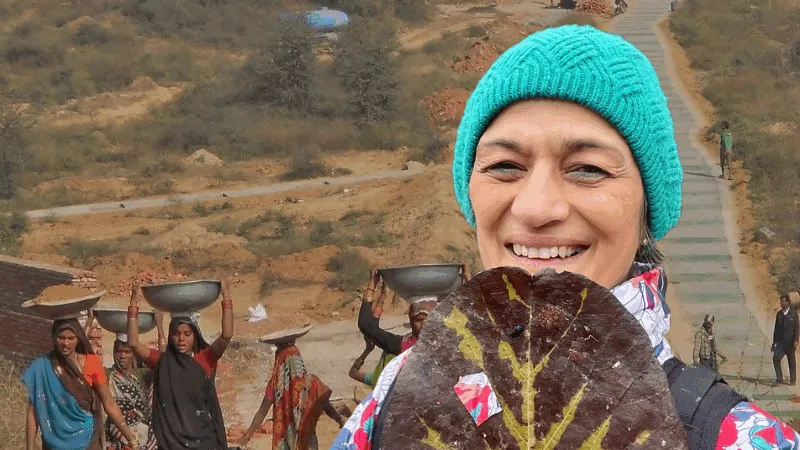
The response came from ordinary people. The Aravalli Bachao Citizens' Movement emerged as a grassroots effort to defend the range from the legal and physical threats closing in. What started as concerned residents has grown into thousands of citizens working across issues from forest protection to regional planning.
"For many of us who had lived in the city for years, this was the first time we realised how vulnerable the Aravallis were and how little we actually knew about them," says Anuradha P Dhawan, a co-founder. The movement sees itself not as a formal organisation but as defenders of shared ecological heritage.
They've documented what official channels haven't: despite court orders banning mining, illegal extraction continues. Mining operations run by what activists call "the mining mafia" operate with apparent impunity. Activists themselves have faced intimidation and arrest for their work.
Dhawan points to a gap between awareness and action: "Simple solutions like using drone surveillance to monitor mining hotspots haven't been implemented. Whether it's the government, the court, or even the system as a whole, it feels like there is a collective unwillingness to protect the Aravallis despite being aware of the consequences."
The movement is determined to continue. What happens next will depend on whether the legal system can be pushed to protect the Aravallis as the integrated ecological system they are — or whether the definition of "mountain" becomes narrow enough to permit their dismantling.