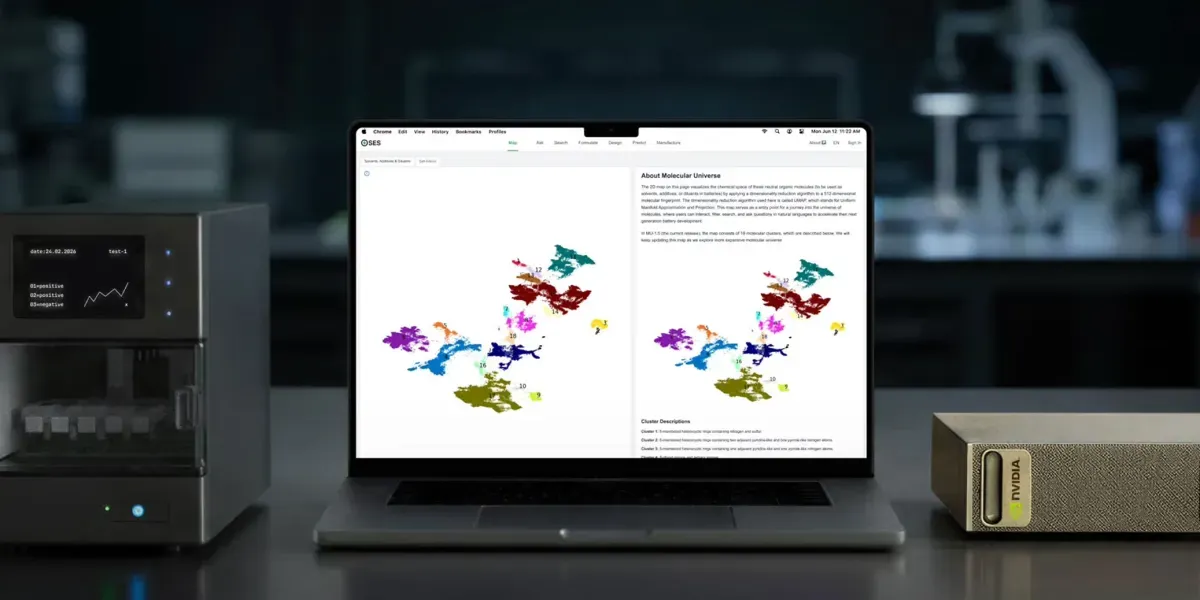
A company that once aimed to power your electric car is now making a wild pivot. SES AI, based in Massachusetts, used to be all-in on advanced batteries for EVs. Now, they're stepping back from making physical batteries for cars and focusing on something else entirely: AI that discovers new battery materials.
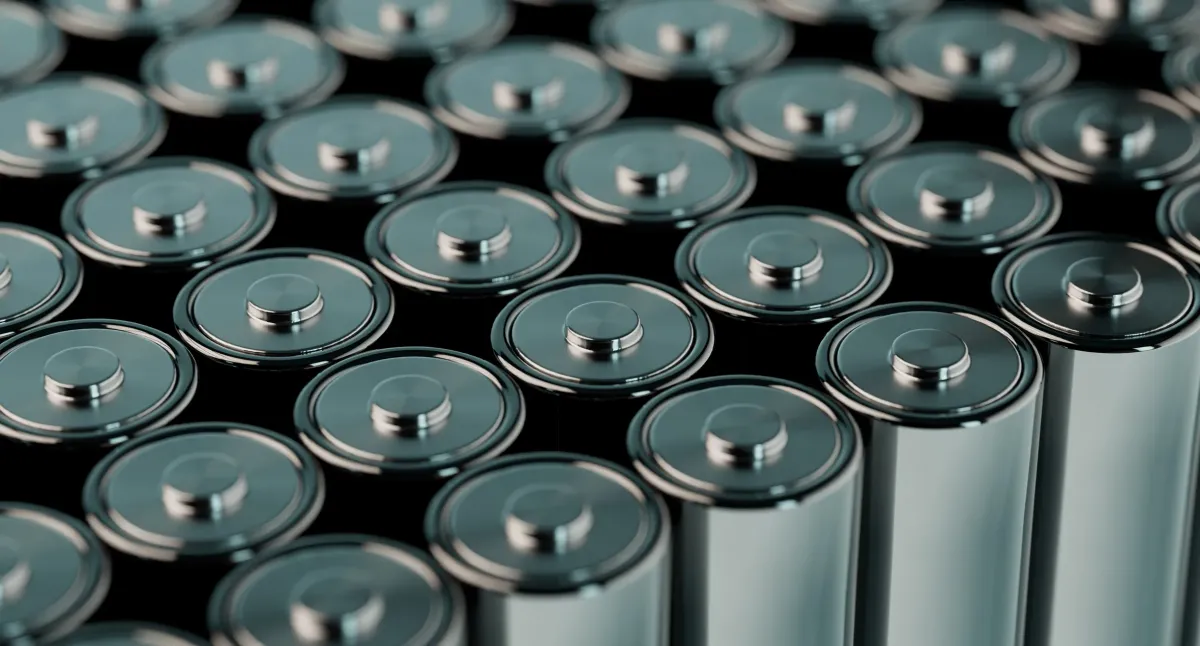
CEO Qichao Hu thinks many Western battery companies are struggling to keep up. So, SES AI is shifting its game. Instead of building millions of car batteries, they're now licensing their AI platform or selling the clever new materials it finds. They'll still make some batteries, but for smaller gigs, like drones.
From Secret Labs to AI Brains
SES AI's story started with Hu's research at MIT. He was trying to build batteries tough enough for oil and gas exploration — think super hot underground conditions, over 250°F. They landed on a solid polymer lithium metal battery, which packs way more energy than regular lithium-ion ones.
We're a new kind of news feed.
Regular news is designed to drain you. We're a non-profit built to restore you. Every story we publish is scored for impact, progress, and hope.
Start Your News DetoxThis tech led Hu to launch Solid Energy in 2012. After realizing oil exploration was a niche market, they turned their sights to the booming EV world. They tweaked their battery chemistry and set up pilot factories in Massachusetts and Shanghai.
By 2021, the EV battery scene was red hot. Major car makers like GM, Hyundai, and Honda jumped on board, hoping these lighter, more energy-dense batteries could power bigger vehicles like SUVs without adding tons of weight.
But then the EV market hit a speed bump, especially in the US. Funding got tighter, and tax credits are phasing out. That's why Hu and his team needed a new plan.
The AI That Finds Hidden Gems
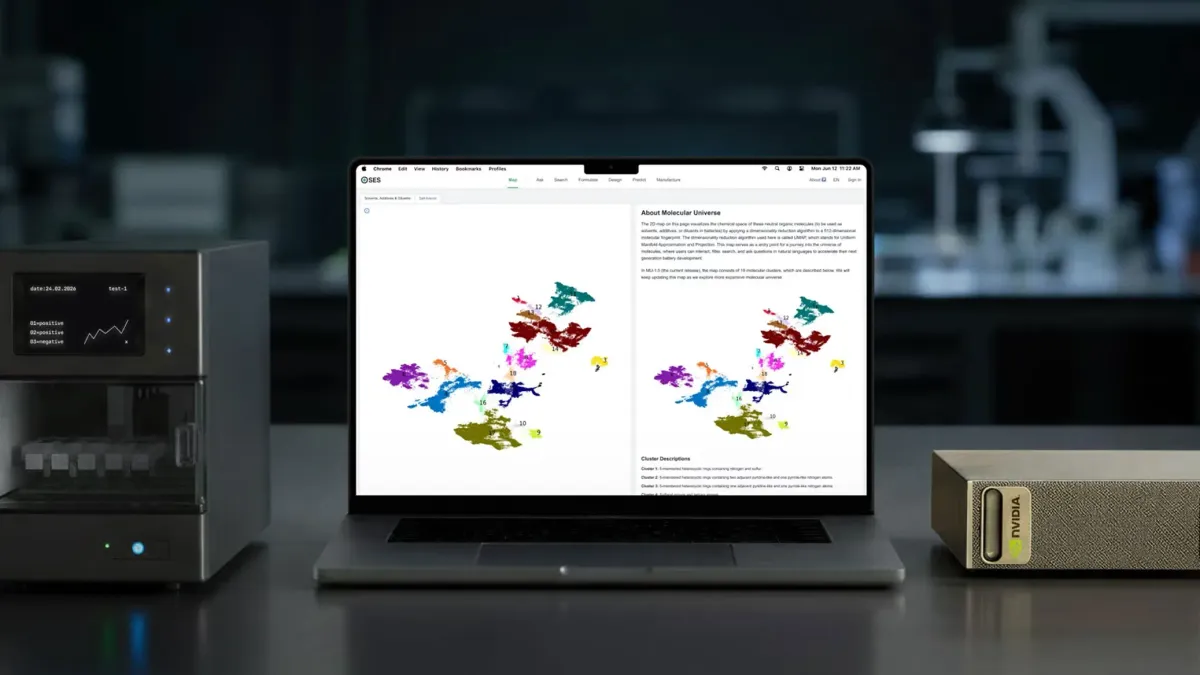
Their big bet is an AI platform called Molecular Universe. Think of it as a super-smart chemist that can explore billions of potential compounds. SES AI wants to license this software to other battery makers, or just sell the new materials it uncovers.
And it's already working. The platform has found six new electrolyte materials. One cool discovery: an additive that could make silicon-anode batteries last much longer. Silicon anodes are great for packing energy, but they tend to swell and degrade over time. The industry often uses a compound called FEC to protect them, but FEC can release harmful gases at high temperatures.
Molecular Universe found a new compound that does the same protective job as FEC, but without the gassy side effects. That's seriously clever.
Hu believes SES AI's years of deep battery knowledge — all that data from making and testing — is what makes their AI so powerful. It's not just the AI model; it's the brainpower behind the data feeding it. And by not making physical batteries, they can scale up and make money much faster.
Not everyone is convinced this AI-driven materials discovery is the immediate answer to the battery industry's woes. Some experts, like Kara Rodby at Volta Energy Technologies, wonder if new materials are really the main thing holding battery progress back right now. But if this AI can find the next big thing, it could change how we power everything.