The World Monuments Fund is putting $7 million toward preserving 21 heritage sites across the globe in 2026, from earthquake-damaged temples in Japan to centuries-old cemeteries in New Orleans. The commitment arrives as climate change, tourism pressure, and natural disasters increasingly threaten the places that hold cultural memory.
Founded in 1965, the New York-based organization identifies sites on the brink of loss through its biannual World Monuments Watch List. This year's selection includes 25 locations facing specific threats—everything from rising water tables to visitor overload to armed conflict. The new funding extends beyond the list to support additional projects where preservation work is most urgent.
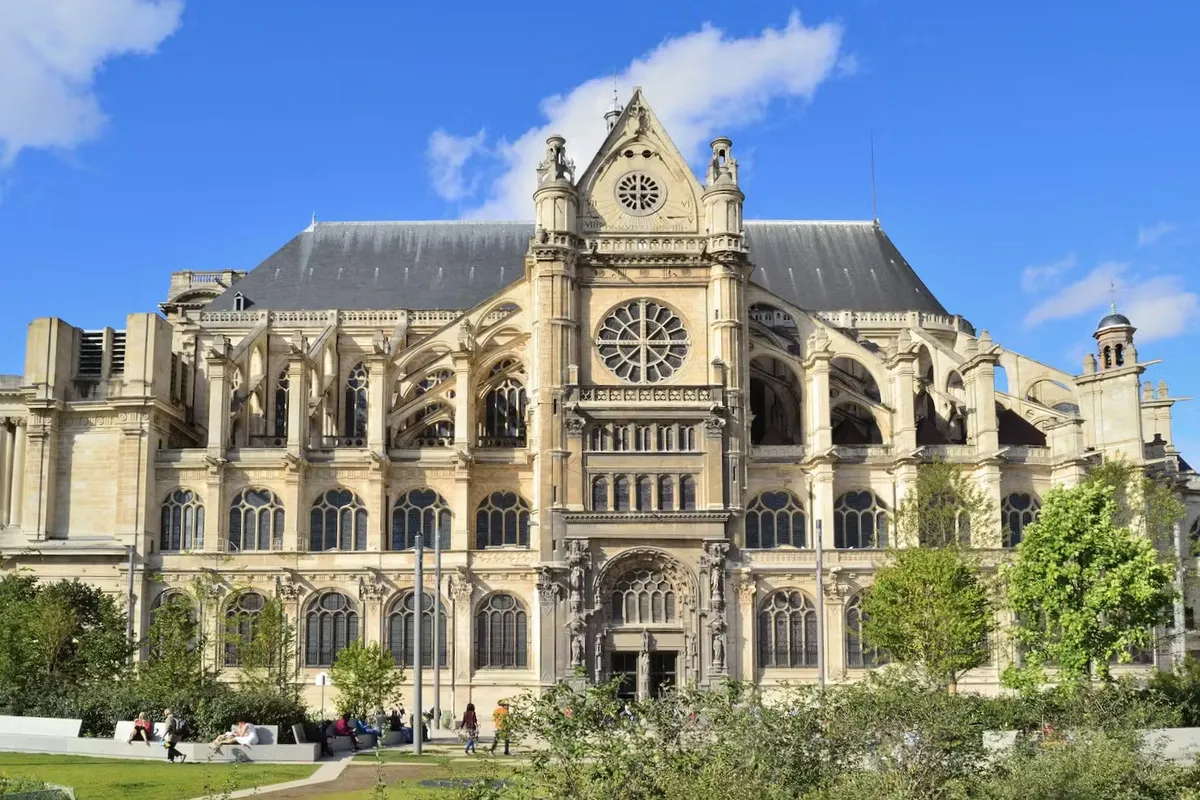
The projects themselves show the breadth of what heritage protection means in practice. In Paris, conservators will work to preserve Renaissance murals at the Church of Saint-Eustache. In New Delhi, teams are restoring the Mughal gardens at Safdar Jang's Tomb, a 18th-century monument that had fallen into disrepair. Japan's Noto Peninsula, struck by earthquakes in 2024, will receive support for rebuilding damaged structures that anchor local identity.
We're a new kind of news feed.
Regular news is designed to drain you. We're a non-profit built to restore you. Every story we publish is scored for impact, progress, and hope.
Start Your News DetoxBut the funding isn't just about bricks and mortar. The WMF is equally invested in the people stewarding these sites. In New Orleans, the organization is training local workers to care for Saint Louis Cemetery No. 2, one of the oldest African American burial grounds in the country. At Bear's Ears National Monument in Utah, funding will support programs that balance public access with Indigenous leadership—acknowledging that heritage protection works best when it's rooted in community knowledge, not imposed from outside.
The organization is also launching "Irreplaceable America," a new initiative pairing the WMF with 10 U.S. heritage sites as the country marks its 250th anniversary. The timing signals a shift in how we think about preservation: not as nostalgia, but as essential infrastructure for cultural continuity.
The funding comes from a constellation of foundations and corporate partners—the AXA Foundation for Human Progress, Accor, the Robert W. Wilson Charitable Trust, and others—suggesting that heritage protection is increasingly seen as a shared responsibility across sectors.
As climate impacts accelerate and tourism pressure mounts, the real question isn't whether we can afford to protect these sites. It's what we lose when we don't.