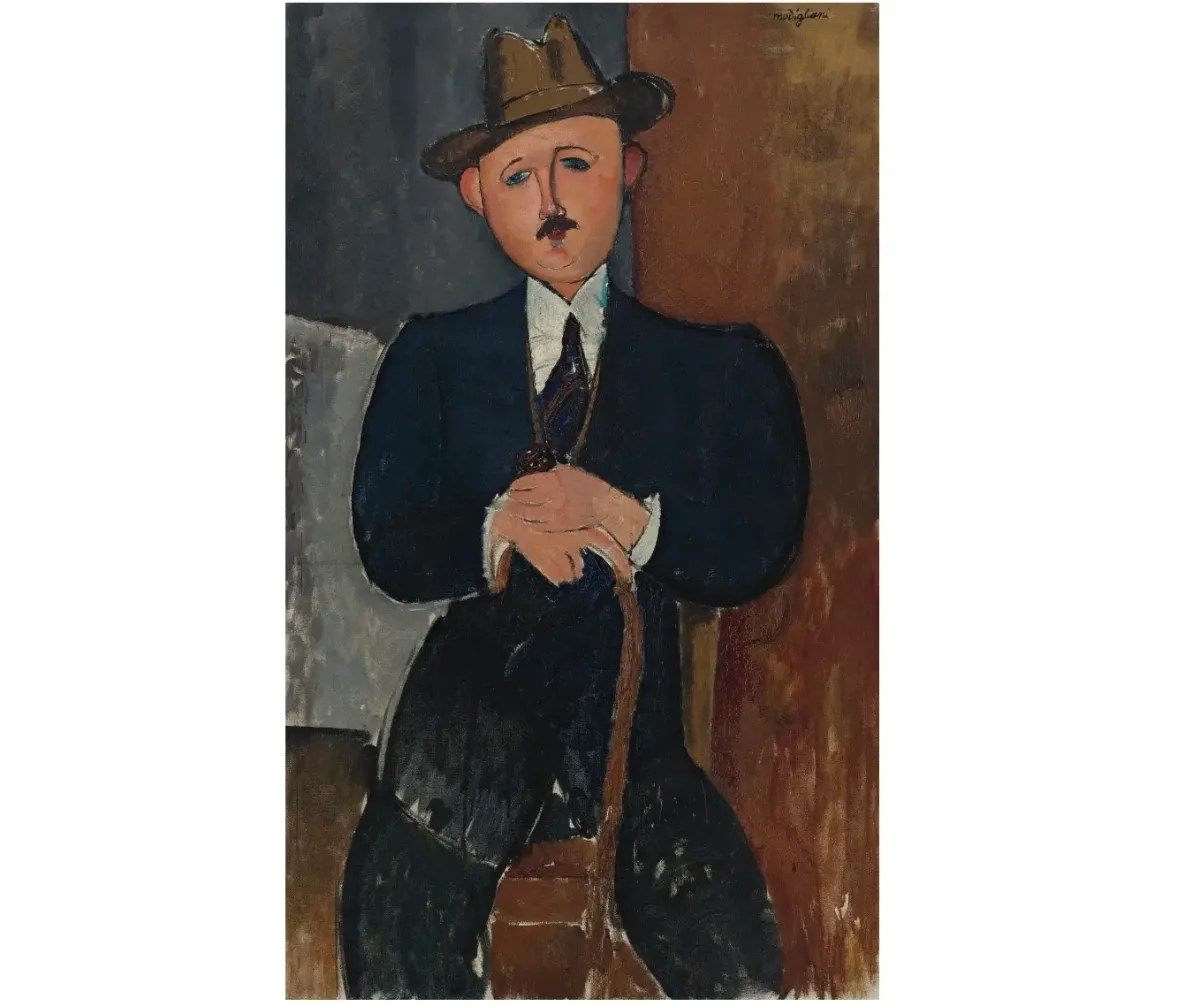
After an 11-year legal battle that might make a snail look speedy, a New York judge has finally dropped the gavel on a dispute over a priceless Modigliani painting. The verdict? Billionaire art dealer David Nahmad and his family have to hand it over. It's going back to the heirs of its original Jewish owner, from whom it was stolen during World War II. Yes, stolen.
The painting in question, Seated Man With a Cane (1918), will now officially belong to the estate of Oscar Stettiner. Stettiner, a Jewish art dealer himself, was forced to flee Paris from the Nazis, leaving his art collection behind. The court's finding was pretty clear: the painting was taken illegally. Which, if you think about it, is putting it mildly.
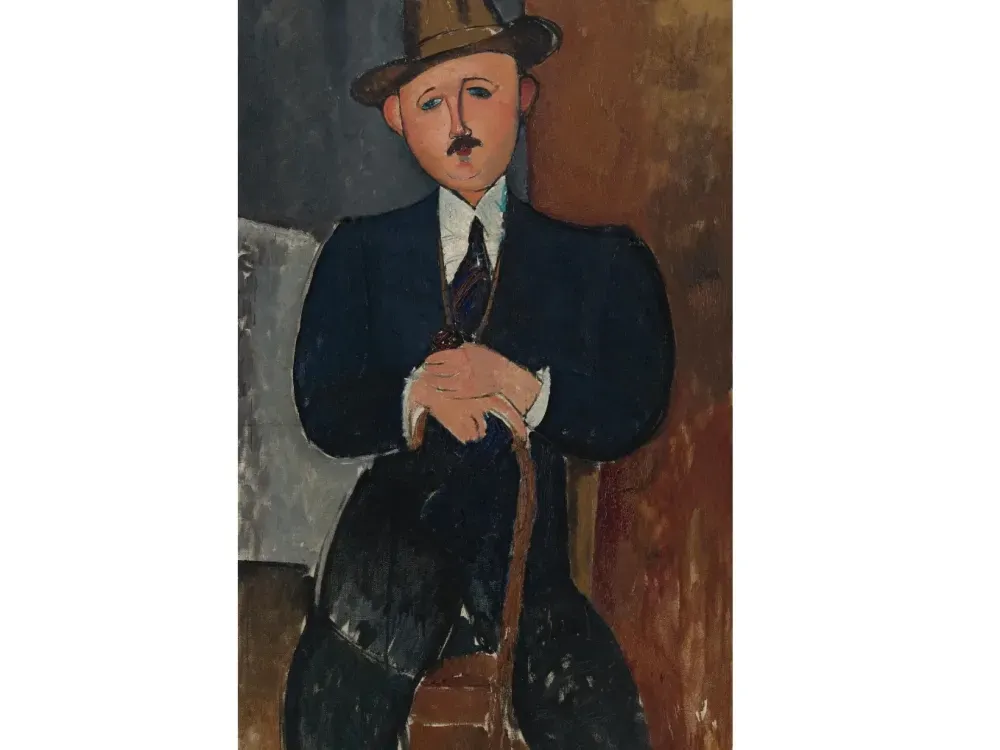
Judge Joel M. Cohen didn't mince words. He stated that Stettiner owned the painting and never willingly gave it up. He also noted, rather pointedly, that the Nahmad family couldn't provide any evidence that anyone else owned it. Let that sink in for a moment.
We're a new kind of news feed.
Regular news is designed to drain you. We're a non-profit built to restore you. Every story we publish is scored for impact, progress, and hope.
Start Your News DetoxThis ruling is a monumental win for Stettiner's grandson, Philippe Maestracci, who has been trying to get this painting back since 2011. He teamed up with Mondex, a company that specializes in recovering stolen art. The painting, by the way, is currently valued at over $25 million. It was purchased by International Art Center — a company with rather strong ties to the Nahmad family — at a London auction in 1996.
The Paper Trail and the Panama Papers
The Nahmads' lawyers tried to poke holes in the painting's ownership history, arguing that gaps in its "provenance" created doubt. The New York court, however, was not convinced. It found a mountain of evidence supporting Maestracci's claim, including pre-war exhibition records and post-war restitution documents that firmly connected the Modigliani to Stettiner.
The judge also took a moment to critique the rather "flawed" ownership story presented when the painting first surfaced at Christie’s in 1996. He noted that inaccurate provenance often serves as a convenient smokescreen for the true, often grim, origins of Nazi-looted art. Because apparently, that's where we are now.
The case got even more tangled thanks to the painting's somewhat shadowy ownership. For years, Nahmad claimed the painting belonged to an offshore company, International Art Center, not to him personally. This claim came under serious scrutiny after the 2016 Panama Papers leak, which, perhaps unsurprisingly, revealed direct links between the Nahmad family and the holding company.
While the court acknowledged that Nahmad might have bought the painting in good faith in 1996, its wartime looting history ultimately cemented the Stettiner family's claim. James Palmer, founder of Mondex, shared Maestracci's reaction with the New York Times: he's "overwhelmed with joy." Palmer added that they expect the painting to be returned now that the court order is official. After 11 years, it's about time.