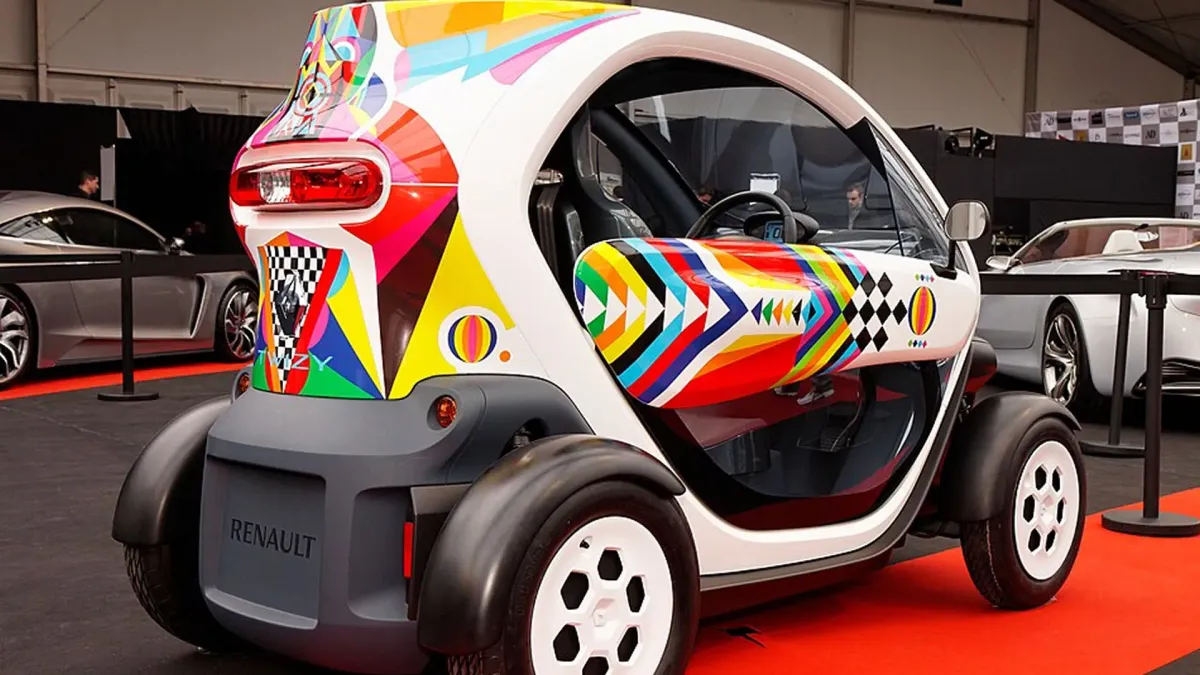
A UK team took a discontinued Renault Twizy—a featherweight urban runabout originally designed for 30 mph city trips—and transplanted the powertrain from the world's most powerful electric motocross bike. The result: a 992-pound vehicle that now produces more torque than a Lamborghini Aventador.
The Twizy started life as a practical joke on four wheels. Renault built it as a lightweight quadricycle with a 17-horsepower motor, perfect for navigating congested European city centers. It weighed around 992 pounds and came with a modest 220-pound battery pack. Functional, efficient, forgettable.
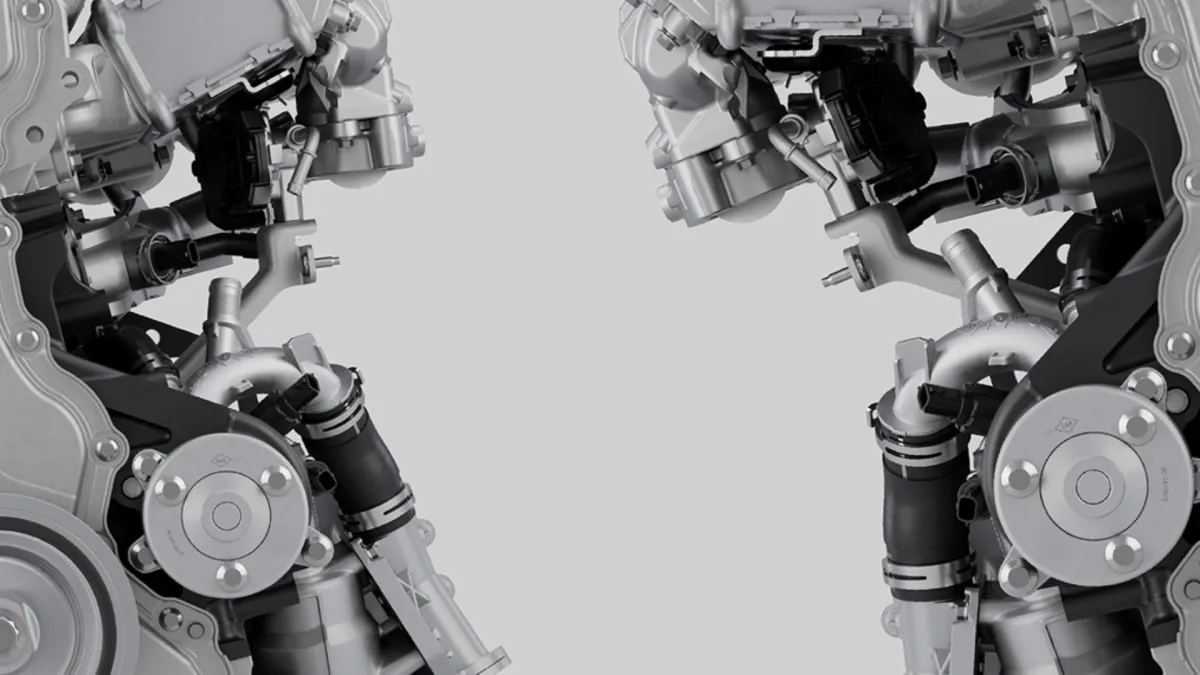
DM Performance, the UK-based engineering team behind the rebuild, saw something else: potential. They sourced the powertrain from a Stark Varg, an electric motocross bike that sits at the top of its category. The Varg's 80-horsepower motor and 70-pound battery pack represented a 400% boost in raw power. But the real story is in the torque—692 lb-ft of it, instantly available from a standstill.
We're a new kind of news feed.
Regular news is designed to drain you. We're a non-profit built to restore you. Every story we publish is scored for impact, progress, and hope.
Start Your News DetoxTo put that in perspective: a Lamborghini Aventador produces 509 lb-ft. A Tesla Model S Plaid, 660 lb-ft. This tiny Twizy, originally conceived as urban commuter furniture, now matches or exceeds some of the world's most expensive performance cars.
The Engineering Puzzle
Transplanting a motorbike motor into a quadricycle wasn't a bolt-on job. The team stripped the original rear motor cradle and engineered a custom chain-drive system to replace the Twizy's direct-drive setup. They fabricated a custom stainless steel differential casing and filled it with high-pressure grease to handle the dramatically increased torque loads—loads the original components were never designed to see.
The Varg's lighter battery didn't just save weight; it offered better capacity and faster discharge rates, improving the power delivery. To keep the vehicle from flipping when that much torque hit the pavement, they installed Maxpeedingrods coilovers to lower the center of gravity and reduce rollover risk.
When tested in a 100 mph drag race against an Audi S1 Quattro, the modified Twizy won. It also spent an afternoon doing donuts around a parked Aventador—not because it's faster in a sustained race, but because electric motors deliver maximum torque instantly, and a 992-pound vehicle with 692 lb-ft of torque at zero rpm is a genuinely unusual thing.
What DM Performance has created is a proof of concept with a sense of humor. The beefed-up Twizy wouldn't keep pace with a supercar over distance, and it was never meant to. Instead, it's a tire-shredding demonstration of what happens when you pair modern electric torque with a lightweight platform. It suggests that the real performance revolution isn't just about speed—it's about how quickly you can access that speed, and what happens when you do it in a vehicle originally designed for parking lot speeds.