Making a movie usually takes a long time, but some films are made very quickly. These productions did not have endless takes or time to overthink every shot. Yet, they became some of the most famous movies ever.
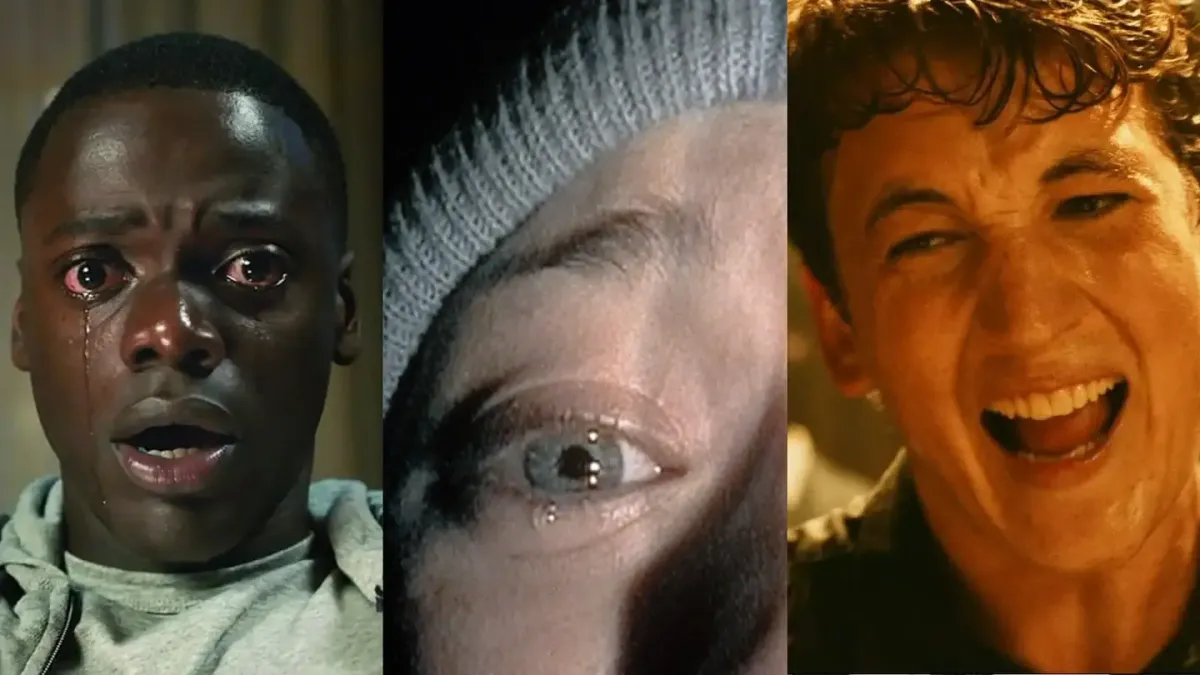
From horror films like Get Out to Oscar winners like Whiplash, here are seven movies filmed in less than a month. They show that being efficient can still lead to lasting success.
The Blair Witch Project (1999)
This low-budget horror film became very important in the 1990s. It helped define "found-footage" movies. The actors filmed it themselves in the Maryland woods. They improvised their lines, and the crew was small. The movie focused on making things feel real and uncertain.
We're a new kind of news feed.
Regular news is designed to drain you. We're a non-profit built to restore you. Every story we publish is scored for impact, progress, and hope.
Start Your News DetoxThe film's atmosphere was very convincing. A clever marketing campaign used "missing persons" posters and fake police reports. Many people wondered if the movie was real. The film was shot in just eight days. Writer-directors Daniel Myrick and Eduardo Sánchez then spent eight months editing it. They turned their limits into a powerful creative tool.
Get Out (2017)
Jordan Peele's first movie was a big hit and changed modern horror. It mixed social commentary with psychological suspense. His careful planning helped make it so unsettling.
Much of the film happens in one main place, the "house of horrors." It used a strict shot list and focused on everyday fears and sharp, subtle humor. Get Out was filmed in 23 days. This fast pace fit its simple structure perfectly.
Whiplash (2014)
Whiplash is about a young drummer in a tough jazz school. His instructor pushes him beyond his limits, almost to obsession. Miles Teller plays Andrew, a student who wants to prove himself where only perfection is good enough.
Damien Chazelle filmed the movie on a tight schedule that matched its intensity. It needed great precision from a small, well-run production. Every performance and cut shows that pressure. The entire film was finished in just 19 days.
Birdman (2014)
Alejandro G. Iñárritu’s Birdman follows an aging actor trying to make a comeback on Broadway. In the film, reality and performance start to blend. The two-hour movie looks like one continuous shot. This technique required constant movement and coordination from everyone.
To create this illusion, the filming was very disciplined. It used long, unbroken takes, leaving little room for mistakes. The production finished in just over three weeks. Every scene was carefully planned to keep the film flowing smoothly. This approach helped the movie win four Academy Awards, including Best Picture.
Locke (2014)
Locke takes place almost entirely inside a moving car. It focuses on the basics of filmmaking: acting, voice, and timing. Tom Hardy carries the whole film through a series of phone calls that happen in real time. There are no traditional set changes.
The production fully embraced this simple style. Filming was completed in just eight days. The result is a thriller built almost entirely on momentum.
The Little Shop of Horrors (1960)
Before it became a musical and a remake, The Little Shop of Horrors was a quick black-and-white horror-comedy. It was made under extreme limits. Directed by Roger Corman, it was built for speed as much as for storytelling.
Filming started and ended within three days. It used minimal sets, reused lighting, and a production style focused on efficiency, not perfection. The film shows a loose quality that reflects its low-budget beginnings.
Before Sunset (2004)
Richard Linklater’s Before Sunset is a sequel to Before Sunrise. It happens in real time as two former lovers meet again for an afternoon in Paris. The film feels natural because it shows long walks and talks throughout the city, with very long takes.
This natural feeling also carried into the production. Filming finished in a little over two weeks. This kept the spontaneity of the conversations and the sense of time passing.
Deep Dive & References
11 Bloodthirsty Facts About Little Shop of Horrors - Mental Floss 15 Facts About Before Sunrise - Mental Floss 10 Fast Facts About Get Out - Mental Floss 10 Fascinating Facts About J.K. Simmons - Mental Floss 17 Found Facts About The Blair Witch Project - Mental Floss Box Office Flops That Won Oscars - Mental Floss