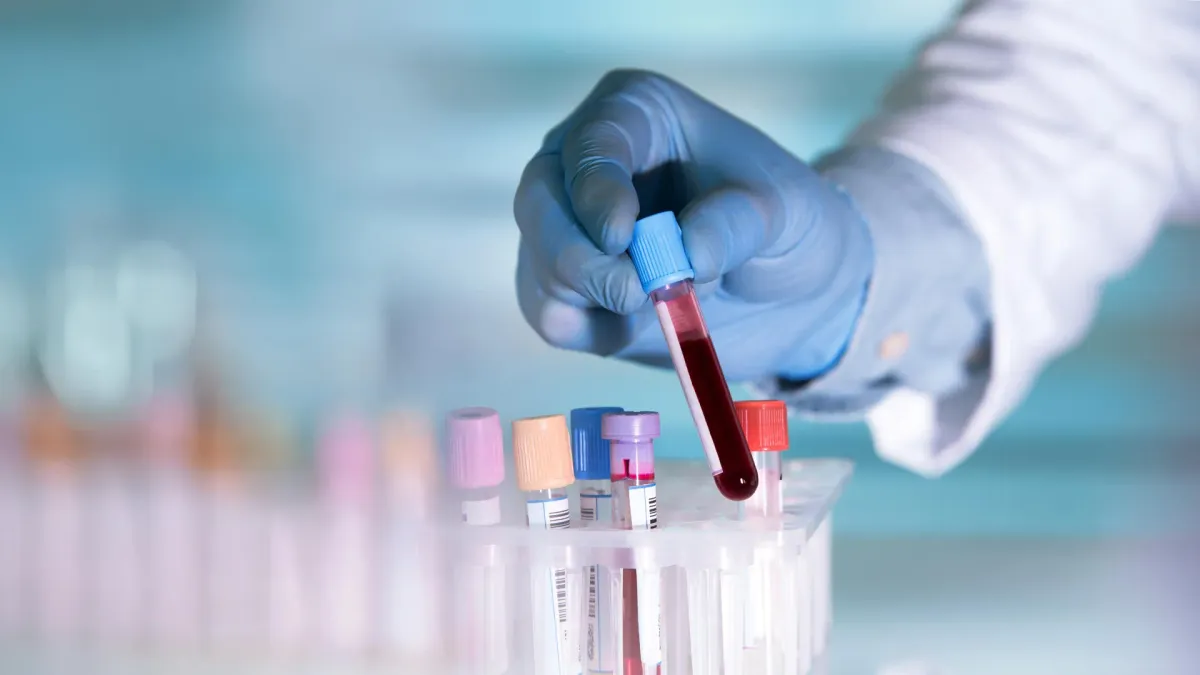
A simple blood test can now reveal who will develop Crohn's disease years before the first symptom shows up—and researchers believe it might eventually prevent the disease entirely.
The discovery comes from Sinai Health, where Dr. Ken Croitoru's team identified a pattern in how the immune system responds to flagellin, a protein found on certain gut bacteria. People who later develop Crohn's disease show elevated antibodies to this protein long before their digestive system starts to fail. The finding is significant because it suggests the immune response may actually trigger the disease, not simply react to it—which opens a door to intervention that's never existed before.
Why This Matters Now
Crohn's disease is a chronic inflammation of the digestive tract that turns daily life into something unpredictable and exhausting. Pain, digestive problems, fatigue—it compounds over years. The disease has been accelerating: rates in children have doubled since 1995, and Canada alone projects nearly half a million people living with inflammatory bowel disease by 2035. Once symptoms start, damage is often already underway. Catching it years in advance changes everything.
We're a new kind of news feed.
Regular news is designed to drain you. We're a non-profit built to restore you. Every story we publish is scored for impact, progress, and hope.
Start Your News DetoxThe research comes from the GEM Project, an international study tracking over 5,000 healthy relatives of people with Crohn's disease. This matters because having a family history puts you at genuine risk, yet most people never know until symptoms arrive. The team followed 381 of these relatives over time. Seventy-seven eventually developed Crohn's disease. Among them, more than a third had shown elevated flagellin antibodies years earlier—a clear signal.
On average, people were diagnosed nearly two and a half years after their initial blood test. That's not just a number. That's time to act.
What Comes Next
Dr. Sun-Ho Lee, part of the research team, notes that the immune response targets a specific part of the flagellin protein—which means it could be used to design a targeted vaccine for high-risk individuals. The work is still in validation stages, but the logic is straightforward: identify who's at risk before symptoms emerge, then intervene before the disease takes hold.
This is early-stage research, and prevention vaccines are still being studied. But for the first time, doctors have a way to see Crohn's disease coming.