Scientists have found something unexpected: breast cancer disrupts the brain's internal clock before tumors even become detectable. And restoring that rhythm—without any anti-cancer drugs—can shrink tumors significantly.
The discovery centers on stress hormones like cortisol, which follow a natural rise-and-fall pattern throughout the day in healthy people. "The brain is an exquisite sensor of what's going on in your body," says Jeremy Borniger, an assistant professor at Cold Spring Harbor Laboratory. "But it requires balance. Neurons need to be active or inactive at the right times. If that rhythm goes out of sync even a little bit, it can change the function of the entire brain."
In research published in Neuron, Borniger's team showed that in mice with breast cancer, tumors flatten this natural hormone pattern within just three days—before the tumors are even large enough to feel. The flattened rhythm correlates with worse quality of life and higher mortality rates. In humans, this same disruption has been linked to insomnia and anxiety, both common complaints among cancer patients.
We're a new kind of news feed.
Regular news is designed to drain you. We're a non-profit built to restore you. Every story we publish is scored for impact, progress, and hope.
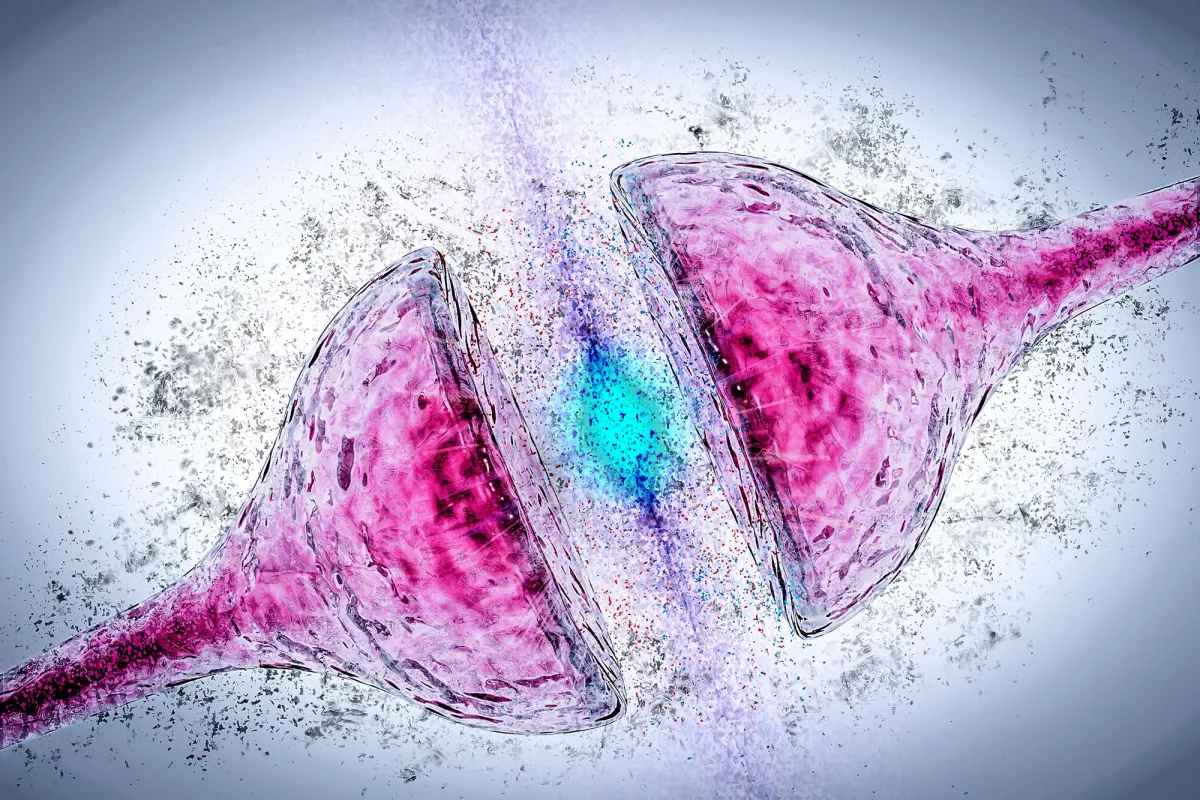
Start Your News DetoxThe mechanism involves the HPA axis, a tightly coordinated feedback system connecting the hypothalamus, pituitary gland, and adrenal glands. When cancer throws this system out of sync, neurons in the hypothalamus become hyperactive yet paradoxically low-output—stuck in a broken state.
Here's where it gets interesting. When the researchers stimulated these neurons to restore the normal day-night rhythm, something unexpected happened: stress hormone patterns normalized, and more importantly, anti-cancer immune cells flooded into tumors, causing them to shrink. The effect only worked when the stimulation matched the mouse's natural circadian timing—do it at the wrong time of day, and nothing happened.
"We didn't treat the mice with anti-cancer drugs," Borniger explains. "We're focused on making sure the patient is physiologically as healthy as possible. That itself fights the cancer." The implication is striking: the body's own immune system can be more effective when its internal rhythms are restored.
The team is now investigating exactly how tumors disrupt these rhythms in the first place—a crucial step toward translating this work to humans. If the mechanism holds in cancer patients, it could eventually boost existing therapies while reducing their toxicity, turning what seems like a side effect of cancer into a potential treatment angle.