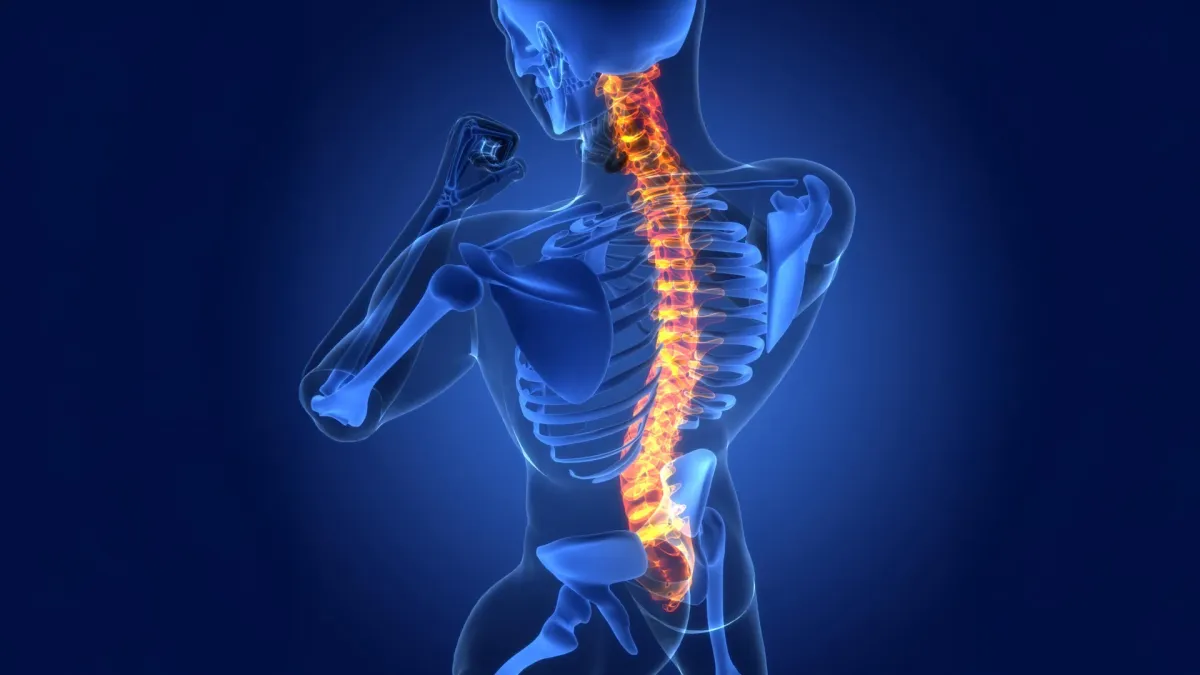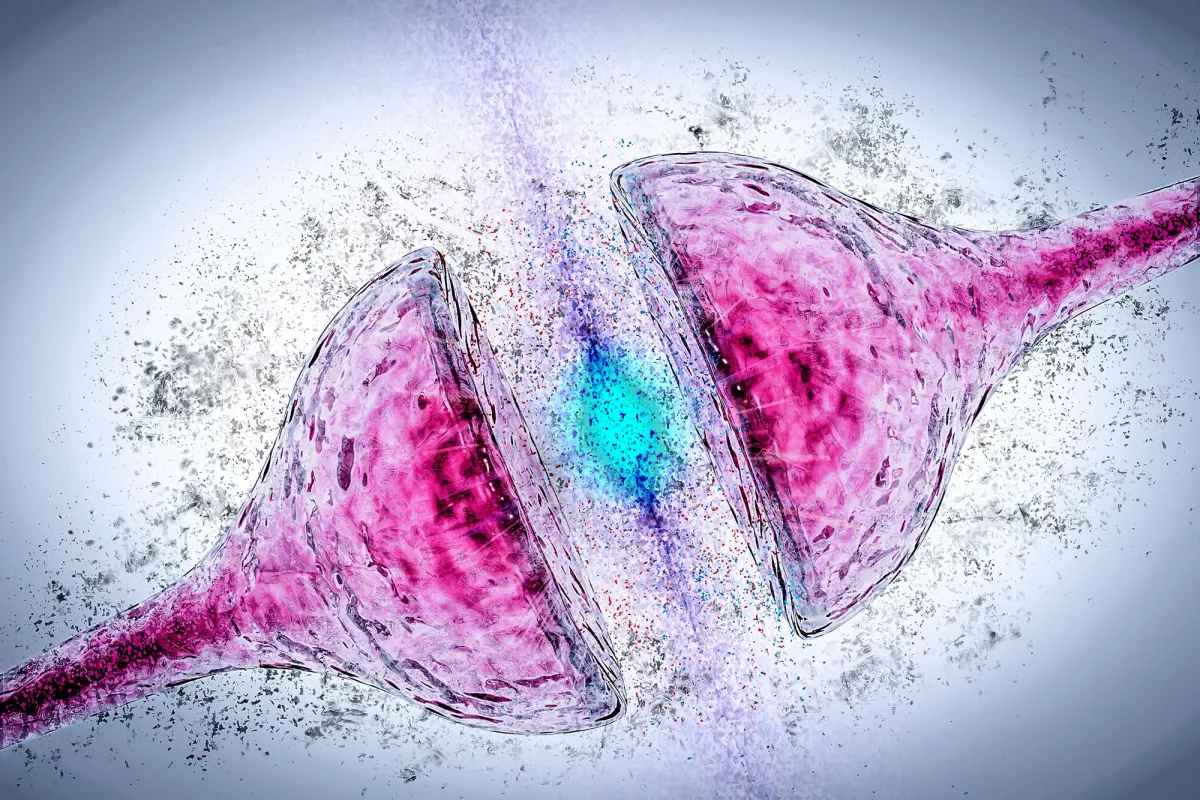
In Parkinson's disease, the brain gradually loses its ability to produce dopamine — the chemical messenger that coordinates smooth, purposeful movement. Without it, tremors set in, muscles stiffen, and the simple act of walking becomes a negotiation with your own body.
Now researchers at Keck Medicine of USC are testing whether lab-engineered stem cells can rebuild what's been lost. In an early clinical trial, they're implanting specialized cells directly into the brain, betting that these cells can take root, mature, and start producing dopamine again.

The cells they're using are called induced pluripotent stem cells, or iPSCs — a type created by taking ordinary adult cells (skin, blood) and reprogramming them back to a "blank slate" state. Unlike embryonic stem cells, which come with ethical complexities, iPSCs can be generated from a patient's own tissue, reducing rejection risk. The theory is elegant: if these cells can reliably mature into dopamine-producing neurons and take hold in the basal ganglia (the brain region controlling movement), they might restore function that Parkinson's has stolen.
We're a new kind of news feed.
Regular news is designed to drain you. We're a non-profit built to restore you. Every story we publish is scored for impact, progress, and hope.
Start Your News Detox"If the brain can once again produce normal levels of dopamine, Parkinson's disease may be slowed down and motor function restored," said neurosurgeon Brian Lee, the study's principal investigator.
The procedure itself is precise but invasive. Surgeons drill a small hole in the skull and, guided by MRI imaging, implant the stem cells directly into the basal ganglia. Patients then enter a 12- to 15-month monitoring window, with follow-up assessments extending to five years. The trial is modest in scale — 12 participants with moderate to moderate-severe Parkinson's across three U.S. sites — but that's typical for early-phase safety testing.

This isn't the first attempt at cell replacement therapy for Parkinson's. Earlier work with fetal dopamine cells showed some success decades ago, but sourcing and ethical concerns limited adoption. iPSCs sidestep those obstacles: they can be made in a lab, in quantity, from any patient. The question now is whether they'll work as reliably as the science suggests.
Neuro-movement specialist Xenos Mason, co-principal investigator, frames the bet plainly: "We believe that these iPSCs can reliably mature into dopamine-producing brain cells, and offer the best chance of jump-starting the brain's dopamine production."
The trial will tell us whether that belief holds up in human brains. If it does, the next phase would involve larger studies and, eventually, a treatment option for millions living with Parkinson's worldwide. For now, the small group of early participants is helping answer a question that could reshape what's possible for a disease that has long offered only management, not reversal.