Your body already knows how to start healing a spinal cord injury. Scientists just figured out which cells are doing it.
Researchers at Cedars-Sinai discovered that a specific type of brain cell called a lesion-remote astrocyte springs into action after spinal cord damage, triggering a cleanup process that could explain why some people experience partial recovery on their own. The finding, published in Nature, opens a path toward treatments for spinal cord injuries, stroke, and diseases like multiple sclerosis.
How the repair actually works
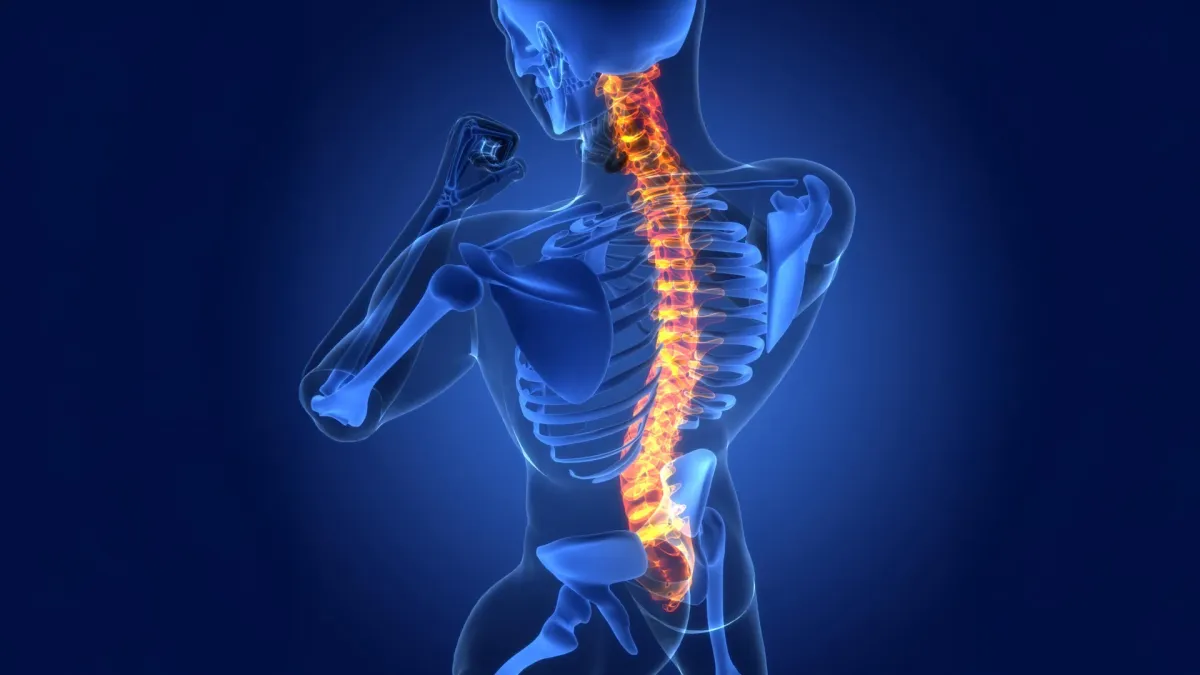
When the spinal cord tears, the damage cascades. Nerve fibers shatter into debris, inflammation spreads beyond the original injury site, and signals that control movement and sensation get cut off. For decades, scientists assumed the spinal cord couldn't do much to repair itself.
We're a new kind of news feed.
Regular news is designed to drain you. We're a non-profit built to restore you. Every story we publish is scored for impact, progress, and hope.
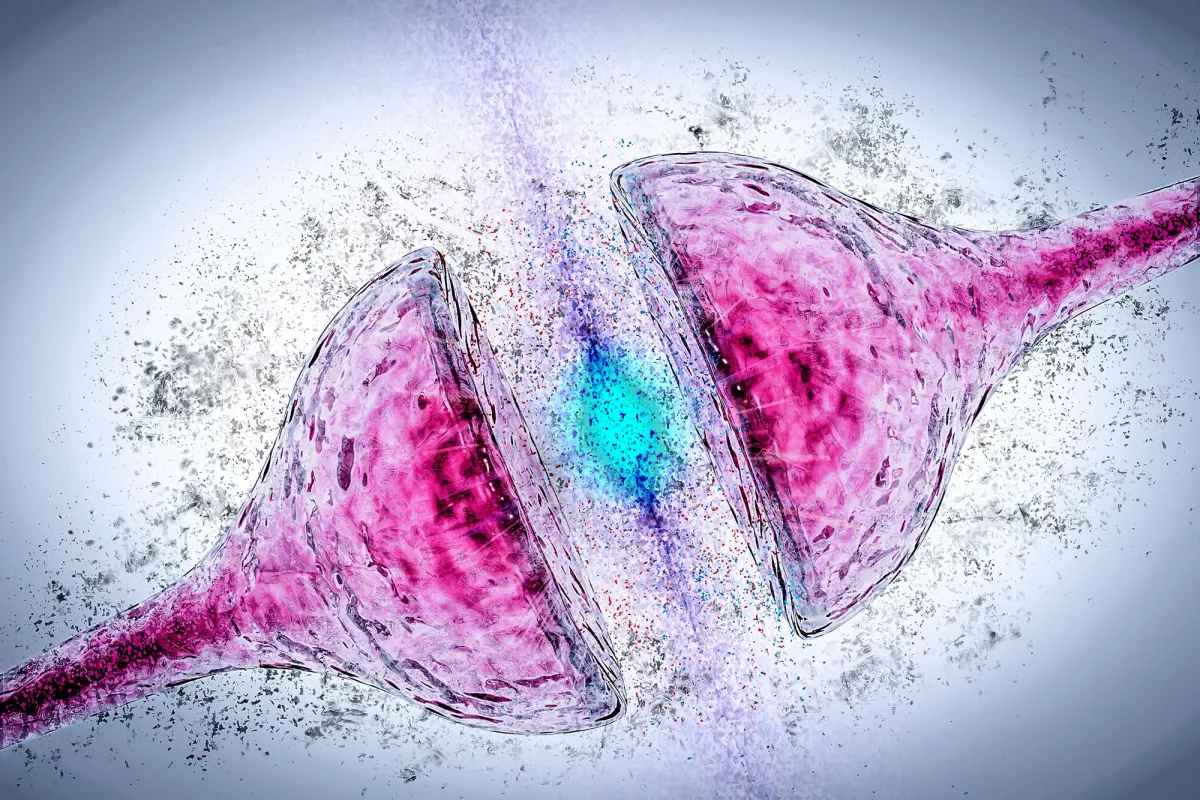
Start Your News DetoxBut in experiments with mice, the Cedars-Sinai team found that lesion-remote astrocytes—cells positioned away from the injury site—produce a protein called CCN1. This protein acts like a signal, telling immune cells called microglia to shift into high gear. Microglia are the brain's cleanup crew, and CCN1 essentially gives them better tools to digest the fatty nerve debris clogging the injury site.
The more efficiently the debris gets cleared, the less chronic inflammation builds up. Less inflammation means the spinal cord has a better chance to begin rebuilding.
The same process shows up in human disease
When researchers looked at spinal cord samples from people with multiple sclerosis—a disease where the immune system attacks nerve insulation—they found the same CCN1-driven repair response at work. This suggests the mechanism isn't unique to acute injuries. It's a fundamental healing pathway that the nervous system activates across different types of damage.
"The role of astrocytes in central nervous system healing is remarkably understudied," said David Underhill, PhD, one of the lead researchers. "This work strongly suggests that lesion-remote astrocytes offer a viable path for limiting chronic inflammation, enhancing regeneration, and promoting neurological recovery."
The team is now working to develop therapies that amplify this natural repair process—essentially turning up the volume on a healing mechanism your body already has. Early work suggests the CCN1 pathway might also help with age-related neurological decline and inflammatory diseases.
This isn't a cure yet. But it's a map of where one might start.