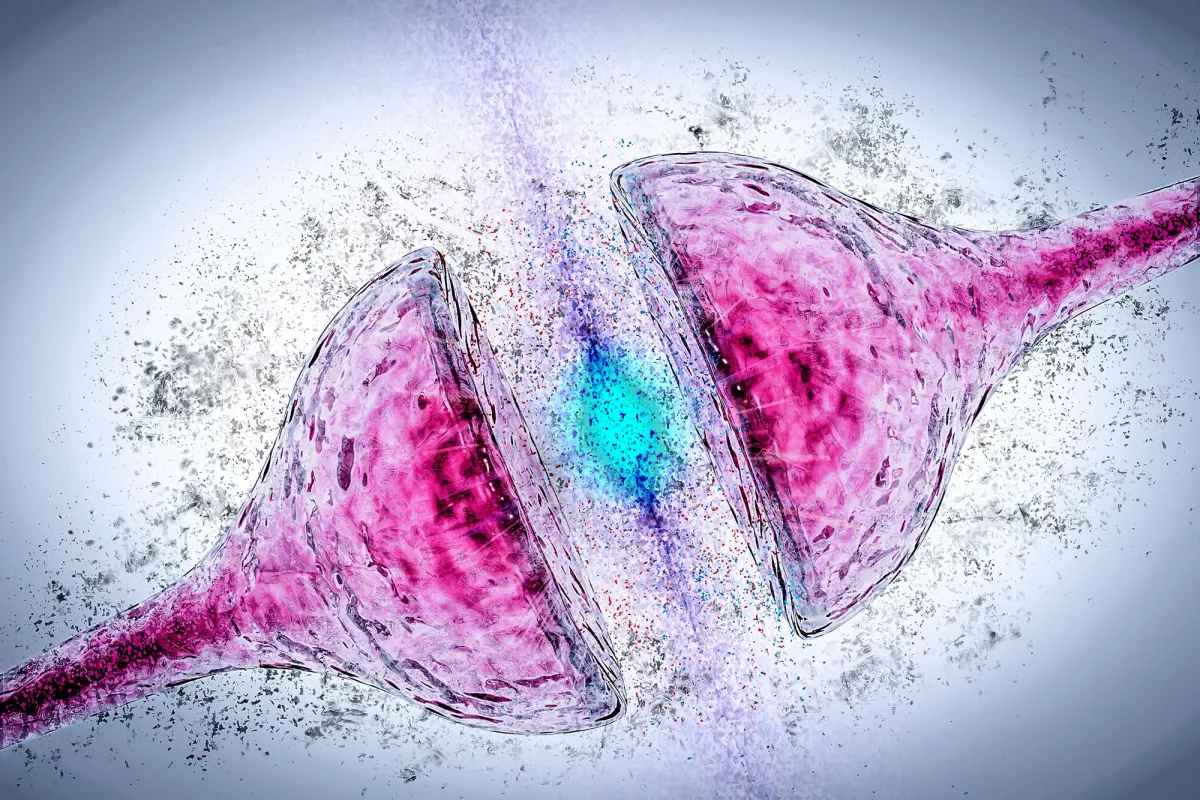
Chemotherapy damages the intestinal lining—that's long been known. What researchers recently discovered is that this damage sets off a chain reaction that actually helps the body fight back against metastasis, the spread of cancer to other organs.
When chemotherapy injures the gut wall, it changes which nutrients are available to the bacteria living there. These microbes adapt by producing more of a compound called indole-3-propionic acid (IPA), derived from the amino acid tryptophan. That might sound like an isolated gut event. It isn't.
How a Gut Signal Rewires Immunity
IPA enters the bloodstream and travels to the bone marrow, where immune cells are born. There, higher levels of IPA reshape how those cells develop. Specifically, it reduces production of immunosuppressive monocytes—the cells that normally help tumors hide from the immune system and spread to distant sites.
We're a new kind of news feed.
Regular news is designed to drain you. We're a non-profit built to restore you. Every story we publish is scored for impact, progress, and hope.
Start Your News Detox"We were surprised by how a side effect often seen as collateral damage of chemotherapy can trigger such a structured systemic response," says Ludivine Bersier, first author of the study. "By reshaping the gut microbiota, chemotherapy sets off a cascade of events that rewires immunity and makes the body less permissive to metastasis."
This shift in immune cell production strengthens the body's T cell response and changes how immune cells behave at sites where cancer commonly spreads—especially the liver. In preclinical models, the environment becomes far less hospitable to metastatic tumors.
The pattern held up in real patients too. Researchers working with Dr. Thibaud Koessler at Geneva University Hospitals tracked colorectal cancer patients undergoing chemotherapy. Those with higher blood levels of IPA after treatment also had lower monocyte counts—and that immune profile was linked to better survival outcomes.
"This work shows that the effects of chemotherapy extend far beyond the tumor itself," says Tatiana Petrova, corresponding author. "By uncovering a functional axis linking the gut, the bone marrow, and metastatic sites, we highlight systemic mechanisms that could be harnessed to durably limit metastatic progression."
The researchers suggest chemotherapy creates a kind of biological "memory" through these microbial metabolites, one that continues suppressing cancer spread long after treatment ends. The findings point to a previously unrecognized pathway—gut to bone marrow to liver—that helps explain how chemotherapy produces lasting, bodywide effects.
This opens a door to a different kind of support: using microbiome-derived molecules as strategies to limit cancer spread, potentially without the side effects of traditional chemotherapy alone.