Turns out, a fourth grader's biggest emotional support isn't always a parent or a therapist. Sometimes, it's a dog named Buddy and a bunny named Snuggles, who, along with a few other animal pals, are teaching kids how to navigate the absolute minefield of feelings. In Milwaukee, these cartoon critters are helping elementary schoolers learn resilience, one big emotion at a time.
The program, kicked off in early 2025 with a violence prevention grant (because, apparently, that's where we are now), focuses on mindfulness and self-compassion for kindergarten through third graders. The big idea? Give kids an inner voice – a kind, animal-shaped one – to face the tough stuff. Because if a fluffy bunny tells you it's okay, it probably is.
Your Feelings, But As Animals
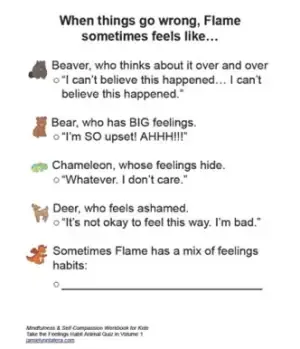
Explaining concepts like "mindfulness" to a seven-year-old sounds like a job for a very patient philosopher or perhaps a wizard. But a bear who explodes with feelings? A beaver who obsesses? A chameleon who hides? Now that's something a kid can grasp. A workbook called "Mindfulness and Self-Compassion Workbook for Kids" uses these animal archetypes, alongside real kids, to make abstract emotional states feel, well, less abstract.
We're a new kind of news feed.
Regular news is designed to drain you. We're a non-profit built to restore you. Every story we publish is scored for impact, progress, and hope.
Start Your News DetoxThis isn't just for kids with perfectly manicured lawns and two-parent households, either. At one Milwaukee school where 97% of students live in poverty and one in five have special education needs, these animal images sparked eager participation. Kids were reading quotes and openly sharing their feelings, which, if you think about it, is both impressive and slightly terrifying for anyone who's ever tried to get a seven-year-old to share anything.
The journey begins with a "Feelings Habit Animal quiz." Kids figure out if they're a Bear (explodes), a Beaver (obsesses), a Chameleon (hides), a Deer (ashamed), or Flame the dragon (a delightful mix of all the above). Acting these out in charades helps them see their own reactions from a safe distance, which can lead to better choices than, say, ripping up their homework in a fit of Bear-like rage.
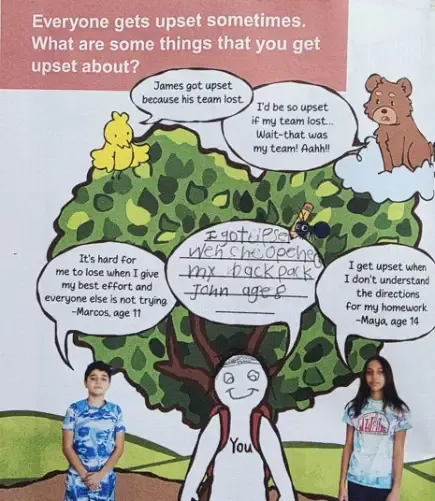
Once they've identified their inner animal, it's time to learn how to respond. Enter the "Resilience Habit Animals": Spots the giraffe (notices feelings), Buddy the dog (reminds them they're not alone), and Snuggles the bunny (embodies kindness). It turns out kids are more willing to try the "Spots habit" than "practice self-compassion." Go figure. Some even imagine the animals' voices in their heads when things get rough. Which, honestly, sounds like a pretty good coping mechanism for adults too.
Stories, Songs, and Dragon Tears
To make these habits stick, they've got stories, videos, songs, and even role-play kits. Imagine a kindergartner comforting a teacher pretending to be an upset Flame the dragon, saying, "Ms. B., it's OK to feel like this. Everyone gets upset sometimes." That's empathy, folks, delivered with a side of adorable.
In another instance, a child having a "Bear feelings" moment ripped her paper. But instead of a full meltdown, she recognized her "Bear habit," picked up the paper, and they taped it back together. That's not just a win for the paper; it's a win for emotional regulation. Even neurodivergent children, including those with autism, have shown high engagement with these animal characters, finding a playful way into social-emotional learning.
Ultimately, these aren't just cute characters; they're becoming an internalized, compassionate inner voice. And like the beloved residents of Sesame Street or Mister Rogers' Neighborhood, they might just stick around for life. Because sometimes, all you need is a dog and a bunny to remind you that you're not alone, and it's going to be okay.