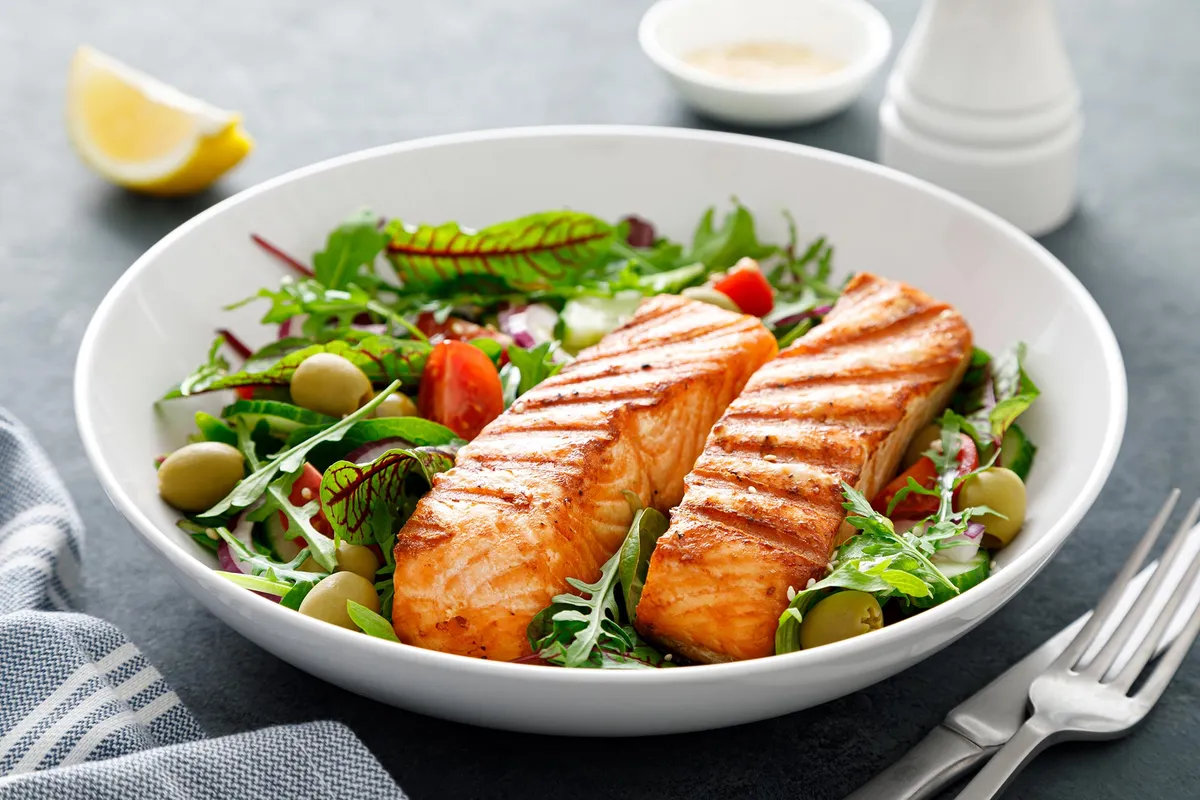
Over 21 years, researchers tracked 105,614 women and found something quietly powerful: those who ate closest to a Mediterranean diet—heavy on vegetables, fish, olive oil, light on red meat—had significantly fewer strokes. The difference wasn't marginal. Women scoring highest on Mediterranean diet adherence were 18% less likely to have any stroke at all, with their risk of hemorrhagic stroke dropping by 25%.
The study, published in Neurology, followed women with an average age of 53 who had no history of stroke at the start. Researchers scored each participant zero to nine based on how closely their eating matched Mediterranean principles: more whole grains, fruits, vegetables, legumes, olive oil, and fish; less red meat and dairy. About 30% of women landed in the highest adherence group (scoring 6–9), while 13% scored in the lowest range.
Over two decades, 4,083 strokes occurred across the group. Among the highest-scoring women, there were 1,058 ischemic strokes (the most common type, caused by blocked blood flow) and 211 hemorrhagic strokes (bleeding in the brain). In the lowest-scoring group, those numbers dropped to 395 and 91 respectively—a striking gap that held even after researchers accounted for smoking, physical activity, and high blood pressure.
We're a new kind of news feed.
Regular news is designed to drain you. We're a non-profit built to restore you. Every story we publish is scored for impact, progress, and hope.
Start Your News DetoxWhy This Matters for Stroke Prevention
Stroke remains a leading cause of death and disability. What makes this finding notable is that it applies across both major stroke types. Most large studies have focused on ischemic stroke; fewer have examined hemorrhagic stroke. "We were especially interested to see that this finding applies to hemorrhagic stroke," said study author Sophia S. Wang, PhD, of City of Hope Comprehensive Cancer Center.
The mechanism isn't fully understood yet—diet likely works through multiple pathways, from reducing inflammation to improving blood vessel health to managing blood pressure. That's where the next phase of research comes in. "Further studies are needed to confirm these findings and to help us understand the mechanisms behind them," Wang said.
One practical note: this wasn't about perfection. Participants earned points for eating more than the population average of healthy foods and less of less healthy ones. The diet also allowed moderate alcohol consumption. It's incremental, sustainable change, not an all-or-nothing overhaul.
The study does have a limitation worth noting—participants self-reported their diets, so some details may have been forgotten or misremembered over the years. But the consistency of the findings across a large population and long timeframe suggests the core link between diet quality and stroke risk is real.
Stroke prevention through diet isn't new science, but this research adds weight to an increasingly clear picture: what you eat shapes your risk in ways that matter over decades.