On a narrow strip of land beside the main road through Eleuthera, 12 hectares of subtropical dry forest have become one of the Caribbean's most important plant rescue operations. The Leon Levy Native Plant Preserve started as abandoned farmland and a defunct hotel. Two decades of restoration later, it's now a working laboratory for bringing back species found nowhere else on Earth.
Walk the preserve's paths and you'll see what successful rewilding looks like. Black witch moths as large as bats weave between branches. Native Jamaican slider turtles bask in artificial wetlands. Termite mounds cluster around tree trunks. Orchard spiders hang their webs between mangrove roots. The forest hums with life that had nearly vanished.
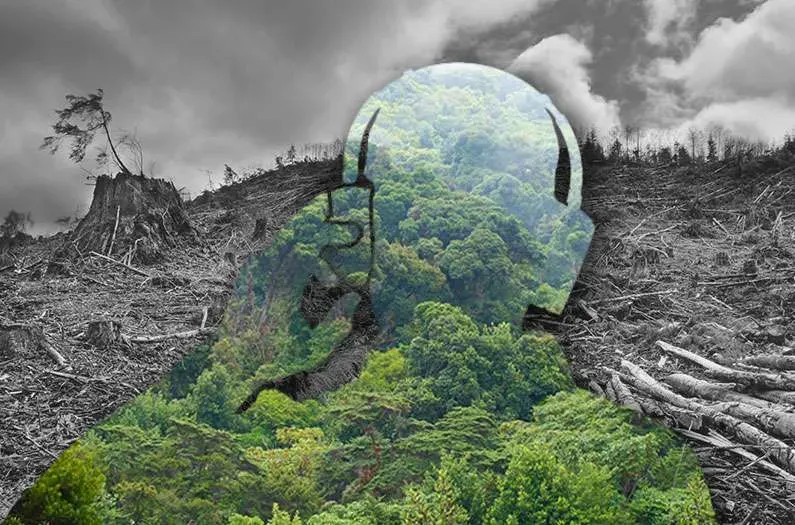
The Bahamas' subtropical dry forests were never meant to survive what happened to them. These ecosystems thrive on nutrient-poor soils and limestone bedrock—already demanding conditions. Then came agriculture, development, invasive species, and the creeping pressure of climate change. Across the archipelago, native habitat simply disappeared. What remained were fragments, isolated pockets of the forest that once covered these islands.
We're a new kind of news feed.
Regular news is designed to drain you. We're a non-profit built to restore you. Every story we publish is scored for impact, progress, and hope.
Start Your News DetoxThe preserve, managed through a partnership between the Bahamas National Trust and the Leon Levy Foundation, took on the work of restoration with unusual focus. Ethan Freid, the preserve's curator, describes the mission plainly: "We're trying to bring back the native forest. A lot of the land was cleared for agriculture and development, so we're replanting native trees and shrubs."
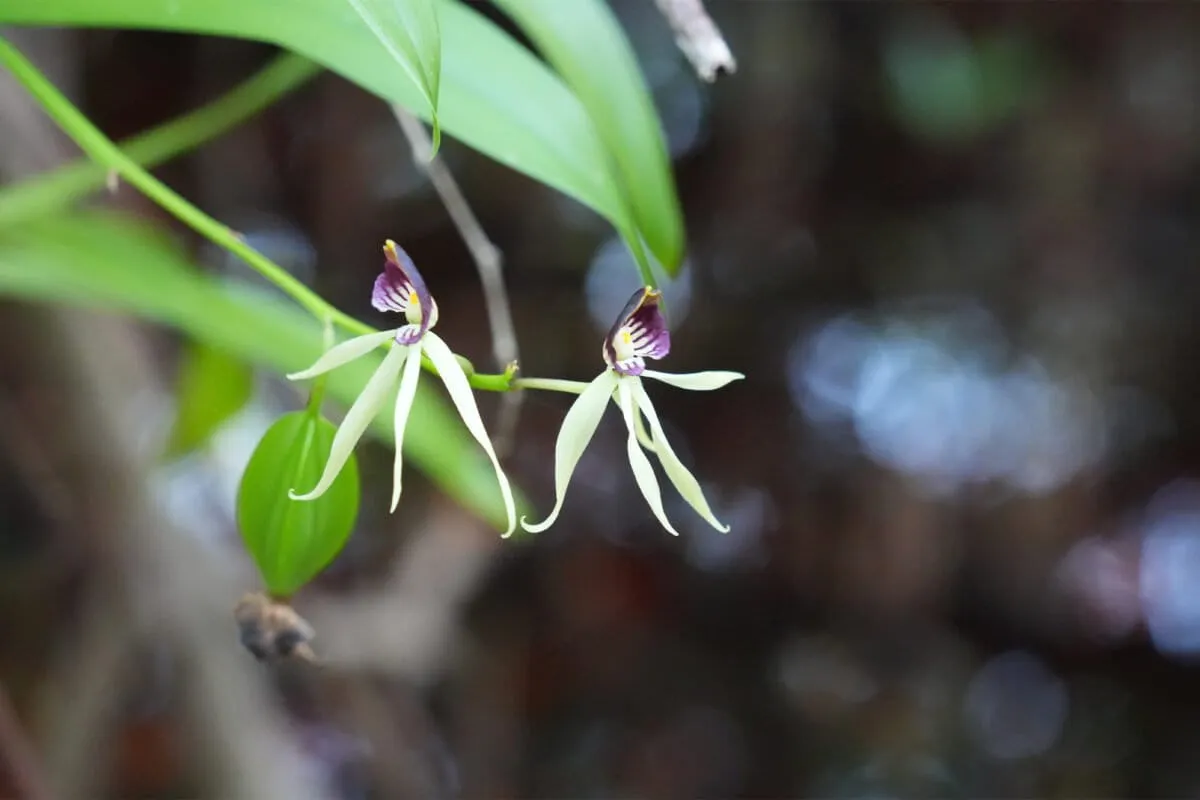
The team has catalogued over 700 native plant species on the preserve—many found nowhere else in the world. In the preserve's nursery, rare plants are propagated and then reintroduced to the wild. This isn't theoretical conservation. Seeds become saplings. Saplings become forest. The work is measurable, repeatable, and it's already showing what's possible.
What makes the Leon Levy Preserve significant isn't just its 30 acres. It's that it's begun functioning as a knowledge hub for the entire Caribbean region. Other islands are watching, learning the techniques, adapting them to their own ecosystems. Freid sees the preserve's role clearly: "We're a small preserve, but we're doing big things for native plant conservation in the region. Our goal is to be a model that can be replicated across the islands."
The work continues. As climate patterns shift and development pressures mount, the preserve's role becomes more urgent. But it also becomes more visible—proof that native ecosystems can be restored, that rare species can be brought back from the brink, and that a small piece of land can anchor conservation efforts across an entire region.