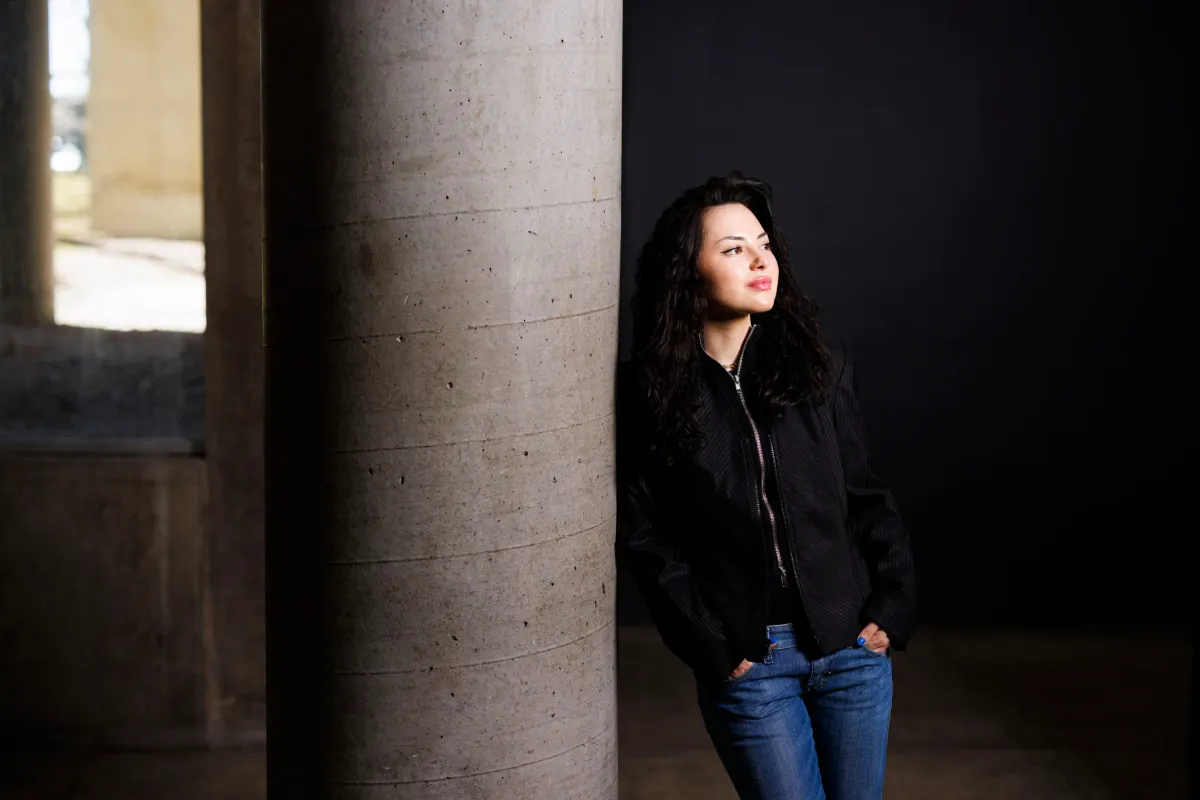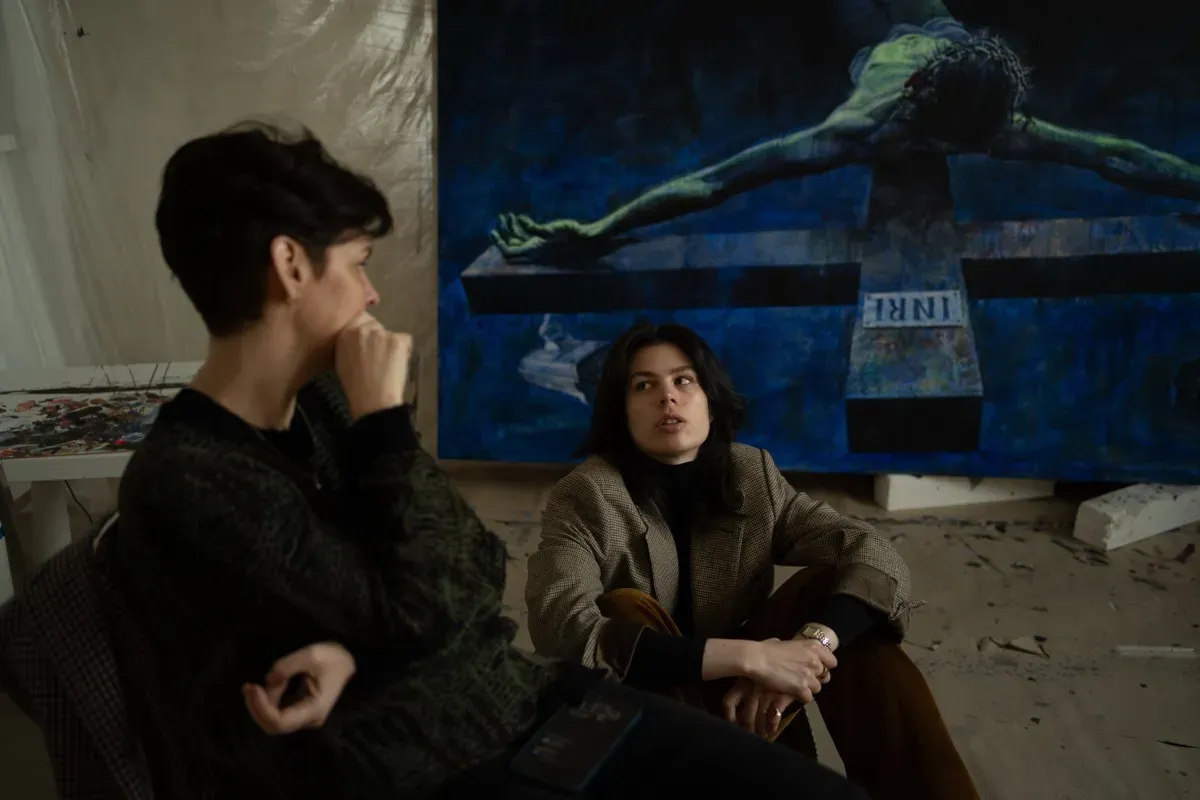
Imagine showing up to the Olympics of the art world, not with your country's official team, but as a group of rebels who were literally exiled. That's the Belarus Free Theatre, a collective of artists who just landed in Venice with an exhibition called "Official. Unofficial. Belarus." And it's a direct, elegant middle finger to the dictatorship that kicked them out.
Since 2020, these artists have been living in exile, a direct consequence of protesting President Alexander Lukashenko, who's been running Belarus since 1994 like it's his personal, iron-fisted playground. Their show in Venice isn't just art; it's a statement, a challenge to state-backed narratives, and a masterclass in how culture finds a way, even when it's forced underground.
Art That Punches Back
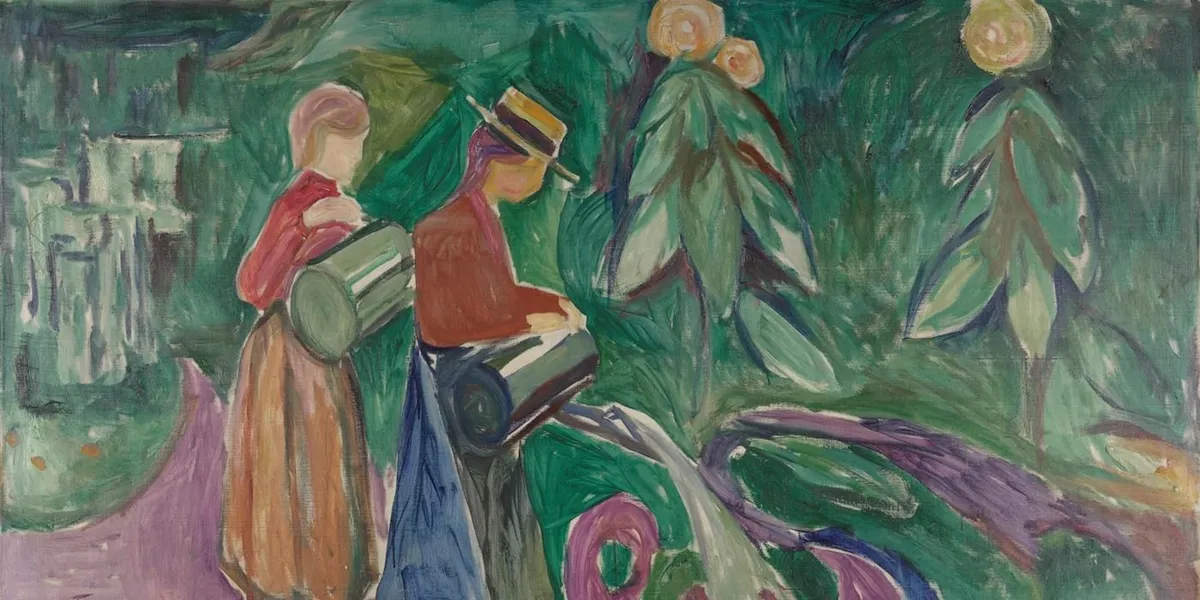
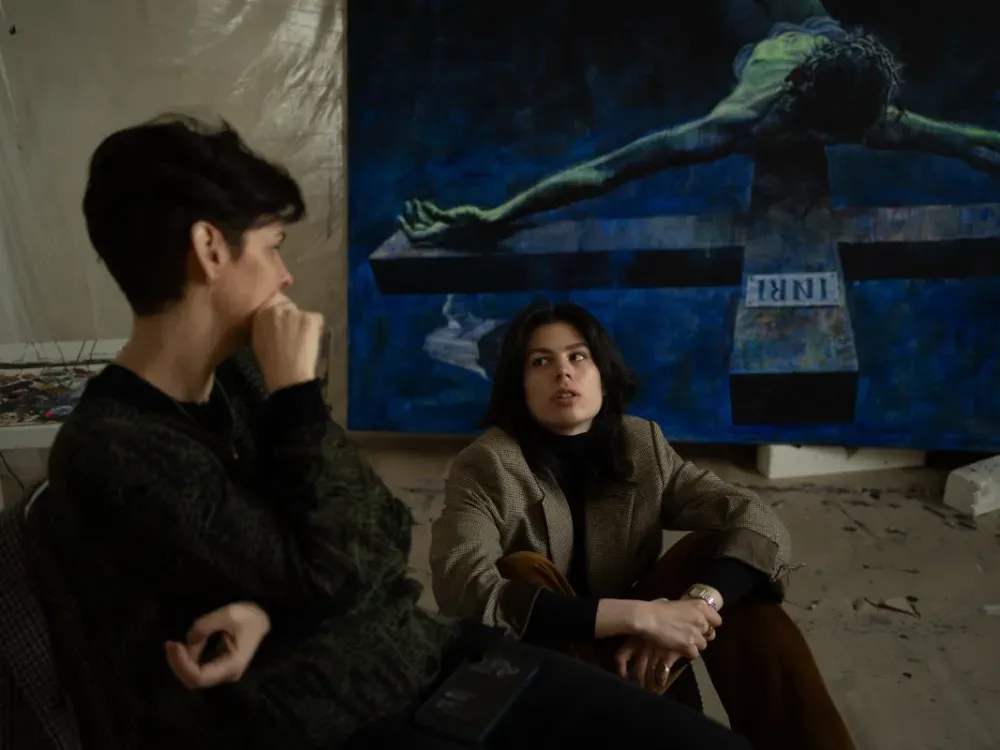
This isn't just Belarus's fifth time at the prestigious Biennale; it's the first time it's not represented by the state. Instead, it's a self-governing cultural force, taking over the magnificent, thousand-year-old La Chiesa di San Giovanni Evangelista di Venezia. Inside, you'll find paintings, haunting sound installations, and sculptures designed to make you feel repression, not just read about it.
We're a new kind of news feed.
Regular news is designed to drain you. We're a non-profit built to restore you. Every story we publish is scored for impact, progress, and hope.
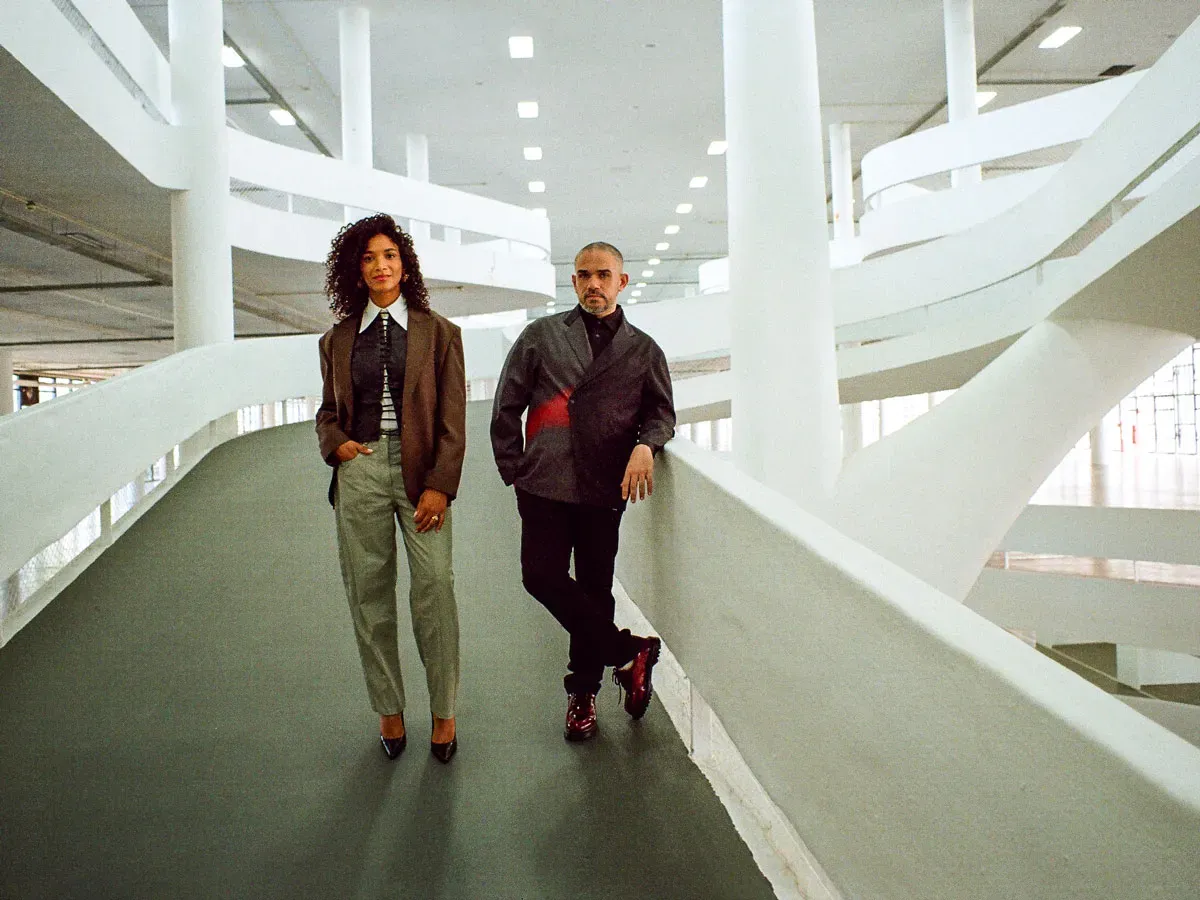
Start Your News DetoxCofounder Natalia Kaliada explains they want visitors to experience the architecture, the feelings, the sounds, the very scents of a repressive regime. It’s an immersive, multi-sensory journey into what it’s like to live under constant threat. Because, as Daniella Kaliada, the company's art projects curator, points out, the Biennale is the “Olympics” of the art world. And for a culture often sidelined, this kind of visibility is a powerful, undeniable declaration.
Natalia Kaliada puts it plainly: Venice is where nationhood, visibility, and power are openly debated. It's the perfect stage for showcasing how culture not only survives but thrives outside official, oppressive structures. This group was chosen as a collateral event out of 400 applications, which, if you think about it, is both impressive and a testament to the urgent need for these unofficial stories.
The Body Knows
Exile, Natalia Kaliada says, strips away illusions. It clarifies what truly needs protection. Repression isn't just visual; it seeps into how you move, listen, think, breathe, and anticipate danger. That's why they moved from traditional theater to contemporary art — the body, she argues, can understand things language alone can't fully express.
Daniella Kaliada, channeling Michel Foucault's Discipline and Punish, notes they're not trying to represent a country, but rather to create a specific state of body and soul. Foucault, for the uninitiated, basically said punishment should mess with both. It's an academic mic drop, if ever there was one.
Belarus, often labeled Europe's "last dictatorship," is, in their view, a prototype. An early model of a condition now going global. Natalia Kaliada has warned for ages that dictatorship is contagious, and well, here we are. Surveillance disguised as convenience, blurred truths, internalized fear, manipulated language — these patterns are no longer distant nightmares but uncomfortably close to home for more and more people.
So, while Russia makes its return to the Biennale, and Belarus will likely have an "official" pavilion again someday, this exhibition serves as a vital reminder. The independent voices will always find a way to exist. And sometimes, the most powerful statement isn't a government-sanctioned display, but a group of exiled artists making silenced voices thunderously loud, officially declaring that the unofficial culture of Belarus is alive, well, and demanding its place back in the European family.