For a century, paintings by Edvard Munch hung in the cafeteria of the Freia chocolate factory in Oslo. These artworks, created to be enjoyed by workers during their lunch breaks, are now going on public display for the first time.
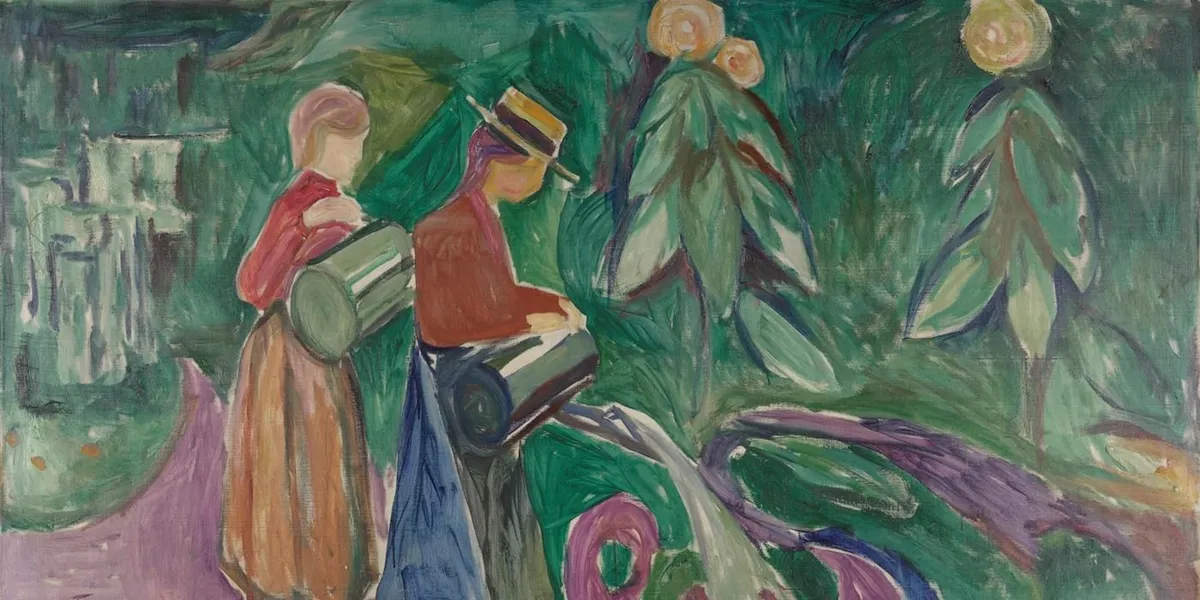
The factory cafeteria is undergoing renovations. This change created a chance for these lesser-known Munch paintings to be shown in a museum. The large paintings, known as the Freia Frieze, will be featured in a new exhibition at the Munch Museum. The show is called "Edvard Munch and the Chocolate Factory."
Art, Industry, and Daily Life
Ana María Bresciani, the exhibition's curator, noted that the Frieze and the factory's history offer a unique look at art, industry, and gender in Norway between the World Wars. She explained that Munch explored new, movable art forms. The Freia commission shows how he pushed the limits between public and private art.
We're a new kind of news feed.
Regular news is designed to drain you. We're a non-profit built to restore you. Every story we publish is scored for impact, progress, and hope.
Start Your News DetoxAround 1922, about 30 years after painting The Scream, Munch received a special request. Norwegian industrialist Johan Throne Holst asked him to create artworks for the women's cafeteria at his Freia chocolate factory. This was one of only a few public art projects Munch took on. The commission fit with Munch's interest in work life, women, children, and rest.
Munch worked for two months, using quick, thin brushstrokes. He painted scenes of young boys fishing, couples in the woods, and girls harvesting fruit and watering flowers.
These paintings show a respect for life's joys outside of work. This balance was important to Holst, who was seen as a progressive businessman. He maintained the factory's gardens, helped pay for workers' food, had a doctor on site, and focused on hygiene. Two-thirds of the factory's workers were women.
Art critic Jappe Nilsen praised the project when the paintings were first shown. He wrote that Freia led the way by deciding that only the best was good enough for its workers. They hired Norway's greatest painter to decorate their canteen.
Traces of a Century
The paintings still show signs of the workers' lives. Curator Bresciani noted that there is nicotine and possibly cocoa powder on the artworks. She explained that when a work made for public life moves into a museum, its original context must be remembered. The fact that these paintings lived among workers for 100 years cannot be ignored.
In the 1930s, the artworks were moved to a larger cafeteria for all genders. This was done during a formal ceremony with an orchestra.
The Freia factory has also influenced history and pop culture. It might have inspired Roald Dahl's 1964 novel Charlie and the Chocolate Factory. Antarctic explorer Roald Amundsen even ate Freia chocolate during his trips.
Chocolate bar wrappers have sometimes featured Munch's Freia paintings. Now, visitors can see them up close at the Munch Museum. The exhibition will include the Frieze paintings, along with preparatory sketches and related works. It will run from late May through mid-October.
The museum's website states that a rich selection of documents and archives will offer a unique look into Munch's era, the factory's conditions, and a changing society.
Deep Dive & References
Edvard Munch and the Chocolate Factory - Munch Museum