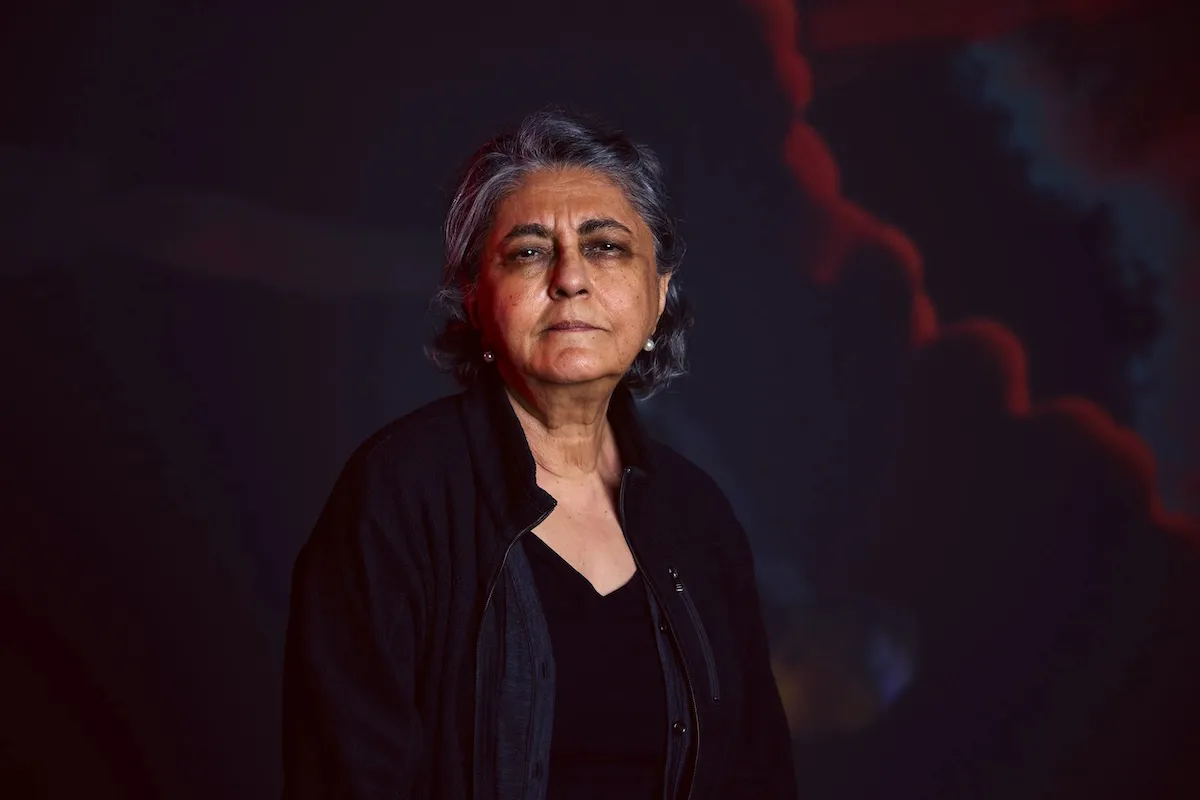
Imagine ancient cave paintings, but instead of bison and stick figures, they're animated, flickering stories projected onto the rough brick of a 15th-century salt warehouse in Venice. That's the wild canvas for Nalini Malani's new installation, Of Woman Born.
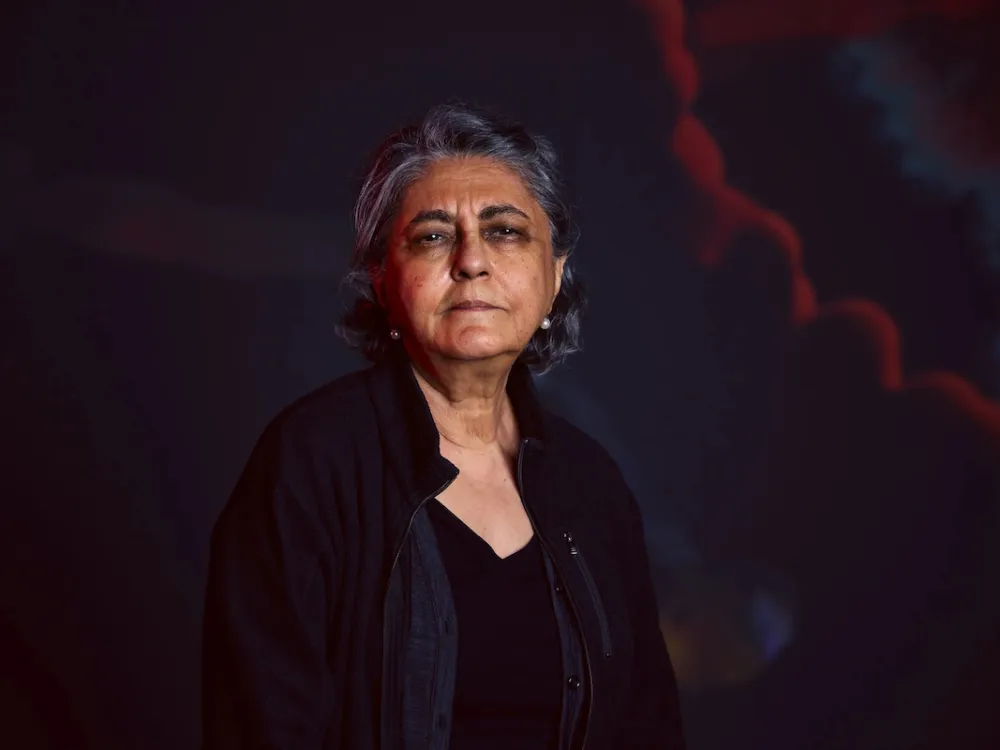
Malani, 80, has taken tens of thousands of hand-drawn images and turned them into a layered, moving experience that weaves together mythology, literature, and sound. It's less a passive viewing and more a journey through a living, breathing history lesson.
Walls with Something to Say
The setting for all this magic is the Magazzini del Sale, a former salt warehouse whose uneven surfaces become part of the art itself. Malani specifically chose the space because, as she puts it, its history is already embedded in the architecture. Her goal? To make those old walls "speak" through her projections. Which, if you think about it, is both impressive and slightly terrifying.
We're a new kind of news feed.
Regular news is designed to drain you. We're a non-profit built to restore you. Every story we publish is scored for impact, progress, and hope.
Start Your News DetoxNine animation channels stretch across three walls, turning the long, deep space into something akin to a physical book. You walk through it, discovering new images and narratives with each step, like turning a page. And to make sure you find your way, Malani's signature "Skipping Girl" figure is plastered on posters and signs all over Venice, guiding you to the exhibition with QR codes that link to even more animations.
Ancient Myths, Modern Echoes
The heart of Of Woman Born dives into the ancient Greek myth of Orestes, a tale where a son kills his mother and is, somehow, found innocent. The legal reasoning? A mother isn't essential to parenthood. Malani sees this as one of the earliest, most blatant examples of how women have been systematically undervalued. Because apparently, that's where we started.
For Malani, myths only really matter if they connect to the now. She points out that women's lives are still often dismissed, violence against them persists, and their voices are frequently ignored. Her work is a direct line from that ancient narrative to our very current problems. She's been using mythology in her art for decades, this project born from a "feeling of anger" about the decisions that box people in.
Malani's process starts with drawing, her "keyboard" as she calls it. Then, she animates those drawings using a simple iPad app, often her fingers doing the work, giving it a direct, almost childlike feel. The soundscape, composed by Malani herself, layers her own voice, a singer's voice, and fragments from literary giants like T. S. Eliot and Hannah Arendt. It's a continuous, immersive 30-minute loop.
The "Skipping Girl" — a simple line drawing of a girl skipping rope — pops up throughout Malani's work, a recurring symbol of life, energy, and hope. Malani herself, with a career spanning six decades, has always centered her art around themes of displacement and the human condition, deeply influenced by her family's experience during the Partition of India.
She believes an artist's job isn't to hand out answers, but to ask the right questions. The real issues, she argues, aren't technology or progress, but "human decisions, politics, war, and borders." Which, when you look at those ancient walls speaking a new language, feels pretty spot on.